



Impianti fotovoltaici da balcone: Sfruttare oltre 800 watt di energia solare
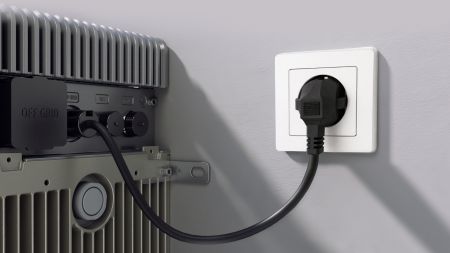
Gli impianti fotovoltaici da balcone consentono di utilizzare energia solare fino a 800 watt. Nuove perizie legali chiariscono l'uso di oltre 2000 watt.
Con la crescente diffusione dei sistemi di energia solare da balcone, noti anche come dispositivi solari plug-in, la questione della potenza massima di questi sistemi è diventata centrale. Attualmente, questi dispositivi possono generare fino a 800 watt di energia solare, il che è sufficiente per molte famiglie per coprire il fabbisogno di base e le spese quotidiane. Tuttavia, ci sono anche modi per aumentare la potenza di questi sistemi e utilizzare oltre 2000 watt di energia solare.
Normativa e possibilità di utilizzo
Le condizioni legali per l'uso dei sistemi di energia solare da balcone sono diventate sempre più chiare negli ultimi anni. Un recente parere legale ha esaminato l'uso di oltre 800 watt di energia solare e ha stabilito che, a determinate condizioni, è possibile utilizzare legalmente potenze superiori. Questo apre nuove prospettive per i consumatori che desiderano ridurre i propri costi energetici e contribuire alla transizione energetica.
L'uso dei sistemi di energia solare da balcone è particolarmente attraente per gli inquilini e i proprietari di appartamenti che non dispongono di ampie superfici di tetto per impianti fotovoltaici. Installando un dispositivo solare plug-in sul balcone o sulla terrazza, possono comunque beneficiare dell'energia solare. Le condizioni legali consentono di collegare questi dispositivi senza complicazioni, purché non venga superata la potenza massima di 800 watt.
Possibilità tecniche e sfide
La realizzazione tecnica dei sistemi di energia solare da balcone si è notevolmente evoluta negli ultimi anni. I dispositivi moderni non solo sono più efficienti, ma anche più facili da installare. Molti modelli sono dotati di inverter integrati che trasformano la corrente continua prodotta in corrente alternata, in modo che possa essere utilizzata direttamente in casa. Questo consente un'integrazione semplice nella rete elettrica esistente.
Tuttavia, ci sono sfide da considerare nell'uso dei sistemi di energia solare da balcone. Una delle maggiori difficoltà è il rispetto delle normative legali. I consumatori devono assicurarsi che i loro dispositivi siano conformi agli standard vigenti e siano installati correttamente. Inoltre, è importante tenere d'occhio la potenza massima per evitare conseguenze legali.
Un altro aspetto è l'immissione di energia elettrica in eccesso nella rete pubblica. In molti paesi ci sono normative che consentono di immettere nella rete l'energia solare non utilizzata e di ricevere un compenso per questo. Ciò può aumentare notevolmente la redditività dei sistemi di energia solare da balcone e creare incentivi per l'installazione di tali sistemi.
La domanda di sistemi di energia solare da balcone è aumentata notevolmente negli ultimi anni. Sempre più consumatori sono interessati alla possibilità di generare la propria energia e diventare indipendenti dall'aumento dei prezzi dell'energia. La combinazione di progresso tecnologico e chiarezza normativa ha portato sempre più persone a investire nell'uso dell'energia solare.
Lo sviluppo dei sistemi di energia solare da balcone continuerà a svolgere un ruolo importante in futuro. Alla luce degli sforzi globali per una fornitura energetica sostenibile, ci si aspetta che la tecnologia venga ulteriormente migliorata e che nuove soluzioni arrivino sul mercato. I consumatori possono aspettarsi prodotti innovativi che non solo siano più efficienti, ma anche più facili da usare.
Studi recenti mostrano che l'uso dei sistemi di energia solare da balcone non è solo ecologicamente sensato, ma porta anche vantaggi economici. Le famiglie in grado di generare la propria energia possono ridurre notevolmente i propri costi energetici e contribuire alla riduzione delle emissioni di CO2. Le condizioni legali e le possibilità tecniche offrono una solida base per la diffusione di questa tecnologia.
Ähnliche Artikel

Nuovi connettori in fibra ottica per data center
Connettori innovativi che consentono una maggiore densità nei data center e aumentano l'efficienza....
Samsung presenta il sensore della fotocamera da 200 MP per Galaxy S27
Samsung ha presentato un nuovo sensore della fotocamera da 200 MP, ottimizzato per il Galaxy S27 Ultra e dotato di numer...
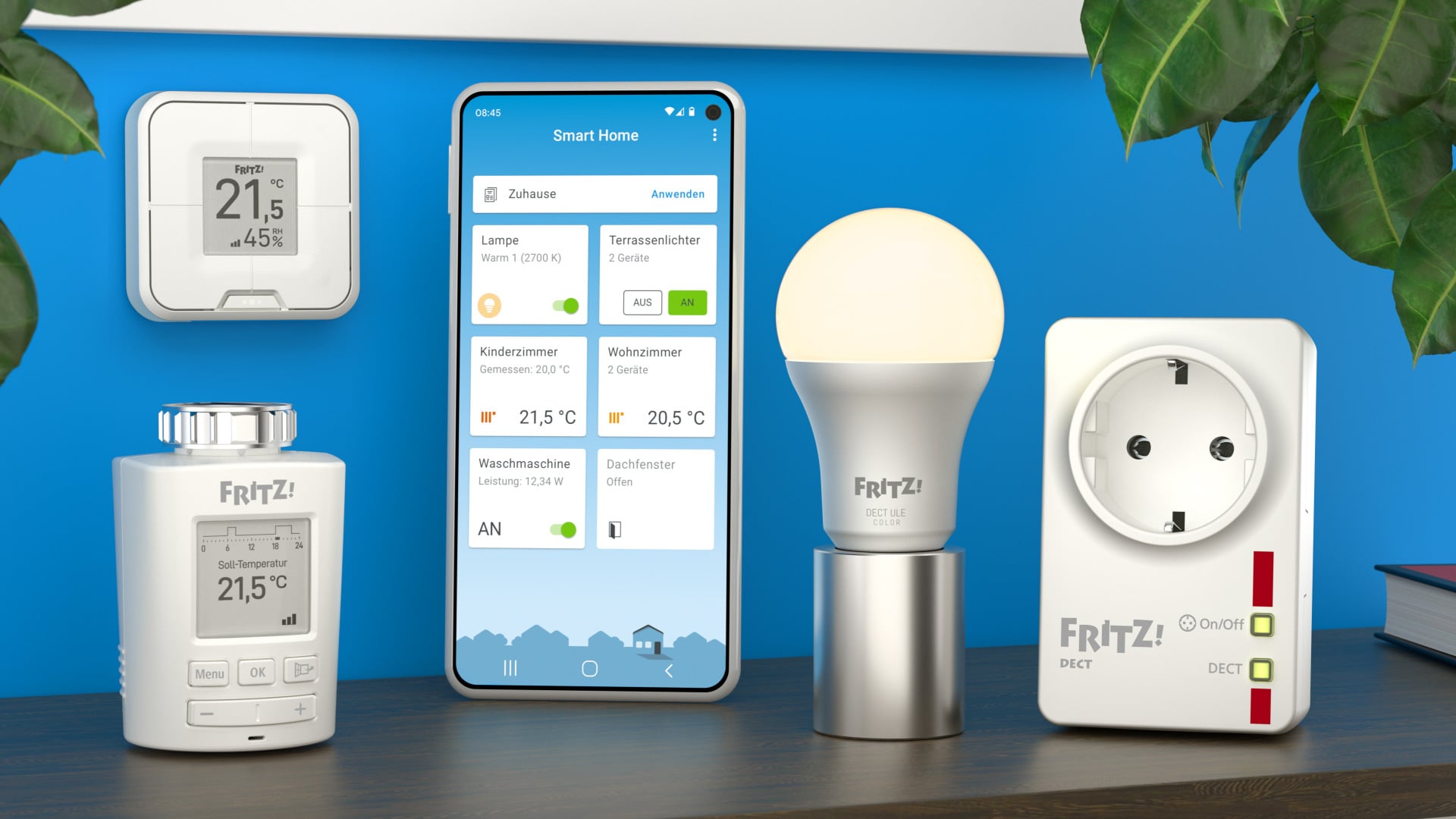
Indagine sugli elettrodomestici intelligenti in Germania
Un'indagine recente mostra che i consumatori tedeschi sono cauti riguardo agli elettrodomestici intelligenti. Solo un te...
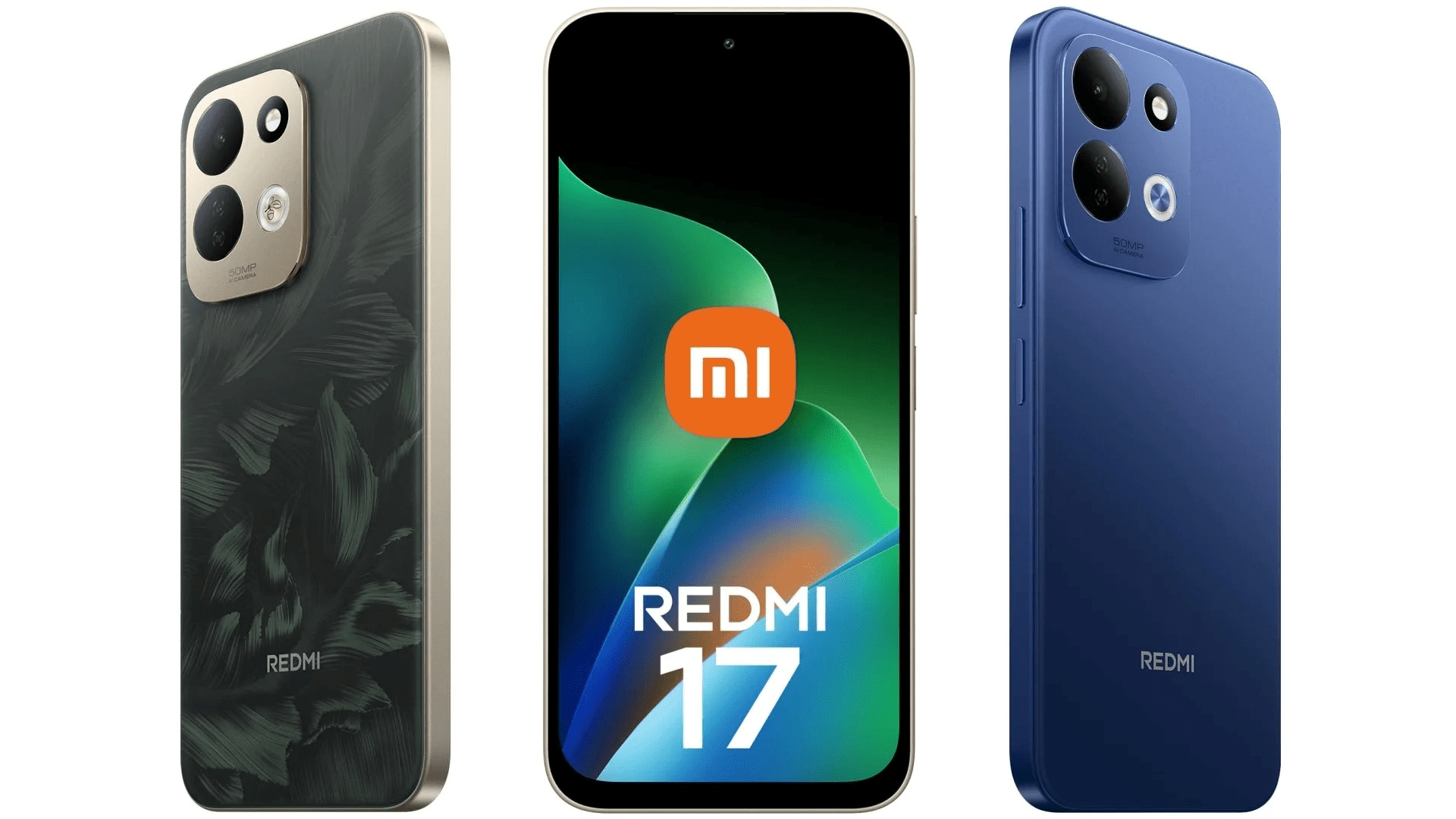
Xiaomi Redmi 17: Aumento dei prezzi negli smartphone di fascia bassa
Xiaomi annuncia il Redmi 17, il cui prezzo supera i 200 euro. Una tendenza che influisce sui prezzi degli smartphone nel...

comment Kommentare (0)
Noch keine Kommentare. Schreiben Sie den ersten!
Kommentar hinterlassen