
IBM präsentiert 0,7-Nanometer-Chip auf VLSI-Symposium

IBM hat einen bahnbrechenden 0,7-Nanometer-Chip vorgestellt, der fast 100 Milliarden Transistoren integrieren kann. Die Serienreife wird in fünf Jahren erwartet.
IBM hat auf dem VLSI-Symposium 2026 einen innovativen Forschungschip mit einem Fertigungsverfahren von unter einem Nanometer vorgestellt. Dieser Chip ist ein bedeutender Fortschritt in der Halbleitertechnologie und könnte die Leistungsfähigkeit von Computern und anderen elektronischen Geräten revolutionieren. Mit der Fähigkeit, fast 100 Milliarden Transistoren zu integrieren, verdoppelt dieser Chip die Transistoranzahl im Vergleich zum 2-nm-Design von IBM aus dem Jahr 2021.
Technologische Fortschritte und Herausforderungen
Die Entwicklung des 0,7-Nanometer-Chips stellt eine enorme technische Herausforderung dar, da die Miniaturisierung von Transistoren an physikalische Grenzen stößt. IBM hat jedoch durch innovative Fertigungstechniken und Materialien Fortschritte erzielt, die es ermöglichen, die Transistoren noch weiter zu verkleinern. Diese Fortschritte könnten nicht nur die Rechenleistung erhöhen, sondern auch den Energieverbrauch senken, was für die Nachhaltigkeit der Technologie von entscheidender Bedeutung ist.
Die Integration von fast 100 Milliarden Transistoren auf einem einzigen Chip eröffnet neue Möglichkeiten für die Entwicklung leistungsstarker Anwendungen in Bereichen wie Künstliche Intelligenz, maschinelles Lernen und Datenverarbeitung. IBM plant, die Technologie weiter zu erforschen und zu optimieren, um die Effizienz und Leistung zukünftiger Chips zu steigern.
Ausblick auf die Serienreife
IBM rechnet mit einer Serienreife des 0,7-Nanometer-Chips in etwa fünf Jahren. Dies bedeutet, dass die Technologie in der zweiten Hälfte der 2020er Jahre möglicherweise in kommerziellen Produkten eingesetzt werden kann. Die Entwicklung solcher Chips könnte die gesamte Halbleiterindustrie beeinflussen und neue Standards für die Leistung von Mikroprozessoren setzen.
Die Vorstellung des Chips auf dem VLSI-Symposium 2026 hat bereits großes Interesse in der Technologie-Community geweckt. Experten und Analysten verfolgen die Fortschritte von IBM genau, da die Einführung dieser Technologie weitreichende Auswirkungen auf die gesamte Branche haben könnte. Die Möglichkeit, Chips mit einer derart hohen Transistoranzahl zu produzieren, könnte auch den Wettbewerb zwischen den führenden Halbleiterherstellern anheizen.
IBM hat sich in den letzten Jahren als Vorreiter in der Entwicklung von fortschrittlichen Halbleitertechnologien etabliert. Mit dem 0,7-Nanometer-Chip setzt das Unternehmen einen neuen Maßstab für die Miniaturisierung und Leistungsfähigkeit von Chips. Die kommenden Jahre werden entscheidend sein, um zu sehen, wie sich diese Technologie weiterentwickelt und welche Anwendungen daraus hervorgehen.
Die Präsentation des Chips ist Teil von IBMs langfristiger Strategie, die Grenzen der Halbleitertechnologie zu erweitern. Das Unternehmen investiert kontinuierlich in Forschung und Entwicklung, um innovative Lösungen zu finden, die den Anforderungen der digitalen Welt gerecht werden. Die Fortschritte im Bereich der Chip-Technologie sind entscheidend für die Zukunft von Computern, Smartphones und anderen elektronischen Geräten.
Ähnliche Artikel

Digitales Portemonnaie "d-you" startet 2027
Digitalminister Karsten Wildberger kündigt das digitale Portemonnaie "d-you" an, das ab Januar 2027 verfügbar sein wird....

Hypertune: Neue Software für Gaming-PCs
Hypertune bietet automatisches Tuning für Gaming-PCs, um die Spieleleistung zu steigern. Die Software optimiert CPU, GPU...

Garmin Fenix 9: Neue Funktionen und Updates für Fenix 8
Die Garmin Fenix 9 bringt neue Funktionen, die auch für das Vorgängermodell Fenix 8 verfügbar sind. Ein Blick auf die Ne...
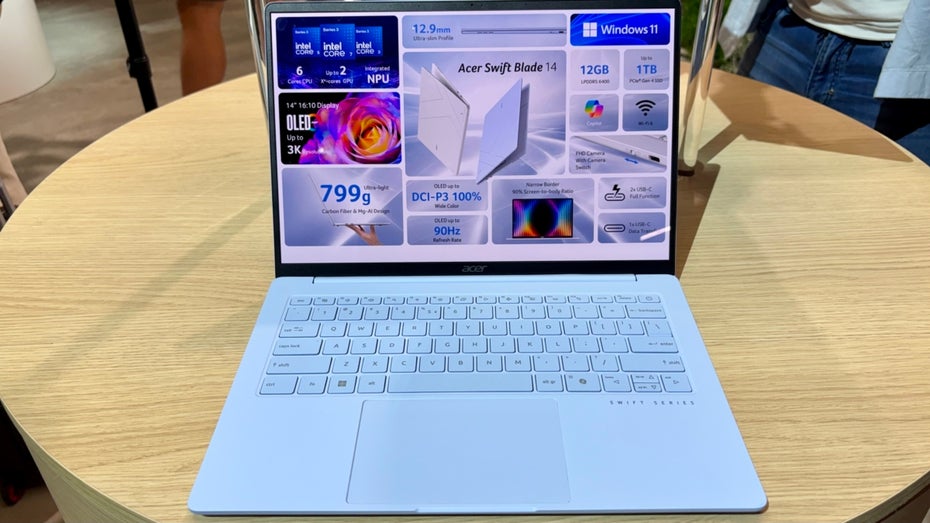
Acer Swift Blade 14: Leichtgewicht auf der IFA 2026
Das Acer Swift Blade 14 beeindruckt mit einem Gewicht von unter 800 Gramm und stellt das Macbook Air in den Schatten....

comment Kommentare (0)
Noch keine Kommentare. Schreiben Sie den ersten!
Kommentar hinterlassen