
65 Milliarden Euro an Rohstoffen in EU ungenutzt
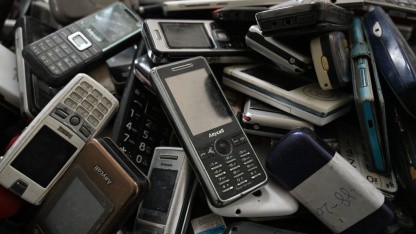
Elektroschrott in der EU birgt ungenutzte Rohstoffe im Wert von 65 Milliarden Euro. BCG und Cradle to Cradle NGO fordern zirkuläres Design.
In der Europäischen Union lagern ungenutzte Rohstoffe im Wert von 65 Milliarden Euro in Form von Elektroschrott. Diese wertvollen Materialien, darunter seltene Erden und Edelmetalle, könnten durch ein Umdenken in der Produktgestaltung und -verwertung besser genutzt werden. Die Unternehmensberatung Boston Consulting Group (BCG) und die NGO Cradle to Cradle fordern ein zirkuläres Design, um die Rohstoffe aus Altgeräten zu sichern und die Abhängigkeit von Importen zu reduzieren.
Wachsender Elektroschrott und seine Folgen
Die Menge an Elektroschrott in der EU nimmt stetig zu. Laut Schätzungen werden jährlich Millionen Tonnen an elektronischen Geräten entsorgt, die wertvolle Materialien enthalten. Diese Geräte, die oft nicht ordnungsgemäß recycelt werden, stellen nicht nur eine Umweltbelastung dar, sondern auch eine verpasste Chance zur Rohstoffgewinnung. Die BCG hebt hervor, dass die Wiederverwertung dieser Materialien nicht nur ökologisch sinnvoll, sondern auch ökonomisch vorteilhaft ist.
Ein zirkuläres Design könnte dazu beitragen, die Lebensdauer von Produkten zu verlängern und die Menge an Elektroschrott zu reduzieren. Durch die Entwicklung von Geräten, die einfacher zu reparieren und zu recyceln sind, könnten Unternehmen nicht nur ihre Umweltbilanz verbessern, sondern auch Kosten sparen. Die BCG und Cradle to Cradle betonen, dass ein Umdenken in der Produktentwicklung notwendig ist, um die Rohstoffe effizienter zu nutzen.
Rohstoffe aus Elektroschrott gewinnen
Die Wiedergewinnung von Rohstoffen aus Elektroschrott ist ein komplexer Prozess, der jedoch zunehmend an Bedeutung gewinnt. Derzeit werden nur etwa 20 bis 30 Prozent der wertvollen Materialien aus alten Geräten zurückgewonnen. Die restlichen 70 bis 80 Prozent landen auf Deponien oder werden unsachgemäß entsorgt. Dies führt nicht nur zu einem Verlust wertvoller Ressourcen, sondern auch zu einer erhöhten Umweltbelastung.
Die BCG und Cradle to Cradle fordern daher eine verstärkte Zusammenarbeit zwischen Regierungen, Unternehmen und Verbrauchern, um die Recyclingquoten zu erhöhen. Durch gesetzliche Vorgaben und Anreize könnten Unternehmen motiviert werden, nachhaltigere Produkte zu entwickeln und die Rücknahme von Altgeräten zu fördern. Ein solches Vorgehen könnte nicht nur die Rohstoffversorgung in der EU sichern, sondern auch die Abhängigkeit von Importen verringern.
Ein weiterer Aspekt ist die Sensibilisierung der Verbraucher für die Bedeutung des Recyclings. Viele Menschen sind sich der wertvollen Materialien in ihren alten Geräten nicht bewusst und entsorgen diese oft ohne nachzudenken. Aufklärungskampagnen könnten dazu beitragen, das Bewusstsein für Elektroschrott und dessen Wert zu schärfen.
Die EU hat bereits Schritte unternommen, um die Recyclingquoten zu erhöhen und die Kreislaufwirtschaft zu fördern. Initiativen wie die EU-Richtlinie über Elektro- und Elektronik-Altgeräte (WEEE) zielen darauf ab, die Rücknahme und das Recycling von Elektroschrott zu verbessern. Dennoch bleibt noch viel zu tun, um die ambitionierten Ziele zu erreichen und die ungenutzten Rohstoffe in der EU zu aktivieren.
Die Forderungen von BCG und Cradle to Cradle sind Teil eines größeren Trends hin zu nachhaltigerem Wirtschaften. Immer mehr Unternehmen erkennen die Notwendigkeit, ihre Produktionsprozesse zu überdenken und umweltfreundliche Alternativen zu entwickeln. Die Integration von zirkulärem Design in die Produktentwicklung könnte nicht nur zur Rohstoffsicherung beitragen, sondern auch neue Geschäftsmöglichkeiten eröffnen.
Ähnliche Artikel

US-Gesetzentwurf stärkt Käuferrechte für digitale Games
Ein neuer Gesetzentwurf in den USA zielt darauf ab, Käuferrechte für digitale Spiele zu stärken und diese rechtlich wie ...

Dan Houser über Ray Liotta und GTA: Vice City
Dan Houser spricht über die Rolle von Ray Liotta im Drehbuch von GTA: Vice City und dessen Einfluss auf das Spiel....

Apple kündigt erstes Foldable iPhone an
Apple berichtet von außergewöhnlicher Nachfrage nach dem neuen iPhone Duo, das nächste Woche vorgestellt wird....

GTA 6 qualifiziert sich für die Game Awards 2026
GTA 6 erscheint am 19. November 2026 und wird voraussichtlich die Game Awards dominieren....

comment Kommentare (0)
Noch keine Kommentare. Schreiben Sie den ersten!
Kommentar hinterlassen