
AI-System entdeckt neue HTTP-Sicherheitslücken
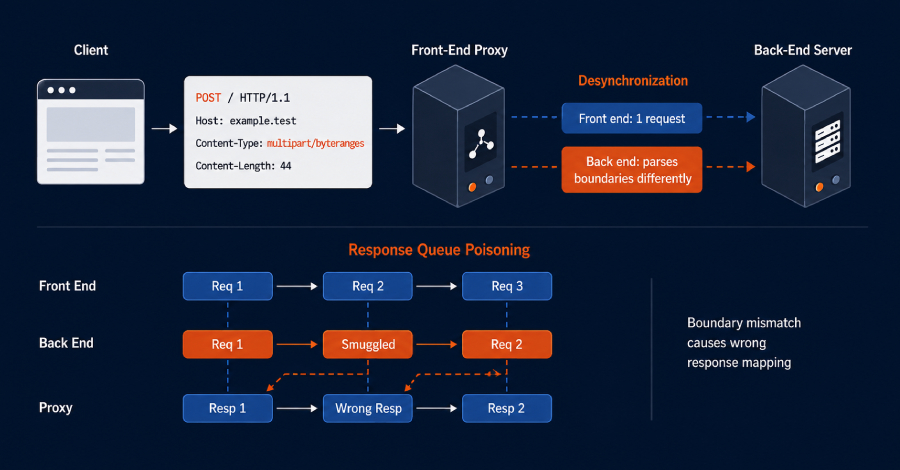
Ein KI-gestütztes System hat neue Techniken zur HTTP-Desynchronisation entdeckt und eine Zero-Day-Sicherheitslücke in Apache Traffic Server aufgedeckt.
Ein neuartiges KI-gestütztes Forschungssystem namens HTTP Terminator hat kürzlich bedeutende Fortschritte in der Entdeckung von Sicherheitslücken im HTTP-Protokoll erzielt. Entwickelt von James Kettle, hat das System neue Techniken zur HTTP-Desynchronisation generiert und nachgewiesen, indem es 30.000 potenzielle Desync-Vektoren untersucht hat. Diese Entdeckungen könnten erhebliche Auswirkungen auf die Sicherheit von Webanwendungen haben, die auf HTTP basieren.
PortSwigger, das Unternehmen hinter der Entwicklung von HTTP Terminator, hat die Ergebnisse dieser Forschung veröffentlicht. Laut den Berichten hat das System nicht nur neue Desynchronisationstechniken identifiziert, sondern auch eine separate Entdeckungskaskade, die von menschlichen Forschern geleitet wurde, hat eine Zero-Day-Sicherheitslücke im Apache Traffic Server aufgedeckt. Diese Sicherheitslücke könnte potenziell von Angreifern ausgenutzt werden, um unbefugten Zugriff auf Systeme zu erlangen.
Details zu den Entdeckungen
Die HTTP-Desynchronisationstechniken, die von HTTP Terminator entdeckt wurden, könnten es Angreifern ermöglichen, die Kommunikation zwischen Client und Server zu manipulieren. Diese Techniken nutzen Schwächen im Protokoll aus, um Datenverkehr zu desynchronisieren, was zu unerwartetem Verhalten oder sogar zu Sicherheitsverletzungen führen kann. Die Forschung zeigt, dass selbst etablierte Protokolle wie HTTP anfällig für neue Angriffsvektoren sind.
Die Zero-Day-Sicherheitslücke im Apache Traffic Server ist besonders besorgniserregend, da dieser Server weit verbreitet ist und in vielen Unternehmen eingesetzt wird. Die genaue Natur der Sicherheitslücke wurde noch nicht vollständig offengelegt, aber die Entdeckung hat bereits zu einer erhöhten Aufmerksamkeit in der Sicherheitsgemeinschaft geführt. Experten raten dazu, die Entwicklungen genau zu verfolgen und Sicherheitsupdates zeitnah zu implementieren.
Reaktionen aus der Sicherheitsgemeinschaft
Die Reaktionen auf die Entdeckungen von HTTP Terminator sind gemischt. Während viele Sicherheitsexperten die Fortschritte in der automatisierten Sicherheitsforschung begrüßen, gibt es auch Bedenken hinsichtlich der potenziellen Missbrauchsmöglichkeiten dieser Technologien. Einige Forscher warnen davor, dass die gleichen Techniken, die zur Entdeckung von Sicherheitslücken verwendet werden, auch von Angreifern genutzt werden könnten, um neue Angriffe zu entwickeln.
Die Diskussion über die ethischen Implikationen von KI-gestützten Sicherheitssystemen hat an Fahrt gewonnen. Während einige die Effizienz und die Möglichkeiten dieser Technologien loben, betonen andere die Notwendigkeit, strenge Richtlinien und Kontrollen einzuführen, um sicherzustellen, dass solche Systeme nicht in die falschen Hände geraten. Die Balance zwischen Innovation und Sicherheit bleibt ein zentrales Thema in der Cybersecurity-Branche.
Die Entdeckungen von HTTP Terminator sind ein weiterer Beweis dafür, dass die Bedrohungslandschaft im Bereich der Cybersicherheit ständig im Wandel ist. Unternehmen und Organisationen sind gefordert, ihre Sicherheitsmaßnahmen kontinuierlich zu überprüfen und anzupassen, um den neuen Herausforderungen gerecht zu werden. Die Entwicklungen in der KI und deren Anwendung in der Sicherheitsforschung werden weiterhin ein wichtiges Thema für die Zukunft sein.
PortSwigger hat bereits angekündigt, dass sie an weiteren Verbesserungen und Erweiterungen von HTTP Terminator arbeiten werden, um die Effizienz und Genauigkeit der Sicherheitsforschung zu erhöhen. Die Ergebnisse dieser Forschung könnten weitreichende Auswirkungen auf die Art und Weise haben, wie Sicherheitslücken identifiziert und behoben werden.
Ähnliche Artikel

GitLab-Sicherheitslücke ermöglicht unbefugte Codeänderungen
Eine Sicherheitslücke bei GitLab erlaubt es, Code in Projekten zu pushen und CI/CD-Jobs auszuführen, indem man eine priv...

Warnung vor Angriffen auf Netzwerkmanagementsysteme
Ein neuer Bericht warnt vor zunehmenden Angriffen auf Netzwerkmanagementsysteme, die kritische Schwachstellen aufweisen....

Neue MFA-Attacke gefährdet Passwortsicherheit
Sicherheitsforscher haben eine neue Angriffsmethode entdeckt, die es Hackern ermöglicht, Passwörter während legitimer An...
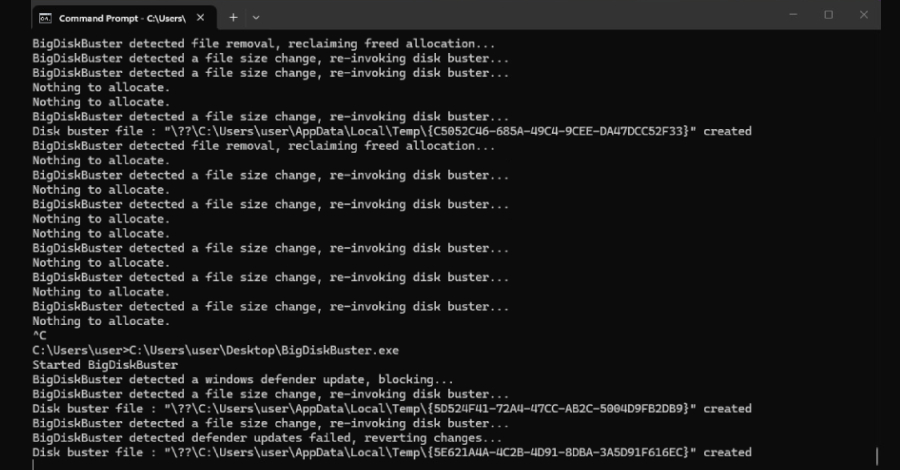
Zero-Day-Tool BigDiskBuster veröffentlicht
Ein neues Zero-Day-Tool namens BigDiskBuster blockiert Microsoft Defender-Updates, veröffentlicht von einem ehemaligen M...

comment Kommentare (0)
Noch keine Kommentare. Schreiben Sie den ersten!
Kommentar hinterlassen