




















Autonomous Cessna Flies Pilotless from Coast to Coast
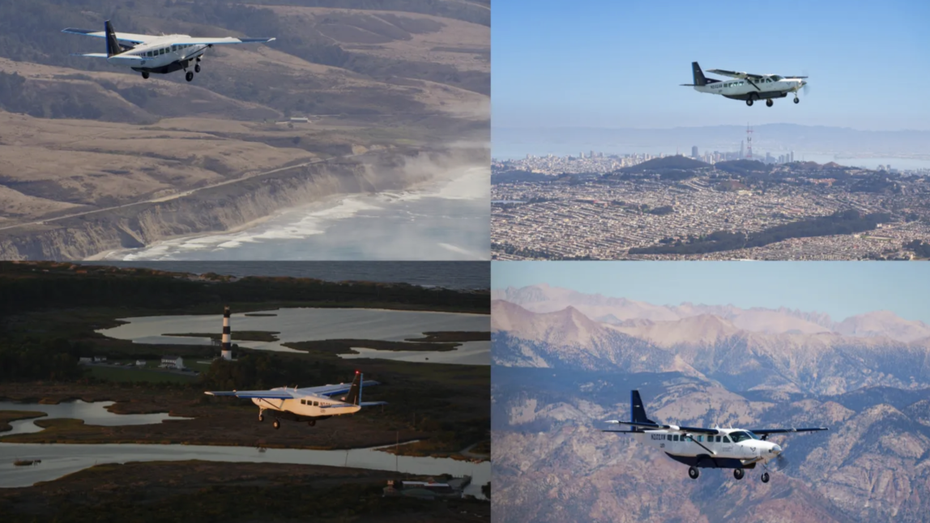
Joby Aviation has successfully flown an autonomous small aircraft from California to the East Coast of the USA. A safety person was on board but did not need to intervene.
In a groundbreaking demonstration of autonomous flight technology, Joby Aviation successfully flew a modified small aircraft, a Cessna, from the West Coast to the East Coast of the United States. The flight, considered a milestone in the development of autonomous aviation, took place without an active pilot. Only a safety person was on board, who, however, did not need to intervene during the entire flight.
Technical Details and Flight Path
The flight began in California and ended on the East Coast, covering an impressive distance of several thousand kilometers. Joby Aviation has equipped the aircraft with advanced technology that enables it to navigate and fly autonomously. The onboard systems are designed to respond in real-time to various environmental conditions, enhancing the safety and efficiency of the flight.
The Cessna was equipped with a variety of sensors and software that allow the aircraft to detect and avoid obstacles. These technologies are crucial for ensuring a safe flight without human intervention. The safety person on board was tasked with monitoring the systems and intervening in case of an emergency, which, however, was not necessary.
The flight was observed by various institutions and experts who highlighted the significance of this development for the future of aviation. The ability to autonomously control an aircraft over such a long distance could have far-reaching implications for the aviation industry, particularly regarding the efficiency and costs of air travel.
Reactions and Outlook for the Future
The reactions to this historic flight were predominantly positive. Experts and industry representatives expressed optimism about the possibilities that autonomous flight technology offers for commercial air traffic. The development could not only reduce operating costs but also increase safety in air traffic, as human errors, which are a common cause of accidents, are minimized.
Joby Aviation plans to further refine the technology and conduct additional tests in the coming years. The company has already announced that it is working on developing flight services based on this technology. The vision is to create a network of autonomous aircraft that could revolutionize urban air mobility.
However, the regulatory framework for the use of autonomous aircraft is not yet fully clarified. The US Federal Aviation Administration (FAA) is expected to play a crucial role in approving and regulating this new technology. Joby Aviation is working closely with the authorities to ensure that all safety standards are met.
The successful execution of this autonomous flight could also inspire other companies in the aviation industry to develop and test similar technologies. Competition in this area could lead to faster advancements and innovations that ultimately benefit passengers.
With this flight, Joby Aviation has taken a significant step towards a future where autonomous aircraft could become an everyday reality. The technology is rapidly evolving, and the coming years could be crucial for how the aviation industry transforms.
Ähnliche Artikel

Xiaomi presents MiMo-V2.6 Pro: Competitive prices for AI
Xiaomi has reached the pinnacle of open AI systems with the new language model MiMo-V2.6 Pro and is implementing aggress...

Microsoft manager criticizes AI training methods
Brent Hecht from Microsoft calls AI the "greatest theft." The New York Times is suing AI providers for illegal training ...

Warnings about Malicious Artificial Intelligence
Tech bosses warn about the dangers of superintelligence. What lies behind these fears? The key facts at a glance....

USA and China: AI Emergency Reporting Mechanism Proposed
The USA proposes a reporting mechanism for AI emergencies to ensure the safety of Artificial Intelligence. An approach p...

comment Kommentare (0)
Noch keine Kommentare. Schreiben Sie den ersten!
Kommentar hinterlassen