
China buys lithography systems from ASML
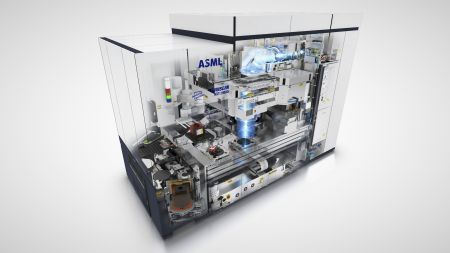
China has acquired over 300 lithography systems from ASML, while the USA demands stricter export controls.
China has made significant investments in the semiconductor industry in recent years by acquiring over 300 lithography systems from the Dutch company ASML. These systems are crucial for the production of microchips used in a variety of electronic devices. The purchase comes at a time when China is already struggling to gain access to the latest technologies from the West.
ASML is the world's leading manufacturer of lithography systems that are essential for the production of advanced semiconductors. ASML's systems, particularly EUV lithography (Extreme Ultraviolet), enable the production of chips with smaller structures and higher efficiency. This technology is critical for the development of modern electronics and competitiveness in the global semiconductor industry.
US Research Initiative Calls for Stricter Controls
In parallel with China's efforts to expand its semiconductor production, a US research initiative has called for tightening export controls on technologies that are crucial for semiconductor manufacturing. This initiative aims to ensure that sensitive technologies do not fall into the hands of countries considered strategic rivals of the US. The demands include a more comprehensive review of export applications and stricter regulation of companies collaborating with foreign partners.
The US government has already taken measures to restrict the export of advanced semiconductor technologies to China. These measures are part of a broader strategy aimed at securing the technological superiority of the US and protecting national security. The initiative has sparked mixed reactions in the industry, as some companies are concerned that stricter controls could hinder their international business.
The impact of these developments on the global semiconductor industry is significant. China aims to reduce its dependence on foreign technologies and increase its own semiconductor production. The acquisition of ASML systems is a step in this direction, even though access to the latest technologies remains limited.
The semiconductor industry is a central component of the modern economy, and control over production and technology has far-reaching geopolitical implications. The tensions between the US and China in this area could affect the innovation capacity and competitiveness of both countries. Experts warn that an escalation of trade conflicts could lead to a fragmentation of global supply chains.
The US government has emphasized that export controls are necessary to ensure that critical technologies are not used for military purposes or to strengthen the economic power of rivals. However, these measures could also complicate collaboration between companies in different countries and slow down the development of new technologies.
The situation remains tense as both China and the US seek to strengthen their positions in the global semiconductor industry. While China continues to invest in the development of its own technologies, the US government is expected to maintain its strict export controls. The coming months could be crucial in determining how relations between the two countries develop in this strategically important sector.
Ähnliche Artikel

Federal Court overturns price increase for Amazon Prime
The Federal Court has declared the price increase for Amazon Prime invalid. Long-time subscribers can look forward to ch...
Micron expects memory shortage in 2027
Micron reports strong revenue growth and predicts an even greater memory shortage in 2027....
Vertiv acquires microgrid specialist for 1.45 billion dollars
Vertiv has acquired Utility Innovation Group for 1.45 billion dollars to expand its power supply portfolio....

Naughty Dog reveals details about Intergalactic: The Heretic Prophet
Naughty Dog provides insights into the sci-fi adventure Intergalactic: The Heretic Prophet and announces more informatio...

comment Kommentare (0)
Noch keine Kommentare. Schreiben Sie den ersten!
Kommentar hinterlassen