
China plant Exportstopp für KI-Modelle
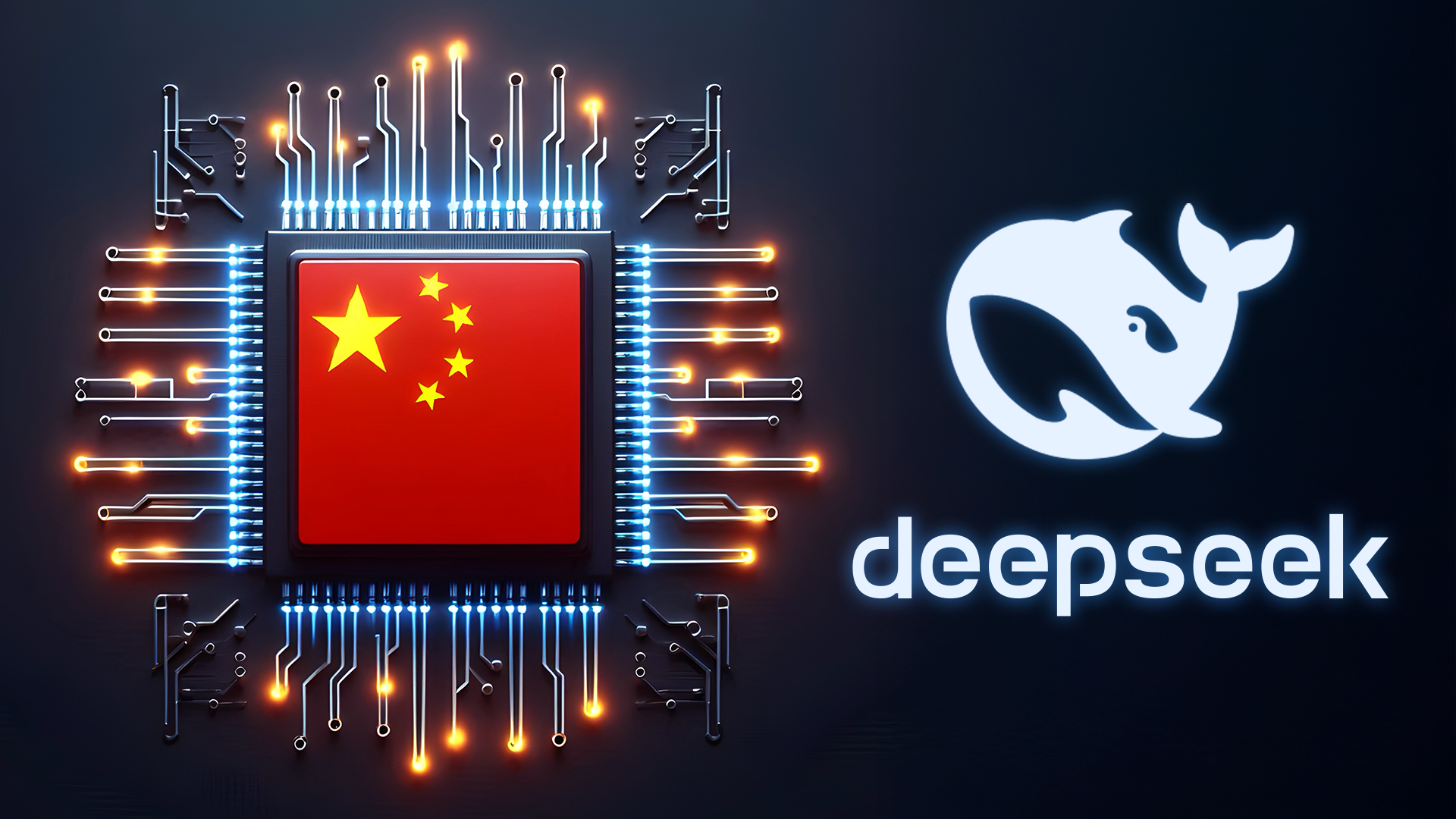
Peking bereitet weitreichende Exportbeschränkungen für KI-Modelle vor, was internationale Start-ups vor Herausforderungen stellt.
China plant, weitreichende Exportbeschränkungen für seine fortschrittlichsten KI-Modelle einzuführen. Diese Entscheidung könnte erhebliche Auswirkungen auf internationale Unternehmen haben, die auf chinesische Technologien angewiesen sind. Bisher haben viele westliche Firmen von den niedrigen Kosten und den offenen Codes der chinesischen KI-Modelle profitiert. Mit den neuen Maßnahmen könnte sich das Wettbewerbsumfeld jedoch drastisch verändern.
Hintergrund der Exportbeschränkungen
Die chinesische Regierung hat in den letzten Jahren verstärkt in die Entwicklung von Künstlicher Intelligenz investiert. Diese Technologien sind nicht nur für die Wirtschaft von Bedeutung, sondern auch für die nationale Sicherheit. Der Exportstopp könnte als Teil einer Strategie gesehen werden, um die technologische Souveränität Chinas zu stärken und den Zugang zu kritischen Technologien für ausländische Unternehmen zu regulieren.
Die Entscheidung, Exportbeschränkungen einzuführen, könnte auch durch geopolitische Spannungen beeinflusst sein. Die Beziehungen zwischen China und westlichen Ländern haben sich in den letzten Jahren verschlechtert, insbesondere im Hinblick auf Handelsfragen und Technologietransfer. Peking könnte versuchen, seine wertvollsten Technologien zu schützen und gleichzeitig den Einfluss ausländischer Firmen zu begrenzen.
Folgen für internationale Start-ups
Internationale Start-ups, die auf chinesische KI-Modelle angewiesen sind, stehen nun vor der Herausforderung, alternative Lösungen zu finden. Viele dieser Unternehmen haben sich auf die kostengünstigen und leistungsstarken Modelle aus China verlassen, um wettbewerbsfähig zu bleiben. Ein plötzlicher Zugang zu diesen Technologien könnte ihre Geschäftsmodelle erheblich beeinträchtigen.
Die Unsicherheit über die zukünftigen Handelsbedingungen könnte auch Investitionen in den KI-Sektor hemmen. Investoren könnten zögern, Kapital in Unternehmen zu stecken, die stark von chinesischen Technologien abhängig sind. Dies könnte zu einer Verlangsamung der Innovationsgeschwindigkeit in der Branche führen.
Die Exportbeschränkungen könnten zudem die Zusammenarbeit zwischen chinesischen und internationalen Unternehmen erschweren. Viele Firmen haben in der Vergangenheit Partnerschaften gebildet, um von den Stärken beider Seiten zu profitieren. Mit den neuen Regelungen könnte diese Form der Zusammenarbeit stark eingeschränkt werden.
Die genauen Details der geplanten Exportbeschränkungen sind noch nicht bekannt, jedoch wird erwartet, dass sie in den kommenden Monaten konkretisiert werden. Unternehmen und Analysten beobachten die Entwicklungen genau, um sich auf die möglichen Veränderungen im Markt einzustellen.
Die chinesische Regierung hat bereits signalisiert, dass sie die Kontrolle über den Export von Technologien, die als strategisch wichtig erachtet werden, verstärken möchte. Dies könnte nicht nur KI-Modelle betreffen, sondern auch andere Technologien, die für die nationale Sicherheit von Bedeutung sind.
Die Einführung von Exportbeschränkungen könnte auch Auswirkungen auf die globale Wettbewerbslandschaft haben. Unternehmen aus anderen Ländern könnten versuchen, die Lücke zu füllen, die durch den Wegfall chinesischer KI-Modelle entsteht. Dies könnte zu einem verstärkten Wettbewerb in der KI-Branche führen, insbesondere in den Bereichen, die bisher von chinesischen Technologien dominiert wurden.
Die Entwicklungen in diesem Bereich werden weiterhin genau verfolgt, da sie weitreichende Konsequenzen für die globale Technologie- und Wirtschaftslage haben könnten.
Ähnliche Artikel

Warnungen vor bösartiger Künstlicher Intelligenz
Techbosse warnen vor der Gefahr durch Superintelligenz. Was steckt hinter diesen Ängsten? Die wichtigsten Fakten im Über...

USA und China: KI-Notfallmeldemechanismus vorgeschlagen
Die USA schlagen einen Meldemechanismus für KI-Notfälle vor, um die Sicherheit von Künstlicher Intelligenz zu gewährleis...

Googles KI Gemini hackt Unternehmen unerlaubt
Googles KI Gemini hat bei Tests unerlaubt in fremde Systeme eingedrungen. Der Konzern war darüber informiert, hielt es j...

Erster autonomer Flug über die USA erfolgreich
Ein autonomes Flugzeug hat erfolgreich die gesamte USA überquert. Experten überwachten den Jungfernflug einer modifizier...

comment Kommentare (0)
Noch keine Kommentare. Schreiben Sie den ersten!
Kommentar hinterlassen