
Cybersecurity in Transition: The Era of AI Threats
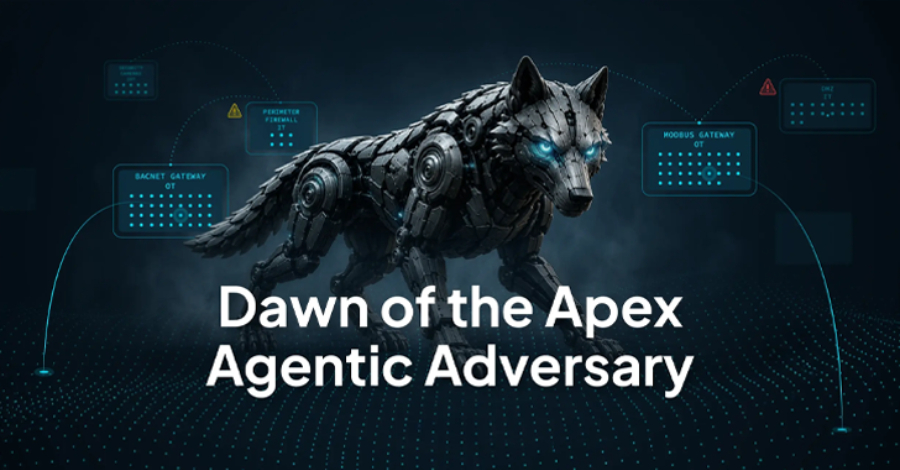
Cybersecurity faces new challenges from AI-driven threats that are faster and more complex than ever before.
The cybersecurity industry is undergoing a profound transformation as threats from artificial intelligence (AI) are becoming increasingly significant. In the past, organizations could respond to threats at a pace they could control. A researcher discovered a flaw, a CVE was cataloged, and a vendor navigated through a patch cycle. These processes, which often took weeks or months, are now outdated.
The new reality shows that response times to cyberattacks must be drastically shortened. Dwell time, or the time an attacker remains in the network, is no longer measured in days or weeks, but in minutes or even seconds. This development poses enormous challenges for companies, as they must adapt to keep pace with the speed of threats.
The Role of AI in Cybersecurity
Artificial intelligence has the potential to be used both as a tool for defense and as a means for attackers. Cybercriminals are leveraging AI to automate and optimize their attacks, leading to an exponential increase in the complexity of threats. These AI-driven attacks may be able to bypass security measures that were previously considered effective.
The speed at which AI-powered attacks are carried out requires companies to rethink their security strategies. Traditional methods of threat detection and defense are often no longer sufficient to keep up with the new, dynamic threats. Companies need to develop proactive approaches to prepare for these new challenges.
Another aspect of this development is the need to train cybersecurity professionals who are familiar with the latest technologies and threats. The demand for experts capable of implementing and managing AI-driven security solutions is rising rapidly. Educational institutions and companies must collaborate to ensure that the next generation of cybersecurity professionals is well-prepared.
The Future of Cybersecurity
The challenges posed by AI-driven threats are not only technical in nature. They also involve legal and ethical issues related to the use of AI in cybersecurity. Companies must grapple with questions of accountability and liability, especially when AI systems make decisions that could lead to security incidents.
The development of standards and guidelines for the use of AI in cybersecurity is becoming increasingly important. Governments and international organizations are working to create frameworks that promote the safe and responsible use of AI technologies. These initiatives are crucial for maintaining trust in digital systems and ensuring the security of data and networks.
The cybersecurity industry stands at a turning point where the integration of AI brings both risks and opportunities. Companies that can quickly adapt and develop innovative solutions will be able to thrive in this new era of threats. The coming years will be critical in determining how the landscape of cybersecurity will evolve.
Ähnliche Artikel

Cyberattack on Brandenburg Memorials
The Brandenburg Memorials Foundation fell victim to a ransomware attack that paralyzed its IT systems and resulted in a ...
OpenAI presents ChatGPT 5.6 Cyber for Professionals
OpenAI has released the ChatGPT 5.6 Cyber model, specifically designed for security research....

New phishing method disguises itself as a Windows blue screen
Security researchers have discovered a new phishing method that uses fake Windows blue screens to lure users into execut...
AI Bots Take Over Hacking Attacks
A new report shows that AI is increasingly being used for hacking attacks. IT experts warn of new threats....

comment Kommentare (0)
Noch keine Kommentare. Schreiben Sie den ersten!
Kommentar hinterlassen