


Dental robot MIR revolutionizes dental visits
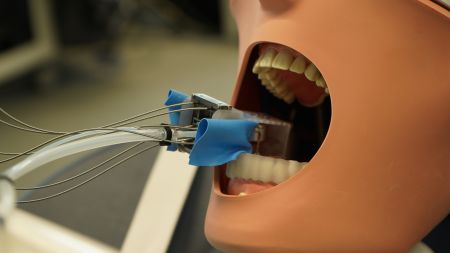
The dental robot MIR is set to assist dentists in treatments and reduce the number of necessary sessions.
The visit to the dentist is associated with discomfort for many people, especially when multiple treatment sessions are required. To facilitate this process, the dental robot MIR has been developed, which is intended to assist dentists in various treatments in the future. This innovative robot could fundamentally change the way dental treatments are performed.
Technology and Functionality of the Dental Robot
The MIR robot utilizes advanced technologies to perform precise and efficient dental procedures. It is equipped with state-of-the-art sensors that enable accurate analysis of the oral cavity. These sensors help identify the specific needs of each patient and adjust the treatment accordingly. By automating certain processes, the robot could significantly reduce treatment time.
Another advantage of the MIR robot is its ability to work closely with dentists. The robot can take over routine tasks while the dentist focuses on more complex aspects of the treatment. This could not only increase efficiency in the dental practice but also improve the patient experience, as less time needs to be spent in the treatment chair.
Benefits for Patients and Dentists
The introduction of the dental robot MIR could bring numerous benefits for patients. One of the main concerns for many patients is the number of required dental visits. With the support of the robot, many treatments could be completed in a single session, reducing the stress and inconvenience of multiple visits. This could be particularly significant for anxious patients who often struggle to visit the dental practice regularly.
For dentists, the MIR robot also offers numerous advantages. The automation of routine tasks allows dentists to focus on the individual needs of their patients. This could not only reduce the workload of dentists but also improve the overall quality of dental care. Additionally, the robot could help shorten waiting times in dental practices, which is beneficial for both patients and the practice team.
The development of the dental robot MIR is part of a larger trend in dentistry aimed at integrating technology into patient care. With the ongoing digitization and automation in the healthcare sector, it is expected that such technologies will play an increasingly important role in the future. Thus, the MIR robot could not only revolutionize dental treatment but also serve as a model for future developments in other areas of medicine.
The initial tests of the dental robot MIR have already yielded promising results. Clinical studies have shown that the robot works precisely and efficiently, leading to higher patient satisfaction. The developers of the robot are optimistic that it will soon be used in dental practices to enhance the treatment experience for patients.
The introduction of the MIR robot could also impact the training of dentists. Future dental students may need to learn how to handle such technologies and integrate them into their treatments. This could further modernize dental education and adapt it to the needs of an increasingly technology-oriented society.
Ähnliche Artikel

Ukraine develops electric motorcycle for frontline use
Ukraine has developed a silent electric motorcycle for frontline use, equipped with a range extender....

Future of Data Storage: New Technologies in Focus
Innovative storage media are set to secure data archives for centuries. The podcast Bit-Rauschen highlights current deve...

Optimize Thermal Storage for Data Center Waste Heat
Thermal storage enables flexible use of waste heat from data centers and creates new opportunities for heating networks....

Windows 11 Weather App Slows Down PCs
The Weather App in Windows 11 could impair the performance of PCs as it consumes a lot of memory, even when idle....

comment Kommentare (0)
Noch keine Kommentare. Schreiben Sie den ersten!
Kommentar hinterlassen