
Die Bedeutung von Identity Fabric im Jahr 2026
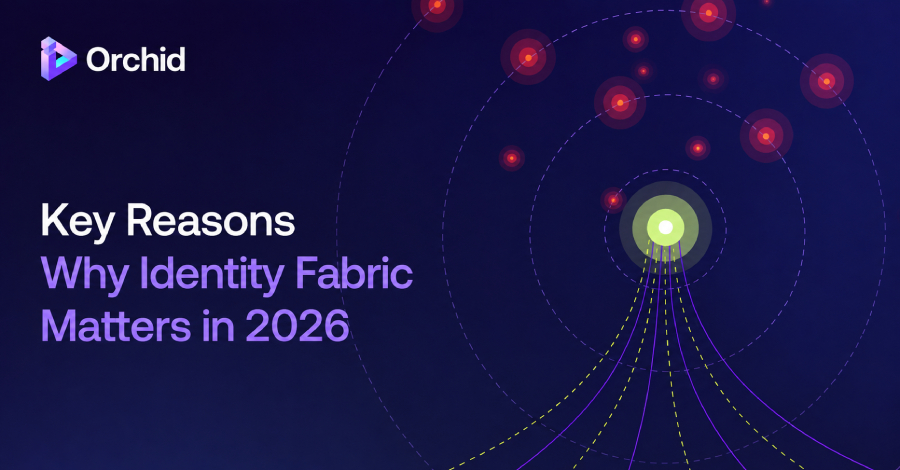
Identity Fabric vereint fragmentierte Identitätssysteme und verbessert die Sicherheit in einer zunehmend cloudbasierten Welt.
Im Jahr 2026 wird die Bedeutung von Identity Fabric in der Unternehmenslandschaft immer deutlicher. Mit der zunehmenden Nutzung von Cloud-Diensten und automatisierten Arbeitsabläufen wird die Verwaltung von Identitäten zu einer zentralen Herausforderung für Unternehmen. Identity Fabric bietet eine Lösung, indem es fragmentierte Identitätssysteme zu einer kohärenten Schicht verbindet, die das Verhalten von Identitäten über verschiedene Anwendungen, APIs und Infrastrukturen hinweg beobachtet.
Die Architektur von Identity Fabric ermöglicht es Unternehmen, die Sicherheit ihrer Identitäten in Echtzeit zu überwachen. Anstatt sich auf statische Konfigurationen zu verlassen, die oft veraltet sind, ermöglicht diese Architektur eine dynamische Sicht auf Identitäten und deren Interaktionen. Dies ist besonders wichtig, da Unternehmen zunehmend auf eine Vielzahl von Cloud-Diensten zugreifen, die unterschiedliche Identitätsanforderungen mit sich bringen.
Risiken unmanaged Identitäten
Ein zentrales Risiko in der heutigen digitalen Landschaft sind unmanaged Identitäten. Diese entstehen häufig, wenn Benutzerkonten nicht ordnungsgemäß verwaltet werden, was zu Sicherheitslücken führen kann. Identity Fabric hilft, diese Risiken zu minimieren, indem es eine zentrale Sicht auf alle Identitäten bietet und sicherstellt, dass alle Zugriffe und Berechtigungen kontinuierlich überwacht werden.
Die Überwachung von Identitäten in Echtzeit ermöglicht es Unternehmen, potenzielle Bedrohungen frühzeitig zu erkennen und darauf zu reagieren. Dies ist besonders wichtig in einer Zeit, in der Cyberangriffe immer raffinierter werden und Unternehmen unter Druck stehen, ihre Daten und Systeme zu schützen. Identity Fabric bietet die notwendige Transparenz, um Sicherheitsvorfälle schnell zu identifizieren und zu beheben.
Ein weiterer Vorteil von Identity Fabric ist die Verbesserung der Benutzererfahrung. Durch die Vereinheitlichung der Identitätsverwaltung können Benutzer einfacher auf die benötigten Ressourcen zugreifen, ohne sich mit mehreren Anmeldedaten herumschlagen zu müssen. Dies führt nicht nur zu einer höheren Produktivität, sondern auch zu einer geringeren Frustration bei den Benutzern.
Die Zukunft der Identitätsverwaltung
Die Entwicklung von Identity Fabric ist ein Schritt in Richtung einer sichereren und effizienteren Identitätsverwaltung. Unternehmen, die diese Technologie implementieren, sind besser gerüstet, um den Herausforderungen der digitalen Transformation zu begegnen. Die Fähigkeit, Identitäten in Echtzeit zu überwachen und zu verwalten, wird zunehmend zu einem entscheidenden Wettbewerbsvorteil.
Mit der fortschreitenden Digitalisierung und der Zunahme von Remote-Arbeit wird die Notwendigkeit für robuste Identitätslösungen weiter wachsen. Identity Fabric stellt sicher, dass Unternehmen nicht nur sicher sind, sondern auch agil bleiben können, während sie sich an die sich ständig ändernden Anforderungen des Marktes anpassen.
Die Implementierung von Identity Fabric ist jedoch nicht ohne Herausforderungen. Unternehmen müssen sicherstellen, dass sie über die notwendigen Ressourcen und das Fachwissen verfügen, um diese Systeme effektiv zu integrieren. Die Schulung von Mitarbeitern und die Anpassung bestehender Prozesse sind entscheidend, um das volle Potenzial von Identity Fabric auszuschöpfen.
Die kontinuierliche Entwicklung von Technologien und Standards im Bereich der Identitätsverwaltung wird die Relevanz von Identity Fabric in den kommenden Jahren weiter steigern. Unternehmen, die proaktiv in diese Technologien investieren, werden in der Lage sein, ihre Sicherheitsstrategien zu optimieren und sich auf die Zukunft vorzubereiten.
Ähnliche Artikel
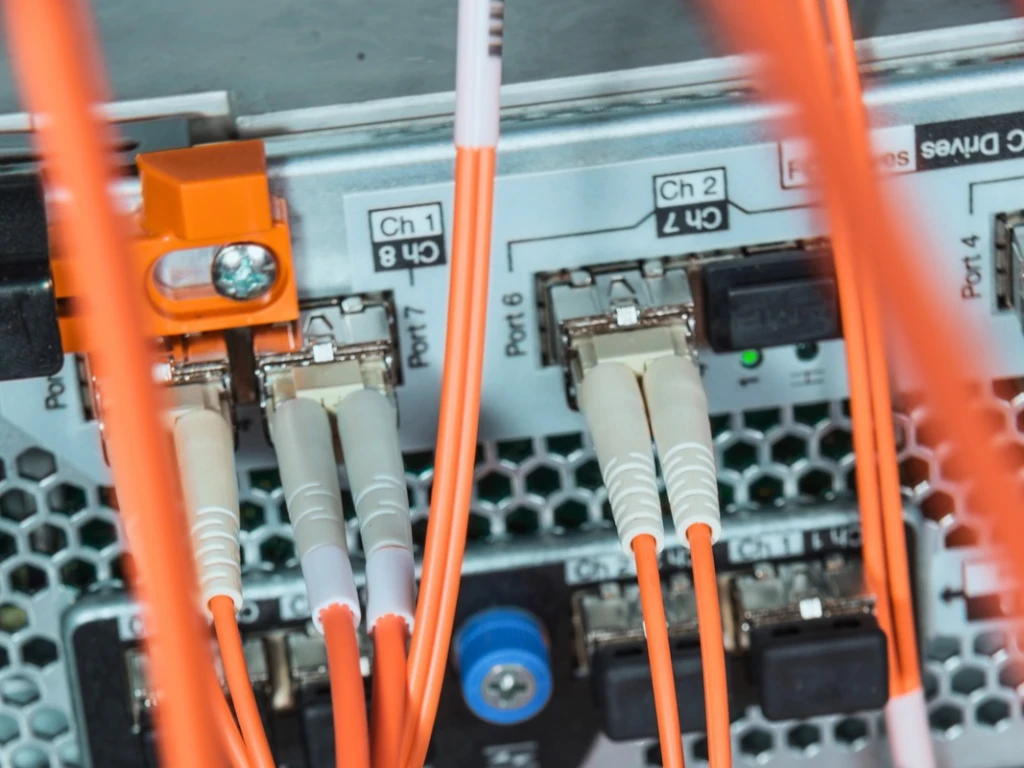
Netzwerkmodernisierung beendet Büroausfälle
Ein Unternehmen hat durch eine umfassende Netzwerkmodernisierung seine IT-Probleme gelöst und die Effizienz gesteigert....
Transparenz in industriellen Netzwerken: Ein Muss
Die Bedeutung von Transparenz in industriellen Netzwerken wird immer deutlicher, da Produktionsausfälle zunehmen....
AWS plant Rechenzentrum in Obertshausen
AWS plant ein Rechenzentrum auf einer Industriebrache in Obertshausen, was auf Widerstand bei Bürgern und der Opposition...
Unified Endpoint Management: Ein Überblick
Unified Endpoint Management (UEM) vereinfacht die Verwaltung von IT-Geräten in Unternehmen. Der folgende Artikel beleuch...

comment Kommentare (0)
Noch keine Kommentare. Schreiben Sie den ersten!
Kommentar hinterlassen