










E-Invoicing: Companies Lag Behind
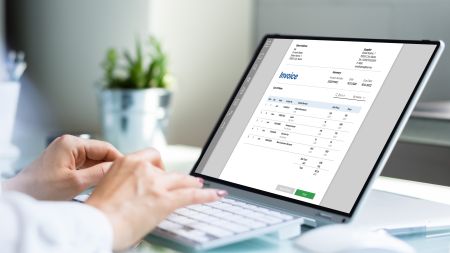
One in three companies has never sent an e-invoice. The introduction of e-invoicing is set to be further advanced by 2027.
In 2026, it becomes clear that digitalization in accounting has not yet reached all companies. According to current surveys, every third company in Germany has never sent an e-invoice. This is particularly noteworthy, as the e-invoice is considered an important step towards efficiency and cost savings.
The introduction of the e-invoice has been driven in Germany by legal requirements and initiatives. Starting in 2027, the next phase of the e-invoice implementation is set to begin, which means that companies will need to engage more intensively with the topic. The necessity to send invoices in a structured format is increasingly becoming mandatory.
Challenges in Implementation
Despite the clear advantages that the e-invoice brings, many companies face challenges in implementation. Often, there is a lack of the necessary technical infrastructure or the corresponding knowledge in handling digital invoices. These hurdles lead many firms to continue relying on traditional paper formats.
Another aspect hindering the introduction of the e-invoice is the uncertainty regarding the legal framework. Many companies are unsure whether they can correctly implement the legal requirements, leading to a hesitant attitude. These uncertainties need to be addressed to facilitate the transition to e-invoicing.
The Path to Digitalization
The digitalization of accounting is not only a matter of efficiency but also of competitiveness. Companies that switch to e-invoices can not only save costs but also optimize their processes. Nevertheless, the current situation shows that many firms are still not ready to take this step.
The federal government has recognized that comprehensive education and support are necessary to assist companies in implementing the e-invoice. Initiatives to promote digital transformation in accounting are already in planning to prepare companies for the upcoming changes.
The e-invoice will play a central role in business transactions in the coming years. The legal obligation to use e-invoices is expected to lead companies that have been hesitant to engage more intensively with the topic. Time is running out, as the deadlines for implementation are approaching.
The current situation highlights that there is still much to be done to establish the e-invoice in companies. The next steps in the introduction of the e-invoice will be crucial for how quickly and efficiently companies can respond to digital transformation.
Ähnliche Artikel
Manage Engine launches new Marketplace for Extensions
Manage Engine has launched a new Marketplace that serves as an open ecosystem for extensions....
Vitel expands product range with Peplink's Balance 310 5G
The Value Added Distributor Vitel is now distributing the Balance 310 5G from Peplink, an innovative enterprise router....

NASA funds drone for lunar cave exploration
NASA is supporting the development of a drone for exploring cave systems on the Moon, designed by Stone Aerospace....
Outlook Update: New Signature Feature for Smartphones
Microsoft integrates a new signature feature in Outlook for smartphones that makes it easier to insert signature images ...

comment Kommentare (0)
Noch keine Kommentare. Schreiben Sie den ersten!
Kommentar hinterlassen