
Elon Musk's Promises: An Overview of 602 Announcements
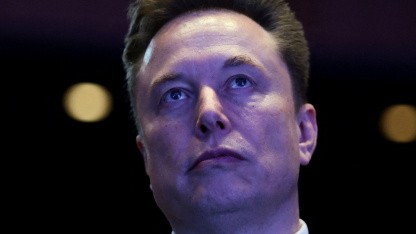
The New York Times has examined the fulfillment of Elon Musk's 602 promises regarding Tesla and SpaceX. The report shows how many of these announcements have actually been implemented.
Elon Musk, the CEO of Tesla and SpaceX, is known for his ambitious announcements and visions. Ahead of SpaceX's upcoming IPO, the New York Times has conducted a comprehensive analysis of his 602 promises. The report examines how many of these announcements have been realized and what impact they have had on the respective companies.
Fulfilled and Unfulfilled Promises
Of the 602 promises Musk has made over the years, according to the analysis, 368 have actually been fulfilled. This corresponds to about 61 percent of the announcements. The fulfillment of these promises ranges from the introduction of new products to technological innovations that have advanced both Tesla and SpaceX. Some of the successfully implemented projects include the development of the Tesla Model 3 and the successful execution of manned spaceflights with SpaceX.
However, there is also a considerable number of promises that have not been fulfilled. 234 announcements, or about 39 percent, remain unfulfilled. These unfulfilled promises often involve ambitious timelines or technologies that have proven to be more difficult to realize than originally thought. One example is the announcement of a fully autonomous vehicle that was supposed to hit the market by 2020, which has not yet been achieved.
Impact on the Companies
The fulfillment of Musk's promises has a significant impact on stock prices and the public perception of his companies. Tesla has established itself as a leading manufacturer of electric vehicles, which is partly due to the successful implementation of Musk's visions. Tesla's innovative strength has contributed to the company experiencing strong growth in recent years.
SpaceX, on the other hand, has made significant progress with the successful execution of missions to the International Space Station and the development of the Starship spacecraft. These successes are directly linked to Musk's announcements, which are often seen as milestones in aerospace technology. SpaceX's ability to develop cost-effective and reusable rockets has revolutionized the aerospace industry.
The New York Times analysis also shows that Musk's promises are often associated with high expectations. This leads both investors and the public to closely monitor whether and when these announcements will be realized. Musk's high visibility and that of his companies mean that unfulfilled promises can also lead to a loss of trust, which could negatively impact the company's valuation.
Another aspect of the analysis is the nature of the promises Musk makes. Many of his announcements are technological in nature and involve the development of new products or services. This type of promise is often difficult to quantify and can be influenced by various factors, including technical challenges and market conditions. The New York Times highlights that the complexity of the projects often leads to delays.
The investigation of Musk's promises is of interest not only to investors but also to the general public, who are interested in developments in the technology and aerospace industries. The results of the analysis could also influence future decisions by investors and consumers interested in Tesla and SpaceX's products and services.
The New York Times has meticulously documented the fulfillment of Elon Musk's announcements, providing a comprehensive overview of the successes and failures of his visions. This analysis could serve as a reference for future developments in the companies and highlights the challenges associated with achieving ambitious technological goals.
Ähnliche Artikel
Tim Cook resigns as Apple CEO
After 15 years at the helm of Apple, Tim Cook is stepping down. His tenure was marked by revenue growth, but the major p...

Google presents new Gemini smart speaker
The new Google Home Speaker costs 120 euros and offers exclusive features with a subscription....
Apple opens iPhone clipboard for Windows PCs
Apple will open its iPhone clipboard for Windows PCs to meet the requirements of the EU and Microsoft....
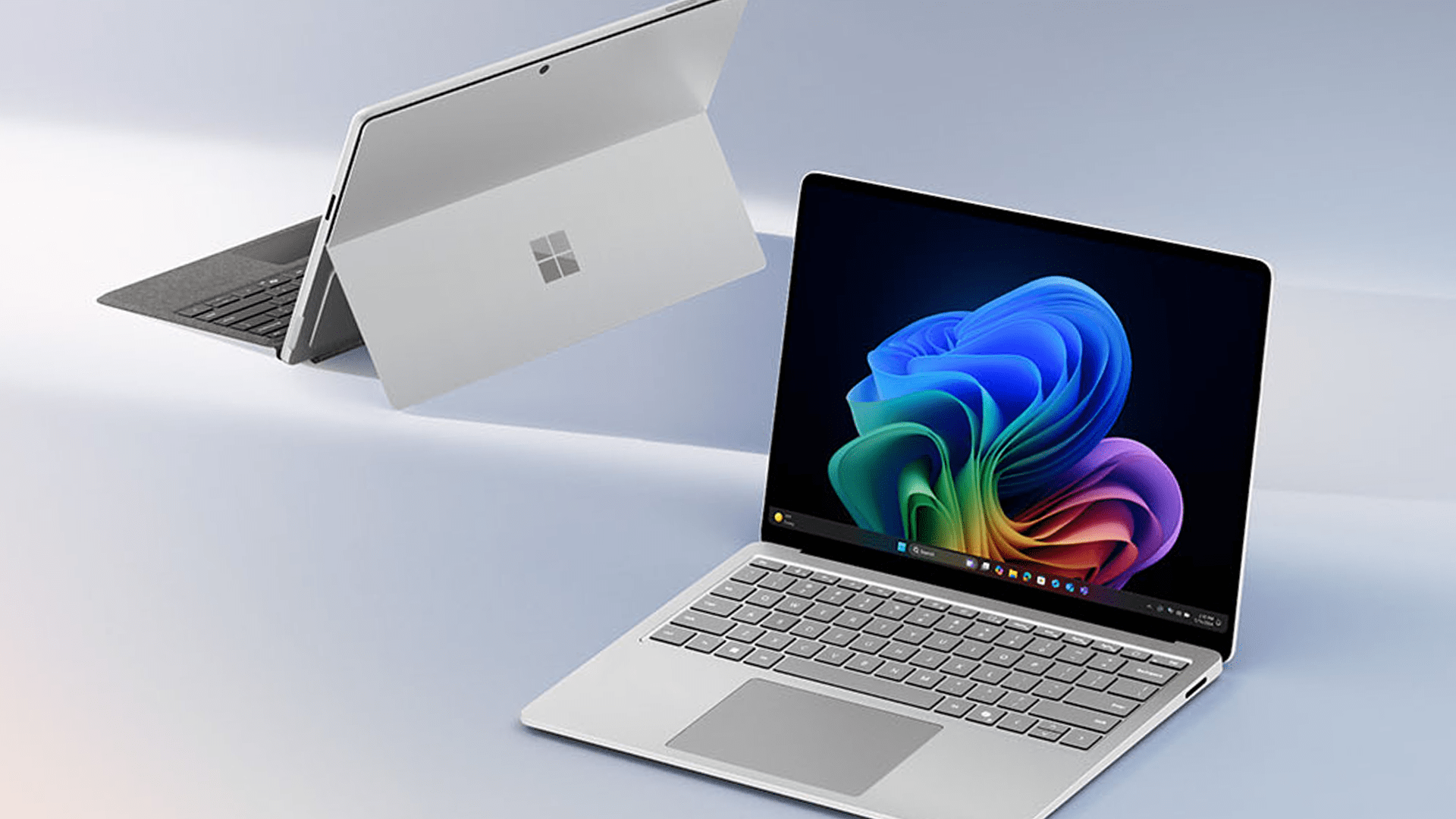
Microsoft's Surface Laptops Struggle with Windows 11
Microsoft's new Surface Laptops show performance issues under Windows 11, especially models with only 8 GB of RAM....

comment Kommentare (0)
Noch keine Kommentare. Schreiben Sie den ersten!
Kommentar hinterlassen