

Storage Aziendale: Il Futuro dello Stoccaggio dei Dati
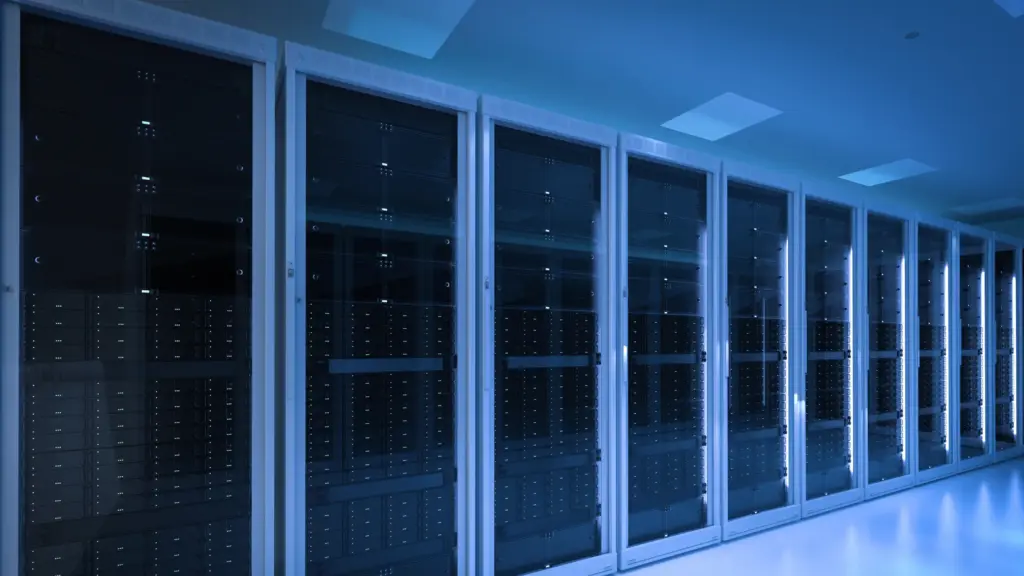
I moderni data center si affidano allo Storage Aziendale per far fronte all'aumento dei volumi di dati. Soluzioni potenti offrono alta capacità e disponibilità.
In un'epoca in cui le aziende generano quotidianamente enormi quantità di dati, un'infrastruttura di archiviazione potente diventa sempre più importante. L'Enterprise Storage offre soluzioni che garantiscono non solo grandi capacità, ma anche elevate prestazioni, affidabilità e scalabilità. La digitalizzazione porta a una crescita rapida delle masse di dati, aumentando le esigenze per le soluzioni di archiviazione.
Le moderne ambienti IT necessitano di soluzioni di archiviazione che siano flessibili e che soddisfino al contempo i requisiti di prestazioni e disponibilità. Invece di aggiornare singoli server con dischi rigidi più grandi, molti data center si affidano a soluzioni di Enterprise Storage professionali. Questi sistemi di archiviazione centralizzati consentono una gestione e un'espansione efficienti dello spazio di archiviazione.
Il ruolo di DAS e JBOD nell'Enterprise Storage
Una delle soluzioni di Enterprise Storage più fondamentali è il Direct Attached Storage (DAS). Nel DAS, dischi o alloggiamenti di archiviazione aggiuntivi sono collegati direttamente a un server. Questi sistemi sono economici e facili da implementare, rendendoli particolarmente attraenti per le aziende che necessitano di elevate velocità di trasferimento. Il trasferimento dei dati avviene tramite connessioni SAS, PCIe o NVMe, il che porta a latenze ridotte.
I sistemi DAS sono particolarmente vantaggiosi per server di database, host di virtualizzazione e applicazioni con elevate esigenze di prestazioni. Offrono un modo semplice per espandere lo spazio di archiviazione senza dover effettuare configurazioni complesse. Questo consente un rapido adattamento alle esigenze in evoluzione delle aziende.
Un altro concetto importante nel campo dell'Enterprise Storage sono i sistemi JBOD, che stanno per "Just a Bunch Of Disks". Questi sistemi sono composti da numerosi dischi rigidi o SSD che vengono presentati al server come singoli dischi. Le soluzioni JBOD sono particolarmente utili quando si tratta di archiviare grandi quantità di dati senza dover ricorrere a complesse configurazioni RAID.
I sistemi JBOD trovano spesso applicazione in server di backup, sistemi di archiviazione, produzioni multimediali o applicazioni di Big Data. Rappresentano un componente importante di molti ambienti di Enterprise Storage e consentono una memorizzazione semplice ed economica di grandi quantità di dati.
L'importanza di NAS nei moderni data center
Il Network Attached Storage (NAS) si è evoluto negli ultimi anni in una soluzione centrale nel campo dell'Enterprise Storage. I sistemi NAS offrono una soluzione di archiviazione centrale accessibile tramite una rete. Questo consente a più utenti e applicazioni di accedere contemporaneamente ai dati memorizzati, migliorando l'efficienza e la collaborazione nelle aziende.
La flessibilità dei sistemi NAS consente alle aziende di scalare le proprie risorse di archiviazione in base alle necessità. Questo è particolarmente importante in periodi in cui le quantità di dati crescono in modo esponenziale. Le soluzioni NAS offrono non solo elevate capacità, ma anche una gestione semplice e integrazione nelle infrastrutture IT esistenti.
La combinazione di DAS, JBOD e NAS garantisce che le aziende siano in grado di soddisfare in modo efficiente le proprie esigenze di archiviazione. Queste soluzioni sono fondamentali per affrontare le sfide legate alla digitalizzazione e alla crescita delle masse di dati. Le aziende che si affidano all'Enterprise Storage beneficiano di un migliore utilizzo delle risorse e di una maggiore sicurezza dei dati.
Lo sviluppo continuo e il miglioramento delle tecnologie di Enterprise Storage giocheranno anche nei prossimi anni un ruolo centrale nella strategia IT di molte aziende.
Ähnliche Artikel
Scoperto un nuovo exploit zero-day per Windows
I ricercatori di sicurezza pubblicano un ulteriore exploit zero-day per Windows che riguarda Windows Defender....

Zoom: Vulnerabilità Zero-Klick consente il traffico di codici
I ricercatori IT hanno scoperto vulnerabilità Zero-Klick in Zoom che consentono di infiltrare codice dannoso ad altri ut...

Le estensioni VPN false di Chrome mettono a rischio i dati degli utenti
Oltre 737 estensioni VPN false nel Chrome Web Store reindirizzano i dati tramite proxy non sicuri....

Competenze digitali: le aziende vedono un grande bisogno di recupero
Uno studio attuale del TÜV mostra che il 56% delle aziende in Germania vede un grande bisogno di recupero nelle competen...

comment Kommentare (0)
Noch keine Kommentare. Schreiben Sie den ersten!
Kommentar hinterlassen