

First autonomous flight across the USA successful
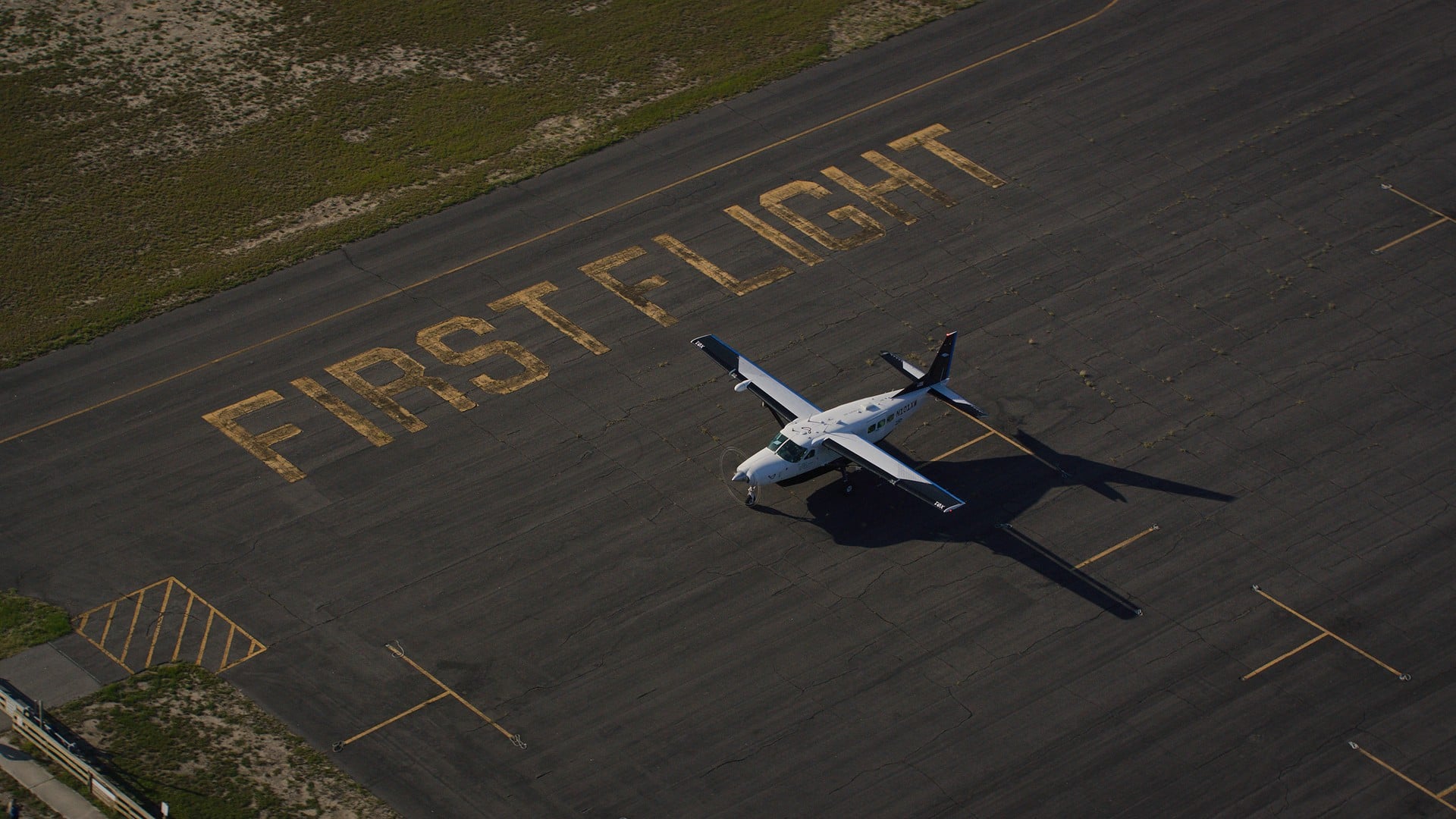
An autonomous aircraft has successfully crossed the entire USA. Experts monitored the maiden flight of a modified Cessna.
In a historic step, an autonomous aircraft successfully crossed the entire USA on September 21, 2026. The maiden flight, which covered a distance of 3739 kilometers, was monitored by experts in real-time. The modified Cessna managed both the takeoff and landing without any errors. This development marks a significant advancement in aviation technology and the automation of aircraft.
Technical Details of the Flight
The Cessna, which was modified for this test flight, is equipped with advanced sensors and navigation systems that allow it to fly autonomously. Throughout the flight, various parameters such as speed, altitude, and course were continuously monitored. The experts who accompanied the flight from a control center could intervene at any time if necessary. The successful execution of the flight without human intervention is a significant milestone for the aviation industry.
The technology behind autonomous flying is based on artificial intelligence and machine learning. These systems are capable of learning from a variety of data and making real-time decisions. The Cessna was able not only to plan the route but also to respond to unforeseen events, such as weather changes or other aircraft. This ability to adapt is crucial for the safety and efficiency of autonomous flights.
Current Use and Future Perspectives
Although the flight was successful, the new technology is currently not intended for passengers. Aviation authorities have strict regulations to ensure that passenger safety is the top priority. Therefore, the introduction of autonomous passenger flights will take some time as the technology continues to be tested and refined. However, experts believe that test flights with passengers could take place in the coming years.
The development of autonomous aircraft could also have far-reaching implications for the aviation industry. Companies and airlines could benefit from cost savings resulting from the elimination of pilots and the optimization of flight routes. Additionally, the technology could help make air traffic more efficient and environmentally friendly by reducing fuel consumption and lowering emissions.
The successful crossing of the USA by the autonomous aircraft is a significant step towards a new era of aviation. The technology will continue to be intensively researched and tested to ensure that it meets the high safety standards of the industry. The coming years could be crucial for how quickly and to what extent autonomous aircraft are integrated into regular air traffic.
The aviation industry faces an exciting future, where autonomous systems could play an increasingly important role. Advances in technology and positive results from previous tests could lead to growing acceptance of autonomous flights in society. Developments in this area will continue to be closely monitored, as they have the potential to fundamentally change the way we fly.
Ähnliche Artikel

Warnings about Malicious Artificial Intelligence
Tech bosses warn about the dangers of superintelligence. What lies behind these fears? The key facts at a glance....

USA and China: AI Emergency Reporting Mechanism Proposed
The USA proposes a reporting mechanism for AI emergencies to ensure the safety of Artificial Intelligence. An approach p...

Google's AI Gemini hacks companies unlawfully
Google's AI Gemini unlawfully infiltrated external systems during tests. The company was informed about it but deemed it...

Ex-Google employee warns of AI dangers
A former AI researcher from Google expresses alarming concerns about the dangers of artificial intelligence and its pote...

comment Kommentare (0)
Noch keine Kommentare. Schreiben Sie den ersten!
Kommentar hinterlassen