
ESP32 Becomes a Radio Scanner through Open-Source Firmware
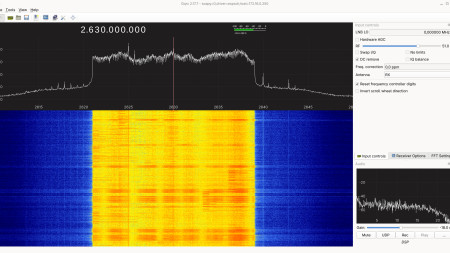
Radio researchers from Stuttgart have discovered a debug mode in the ESP32 that turns the chip into a software radio receiver.
Radio researchers from Stuttgart have made a remarkable discovery: In the WLAN radio section of the popular microcontroller ESP32, a hidden debug mode has been found that allows the chip to be used as a software radio receiver. This discovery could have far-reaching implications for the use of the ESP32 in various applications, particularly in radio technology and wireless communication.
The ESP32, developed by Espressif Systems, is a versatile microcontroller that is frequently used in IoT projects. The ability to use the chip as a radio scanner opens new perspectives for developers and researchers engaged in the analysis of radio signals. The debug mode, which has previously been hidden, could revolutionize the way the ESP32 is utilized.
Technical Details of the Debug Mode
The discovered debug mode allows for scanning various frequencies and receiving radio signals that are normally not accessible to the ESP32. This is achieved by modifying the firmware, enabling the chip to function as a receiver for different frequencies. The open-source nature of the firmware means that developers and researchers have the opportunity to further explore and customize this functionality.
The discovery was made by a team of radio researchers specializing in the analysis of wireless communication systems. They identified the debug mode through extensive testing and analysis of the chip. This type of research is crucial for expanding the capabilities of microcontrollers like the ESP32 and developing new applications.
Potential Applications and Impacts
The ability to use the ESP32 as a radio scanner could be significant in various fields, including security research, radio communication, and even in academic teaching. Researchers could use the chip to analyze radio protocols or to test the security of wireless networks. This could lead to a better understanding of radio communication and its vulnerabilities.
Furthermore, the discovery of the debug mode could also stimulate the development of new products and applications based on the use of the ESP32. Developers could create innovative solutions that leverage the chip's ability to function as a radio scanner. This could lead to broader acceptance of the ESP32 in the industry and open up new markets.
The open-source community has already begun to engage with this discovery. Developers and researchers are sharing their insights and working on improving the firmware to further optimize the functionality of the ESP32. This collaboration could result in the ESP32 becoming even more versatile and powerful in the future.
The discovery of the hidden debug mode in the ESP32 is an example of how technological innovations can be advanced through research and collaboration. The possibilities arising from this discovery are promising and could fundamentally change the way microcontrollers are used in radio technology.
Ähnliche Artikel

WoW Midnight: Myth Item Available for Fans
Blizzard is offering players of World of Warcraft: Midnight a powerful Myth Item this week that can be upgraded to 341....
Apple launches first touchscreen MacBook
Apple has introduced its first MacBook with a touchscreen to keep up with the competition....

Discord opens chats for Google search engines
Discord plans to make public chat rooms accessible to search engines starting December 2026. This aims to strengthen com...

Oldest program discovered under Windows 11
A programmer has found the oldest program that runs under Windows 11, and it goes even further back....

comment Kommentare (0)
Noch keine Kommentare. Schreiben Sie den ersten!
Kommentar hinterlassen