
EU Regulation Affects Neobrokers: Changes for Trade Republic
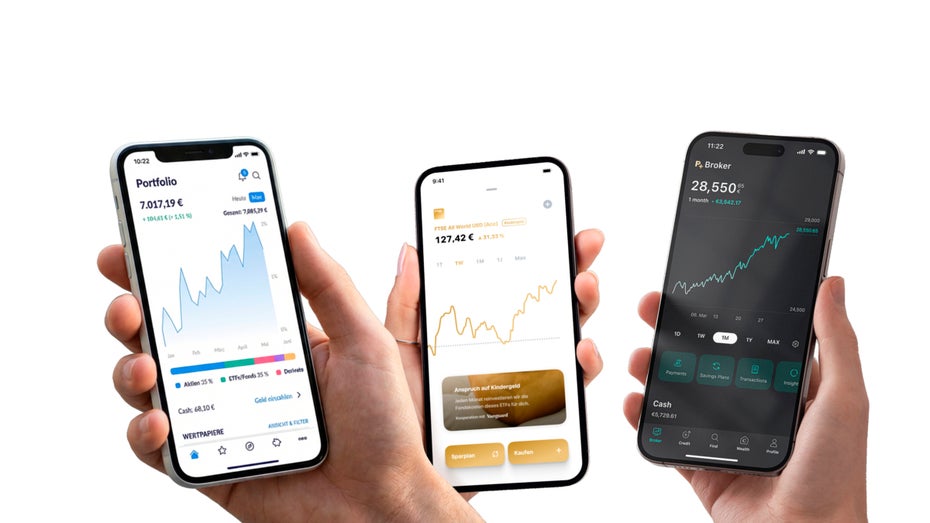
New EU regulations call into question the business model of neobrokers like Trade Republic. The impact on stock trading is significant.
The neobroker industry is facing a fundamental change as new EU regulations come into effect that threaten the business model of companies like Trade Republic and Scalable Capital. These brokers have gained millions of customers in recent years through commission-free stock trading. However, the upcoming changes could significantly impact the way these platforms operate.
Background of the Regulation
The EU has decided to introduce stricter regulations for the financial sector to strengthen consumer protection and ensure market integrity. These new regulations aim to increase transparency in trading and ensure that brokers treat their customers fairly. In particular, the focus is on the disclosure of costs and fees that are often not immediately apparent to users.
A central element of the new regulation is the obligation for brokers to disclose their revenues from trading. This particularly concerns the so-called "order flow payments" that brokers receive from trading venues when they route their customers' orders. This practice has been controversial in the past, as it can potentially lead to conflicts of interest.
Impact on Neobrokers
The neobrokers, which have distinguished themselves with a business model without trading fees, now need to adapt to the new regulations. Trade Republic and similar platforms may be forced to rethink their pricing structures to meet the new requirements. This could lead to some of the previous advantages for customers, such as commission-free trading, being restricted.
Adapting to the new regulations could also bring additional costs for the neobrokers. These companies may need to invest in compliance systems to ensure they meet the new requirements. This could negatively impact profit margins, which have been supported in the past by the volume-based business model of the brokers.
The reactions of neobrokers to the upcoming changes are mixed. While some companies have already taken steps to prepare for the new regulations, others show signs of uncertainty. The industry is closely monitoring how the regulatory framework develops and what concrete impacts it will have on the business model.
The new EU regulations could also impact the competitive landscape in the financial sector. Traditional banks and brokers, which already have established compliance structures, may be in a better position to adapt to the new requirements. This could lead to further consolidation in the market, as smaller neobrokers may struggle to meet the new standards.
The EU regulations come into effect in a context where stock trading is becoming increasingly digitized and more people are entering the financial market. Neobrokers have significantly contributed to the democratization of trading in recent years by facilitating access to financial instruments. However, the new regulations could change the dynamics of this development.
The exact impact of the new regulations on neobrokers will only become apparent over time. The industry is facing a phase of uncertainty in which the adaptability of companies to the new challenges will be tested. The coming months will be crucial to observe how neobrokers adjust to the regulatory changes.
Ähnliche Artikel

Maincubes opens first construction phase of FRA03
Maincubes has commissioned the first phase of its new data center FRA03 in Frankfurt. The second expansion stage is plan...

Google presents the Pixel 11 smartphones
The new Pixel 11 family from Google brings numerous technical upgrades and new models to the market....
Direct Current Grids: The Future of Energy Supply
Direct current grids are gaining importance due to digitalization and renewable energies. New technologies support their...

Google's Pixel 11 Series: Minor Updates, High Prices
Google's new Pixel 11 series brings only a few innovations and higher prices for the models. The cheaper variants are be...

comment Kommentare (0)
Noch keine Kommentare. Schreiben Sie den ersten!
Kommentar hinterlassen