
EU-US-Datenpakt: Herausforderungen für IT-Abteilungen
Der Wegfall eines US-Urteils zwingt europäische Unternehmen zur Suche nach Alternativen zu Microsoft. IT-Abteilungen stehen vor neuen Herausforderungen.
Am 18. August 2026 stehen europäische Unternehmen vor einer entscheidenden Herausforderung: Der Wegfall eines US-Urteils hat den EU-US-Datenpakt erheblich beeinträchtigt. Diese Entwicklung zwingt IT-Abteilungen dazu, sich intensiver mit der digitalen Souveränität auseinanderzusetzen und nach Alternativen zu Microsoft zu suchen. Die Unsicherheiten rund um den Datenschutz und die Datenübertragung zwischen den USA und Europa haben die Dringlichkeit dieser Thematik erhöht.
Die Auswirkungen des US-Urteils
Das Urteil, das eine zentrale Säule des EU-US-Datenpakts entzieht, hat weitreichende Konsequenzen für Unternehmen, die auf Cloud-Dienste angewiesen sind. Viele Firmen, die bisher Microsoft-Dienste genutzt haben, müssen nun ihre Strategien überdenken. Die Unsicherheit über die rechtlichen Rahmenbedingungen für die Datenübertragung hat dazu geführt, dass Unternehmen ihre Datenverarbeitungsprozesse anpassen müssen, um den europäischen Datenschutzbestimmungen gerecht zu werden.
IT-Abteilungen sehen sich mit der Herausforderung konfrontiert, bestehende Systeme zu migrieren und neue Lösungen zu implementieren. Die Suche nach europäischen Alternativen zu Microsoft-Produkten wird zunehmend dringlicher. Unternehmen müssen sicherstellen, dass ihre Daten innerhalb der EU bleiben und den strengen Datenschutzanforderungen entsprechen.
Migration und digitale Souveränität
Die Migration zu europäischen Alternativen erfordert eine sorgfältige Planung und Umsetzung. IT-Abteilungen müssen die bestehenden Systeme analysieren und bewerten, welche Daten und Anwendungen migriert werden können. Dabei spielt die digitale Souveränität eine zentrale Rolle, da Unternehmen sicherstellen möchten, dass sie die Kontrolle über ihre Daten behalten.
Einige Unternehmen haben bereits begonnen, ihre Daten in europäische Rechenzentren zu verlagern, um den neuen Anforderungen gerecht zu werden. Diese Migration kann jedoch zeitaufwendig und kostspielig sein, weshalb eine strategische Herangehensweise notwendig ist. Die IT-Abteilungen müssen eng mit den Fachabteilungen zusammenarbeiten, um die spezifischen Anforderungen und Herausforderungen zu identifizieren.
Die Suche nach geeigneten Alternativen zu Microsoft-Produkten ist nicht nur eine technische Herausforderung, sondern auch eine Frage der Unternehmensstrategie. Unternehmen müssen abwägen, welche Lösungen am besten zu ihren Bedürfnissen passen und gleichzeitig die Anforderungen an den Datenschutz erfüllen. Die Entscheidung für eine europäische Alternative kann langfristige Vorteile in Bezug auf Compliance und Datensicherheit bieten.
Die Entwicklungen im Bereich der digitalen Souveränität und der Datenschutzbestimmungen werden auch in den kommenden Jahren von großer Bedeutung sein. Unternehmen, die proaktiv handeln und sich auf die Veränderungen einstellen, können sich einen Wettbewerbsvorteil verschaffen. Die IT-Abteilungen spielen dabei eine Schlüsselrolle, indem sie die notwendigen Anpassungen vorantreiben und die digitale Transformation unterstützen.
Die Herausforderungen, die sich aus dem Wegfall des EU-US-Datenpakts ergeben, sind komplex und erfordern eine umfassende Strategie. Unternehmen müssen sich auf die neuen Gegebenheiten einstellen und ihre IT-Infrastruktur entsprechend anpassen. Die Suche nach europäischen Alternativen zu Microsoft wird in den kommenden Jahren ein zentrales Thema für viele Unternehmen sein.
Ähnliche Artikel
Dell warnt vor kritischen CSM-Sicherheitslücken
Dell hat zwei schwerwiegende Sicherheitsanfälligkeiten in seinen Container Storage Modules (CSM) behoben, die für Kubern...
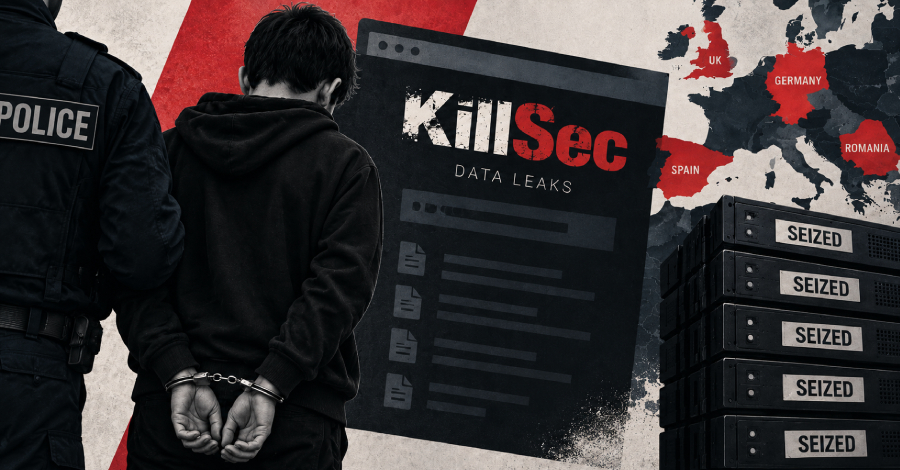
16-Jähriger wegen KillSec-Ransomware verhaftet
In Spanien wurde ein 16-Jähriger festgenommen, der verdächtigt wird, die KillSec-Ransomware-Gruppe geleitet zu haben. Di...

Microsoft warnt vor KI-Vorteilen für Cyberkriminelle
Microsoft hebt hervor, dass Cyberkriminelle durch KI-Technologien schneller Fortschritte machen als Sicherheitskräfte....

Datenleck bei Minecraft: Millionen Spieler betroffen?
Ein Datenleck betrifft angeblich bis zu 18 Millionen Minecraft-Spieler. Was bedeutet das für die Nutzer und welche Schri...

comment Kommentare (0)
Noch keine Kommentare. Schreiben Sie den ersten!
Kommentar hinterlassen