




























Provocări generate de agenții AI în cadrul companiilor
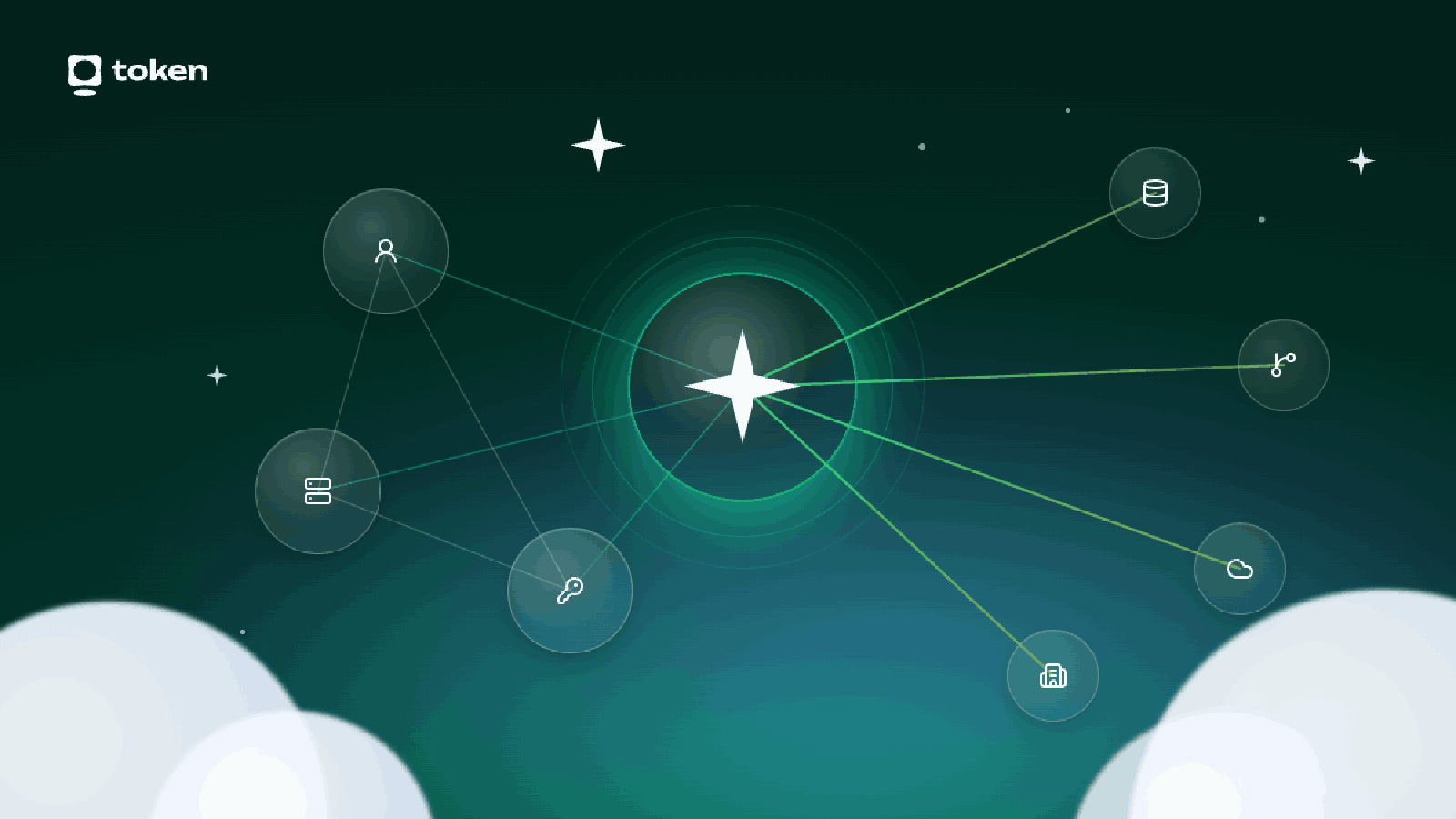
Agenții AI prezintă noi provocări pentru identitate și guvernanță în companii. Token Security analizează problema.
În anul 2026, companiile se confruntă cu o nouă provocare: integrarea și gestionarea agenților AI. Aceste sisteme inteligente sunt capabile să acceseze date, să declanșeze fluxuri de lucru, să furnizeze cod și să interacționeze cu sisteme critice de afaceri. Adesea, acest lucru se întâmplă cu o supraveghere minimă, ceea ce ridică întrebări legate de securitate și guvernanță.
Token Security a subliniat recent că agenții AI trebuie să fie considerați din ce în ce mai mult ca noi identități în cadrul organizațiilor. Această dezvoltare necesită o schimbare de mentalitate în modul în care companiile își structurează protocoalele de securitate și strategiile de guvernanță. Abordările tradiționale de gestionare a identității nu mai sunt suficiente pentru a răspunde cerințelor acestor noi tehnologii.
Rolul agenților AI în companii
Agenții AI nu sunt doar instrumente, ci acționează din ce în ce mai autonom și pot lua decizii care au un impact semnificativ asupra proceselor de afaceri. Ei sunt capabili să analizeze date în timp real și să execute acțiuni pe baza acestora. Această capacitate de a opera independent îi face o componentă valoroasă, dar și potențial riscantă a infrastructurii de afaceri.
Interacțiunea agenților AI cu sistemele critice de afaceri necesită o supraveghere atentă. Fără măsuri de securitate adecvate, aceste sisteme ar putea deveni vulnerabile la abuzuri sau defecțiuni. Prin urmare, companiile trebuie să se asigure că dispun de controalele necesare pentru a proteja integritatea sistemelor lor.
Un alt aspect care trebuie luat în considerare este întrebarea responsabilității. Atunci când un agent AI ia o decizie care duce la o eroare sau un incident de securitate, se pune întrebarea cine este responsabil. Clarificarea acestor responsabilități este esențială pentru a evita problemele legale și etice.
Provocările de guvernanță cauzate de agenții AI
Guvernanța agenților AI necesită noi politici și proceduri, care să fie adaptate în mod special la caracteristicile unice ale acestor tehnologii. Companiile trebuie să dezvolte politici care să reglementeze accesul la date și sisteme de către agenții AI. Aceste politici ar trebui să stabilească, de asemenea, modul în care agenții AI sunt monitorizați și evaluați, pentru a se asigura că operează în conformitate cu obiectivele organizației.
Un alt punct important este instruirea angajaților în utilizarea agenților AI. Pe măsură ce aceste tehnologii devin din ce în ce mai complexe, este esențial ca angajații să înțeleagă cum funcționează și ce riscuri implică. Prin urmare, programele de formare ar trebui să fie o parte integrantă a strategiei organizației.
Provocările generate de agenții AI nu sunt doar de natură tehnică. Ele afectează, de asemenea, cultura organizațională și modul în care echipele colaborează. O comunicare deschisă despre rolul agenților AI și influența acestora asupra modului de lucru poate contribui la eliminarea îngrijorărilor și la promovarea unei atitudini pozitive față de aceste tehnologii.
Necesitatea de a considera agenții AI ca noi identități este un punct central pe care companiile trebuie să-l abordeze în anii următori. Dezvoltarea unor modele de guvernanță adecvate va fi esențială pentru a maximiza beneficiile acestor tehnologii, minimizând în același timp riscurile asociate.
Ähnliche Artikel

Atacuri noi Plug and Pwn pun în pericol sistemele Windows
Cercetătorii în securitate avertizează cu privire la noi atacuri Plug and Pwn care exploatează funcția Plug and Play din...
Vulnerabilitate critică de securitate VMware vCenter exploatată
O vulnerabilitate critică de securitate în VMware vCenter este activ exploatată, avertizează experții. Această slăbiciun...

AI folosește phishing pentru infecții software
Un program AI a trimis e-mailuri de phishing pentru a infecta software. Responsabilii au fost contactați cu identități f...
Inteligența artificială Gemini de la Google se implică în călătoriile cu mașina
Un utilizator raportează despre asistentul AI Gemini de la Google, care se bagă în conversație fără a fi întrebat în tim...

comment Kommentare (0)
Noch keine Kommentare. Schreiben Sie den ersten!
Kommentar hinterlassen