




IBM dezvoltă CFET-uri pentru procesul de 7 Angstromi
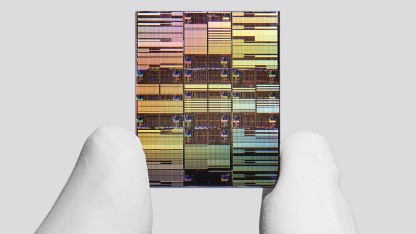
IBM a prezentat un nou proces de fabricație pentru semiconductori cu CFET-uri, care corespunde unui proces de 0,7 nm.
IBM a realizat un progres semnificativ în fabricarea semiconductorilor, dezvoltând primul proces de fabricație industrializabil pentru tranzistori cu CFETs (Complementary FETs). Acest proces inovator ar trebui să corespundă unui proces de 0,7 nm și ar putea crește semnificativ performanța microprocesoarelor și a altor componente semiconductoare. Dezvoltarea este un pas important în miniaturizarea tranzistorilor, care sunt esențiali pentru electronica modernă.
CFETs sunt o arhitectură de tranzistor nouă, care combină atât tranzistori cu canal n, cât și tranzistori cu canal p într-un singur element. Această tehnologie permite o eficiență și o performanță mai mari, având în același timp un spațiu mai mic. IBM a extins posibilitățile tehnologiei semiconductorilor cu această dezvoltare și ar putea pune astfel bazele pentru generațiile viitoare de microprocesoare.
Inovații tehnologice în industria semiconductorilor
Industria semiconductorilor se confruntă cu provocarea de a satisface cerințele în continuă creștere pentru puterea de calcul și eficiența energetică. Odată cu introducerea procesului de 7 Angstrom, IBM ar putea oferi o soluție care nu doar îmbunătățește performanța, ci și reduce consumul de energie. Aceste progrese sunt esențiale pentru a răspunde cerințelor generației următoare de aplicații, cum ar fi Inteligența Artificială și Internetul Lucrurilor.
Noua tehnologie de fabricație a IBM ar putea avea, de asemenea, un impact asupra întregii industrii. Companiile care activează în domeniul fabricării semiconductorilor ar putea fi nevoite să își reconsidere și să își adapteze metodele de producție pentru a rămâne competitive. Introducerea CFETs ar putea duce la o schimbare de paradigmă în modul în care tranzistorii sunt utilizați în electronică.
IBM a anunțat deja că noua tehnologie va fi utilizată în producție în următorii ani. Acest lucru ar putea însemna că primele produse bazate pe această tehnologie ar putea ajunge pe piață în viitorul apropiat. Dezvoltarea este considerată de mulți experți un pas decisiv în evoluția tehnologiei semiconductorilor.
Impact asupra industriei electronice
Introducerea procesului de 7 Angstrom ar putea îmbunătăți nu doar performanța microprocesoarelor, ci și să stimuleze dezvoltarea de noi aplicații și dispozitive. Cu o densitate mai mare de tranzistori, producătorii pot dezvolta produse mai puternice și mai eficiente din punct de vedere energetic, care să răspundă cerințelor consumatorilor. Acest lucru ar putea fi deosebit de important în domenii precum dispozitivele mobile, centrele de date și tehnologia auto.
Progresele în fabricarea semiconductorilor sunt, de asemenea, importante pentru cercetare și dezvoltare. Oamenii de știință și inginerii pot utiliza noile tehnologii pentru a dezvolta soluții inovatoare care depășesc posibilitățile actuale. Acest lucru ar putea duce la descoperiri în diverse domenii, de la tehnologia medicală până la explorarea spațială.
IBM s-a stabilit în ultimii ani ca un lider în tehnologia semiconductorilor. Cu dezvoltarea CFETs și a procesului de 7 Angstrom, compania stabilește noi standarde în industrie. Capacitatea de a stivui tranzistori pe un spațiu atât de mic ar putea extinde semnificativ limitele a ceea ce este posibil în electronică.
Noua tehnologie se așteaptă să schimbe, de asemenea, peisajul competitiv din industria semiconductorilor. Companiile care sunt capabile să adapteze aceste noi metode de fabricație ar putea obține un avantaj decisiv. Dezvoltarea CFETs ar putea astfel să influențeze nu doar dezvoltarea produselor, ci și deciziile strategice ale companiilor din industrie.
Ähnliche Artikel

Seria Pixel-11 de la Google: Actualizări mici, prețuri mari
Noua serie Pixel-11 de la Google aduce doar câteva noutăți și prețuri mai mari pentru modele. Variantele mai ieftine dis...

Comisar european critică gigantii tehnologici pentru criza migrației
Henna Virkkunen învinovățește Meta și TikTok pentru criza migrației. Informațiile false ar fi contribuit la trecerea fro...
Microsoft crește prețurile pentru licențele Windows
Producătorii de PC-uri trebuie să plătească prețuri mai mari pentru licențele Windows, ceea ce pune și mai multă presiun...
New Relic lansează un program de sprijin pentru startup-uri
New Relic a lansat un nou program care oferă startup-urilor acces gratuit la platforma de observabilitate....

comment Kommentare (0)
Noch keine Kommentare. Schreiben Sie den ersten!
Kommentar hinterlassen