
Identity blind spots jeopardize security operations
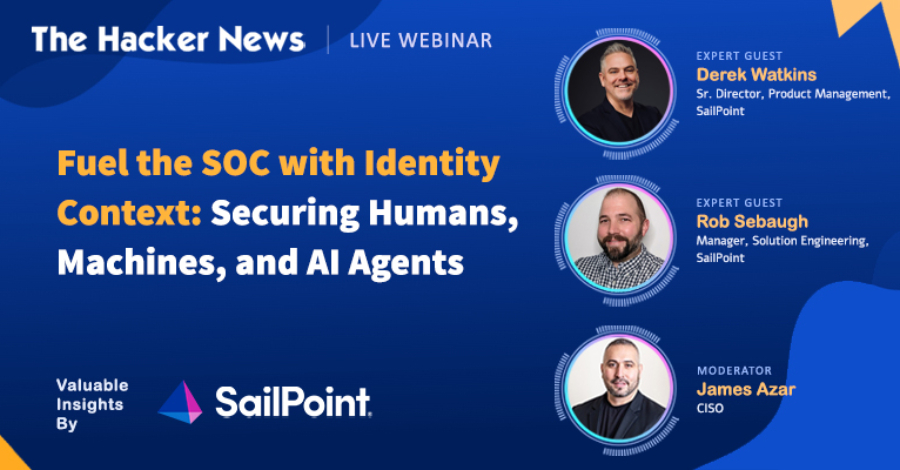
A webinar highlights how identity blind spots endanger security operations and what measures are necessary to close them.
In a recently held webinar titled "See How Identity Blind Spots Put Your SOC at Risk and How to Close Them," the growing challenge for security teams was addressed. Despite a multitude of alerts, logs, and monitoring tools, a central question often remains unanswered: Who or what is behind a particular activity, and what resources can be accessed?
The speakers of the webinar pointed out that the complexity of modern IT environments makes it difficult to analyze security incidents. A suspicious login could come from an employee, while an unusual API call might originate from a machine account. These uncertainties increase the risk that attacks go undetected or are not contained in time.
The Role of AI and Machine Accounts
Another critical point raised in the webinar is the use of Artificial Intelligence (AI) in enterprise systems. AI agents can access sensitive systems and utilize permissions that may not be adequately monitored. This type of access can lead to significant security risks, especially when the identity of the accessing agent cannot be clearly identified.
The speakers emphasized that monitoring and analyzing identities is essential in today's world. Security teams must be able to distinguish between legitimate and potentially harmful activities. This requires not only technical solutions but also a strategic approach to identity management.
A central element of the discussion was the necessity to close identity blind spots. These blind spots often arise from insufficient visibility and control over user and machine identities. Security Operations Centers (SOC) must therefore take proactive measures to identify and address these gaps.
Strategies to Improve Visibility
To improve visibility, experts recommend conducting a comprehensive inventory of all identities and their access rights. This includes both human users and automated systems. Regularly reviewing and updating these permissions can help identify potential security risks early.
Additionally, the importance of training for employees was highlighted. Security teams should ensure that all employees are aware of the risks of identity blind spots and know how to report suspicious activities. An informed workforce can serve as an important first line of defense against cyberattacks.
The webinar also made it clear that integrating identity management into a company's security strategy is crucial. Companies should ensure that their security solutions are capable of monitoring and analyzing identities in real time. This can help detect and respond to attacks more quickly.
The discussion about identity blind spots and their impact on security operations is particularly relevant at a time when cyberattacks are becoming increasingly sophisticated. Companies must be aware of the challenges associated with managing identities and take appropriate measures to protect their systems.
Ähnliche Artikel
CISA warns of vulnerability in UnrealIRCd
CISA has discovered a critical vulnerability in UnrealIRCd that is being actively exploited. The flaw allows for server-...

Artemis 2 affects GPS due to ionospheric changes
The lunar mission Artemis 2 has caused unexpected effects on GPS signals due to changes in the ionosphere....

PostgreSQL fixes 52 security vulnerabilities
A critical bug in PostgreSQL allows users to execute code on the server. Updates have been released to close this and ot...
Critical Security Vulnerability Discovered in Apache HTTP Server
A serious vulnerability in the HTTP/2 module of the Apache HTTP Server allows attackers to execute code remotely....
comment Kommentare (0)
Noch keine Kommentare. Schreiben Sie den ersten!
Kommentar hinterlassen