
Innovative Method for Plastic Waste Recycling
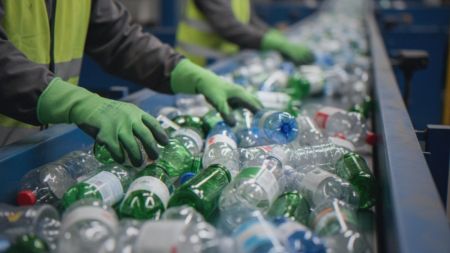
Researchers are developing a method to break down plastic waste into hydrogen and other chemicals using sunlight.
Scientists have developed a groundbreaking method that allows plastic waste to be broken down into hydrogen and other useful chemicals using sunlight. This innovative technology could make a significant contribution to solving the global plastic waste problem while promoting sustainable energy sources. The method harnesses the energy of the sun to initiate chemical reactions that decompose plastic waste into its basic components.
The researchers working on this project have found that converting plastic into hydrogen is not only environmentally friendly but can also be economically viable. Hydrogen is considered a clean energy carrier that can be used in various industries, including energy generation and mobility. By utilizing sunlight for energy production, the process is also made sustainable.
Technical Details of the Method
The method is based on the use of special solar panels capable of converting light energy into chemical energy. These solar panels are equipped with catalysts that enable the breakdown of plastic waste into hydrogen and other chemical compounds. The researchers have tested various types of plastic to maximize the efficiency of the method and achieve the best results.
An important aspect of the research is the selection of suitable catalysts that accelerate the chemical reactions. The scientists have discovered that certain materials can significantly improve the decomposition of plastic waste. These findings could lead to the method becoming even more effective in practice and finding broader applications.
Environmental Impact and Potential
The environmental impacts of the method are promising. By converting plastic waste into hydrogen, not only is waste reduced, but a clean energy source is also created. This could help reduce dependence on fossil fuels and lower CO2 emissions. The researchers emphasize that the technology has the potential to be implemented on a large scale to address the challenges of plastic pollution.
The development of this technology could also bring economic benefits. The production of hydrogen from plastic waste could create new business opportunities and promote jobs in the green technology sector. The researchers are working to further optimize the method to reduce costs and increase efficiency.
Currently, the researchers are in the pilot testing phase to assess the feasibility of the method under real-world conditions. Initial results show that the technology is promising and has the potential to significantly impact waste management and energy production. The next steps include scaling the method and collaborating with industry partners to implement the technology in practice.
The research on this method is supported by various institutions and companies interested in sustainable solutions to the plastic problem. The results could benefit not only the environment but also society as a whole by showcasing new ways of energy generation and waste recycling.
Ähnliche Artikel
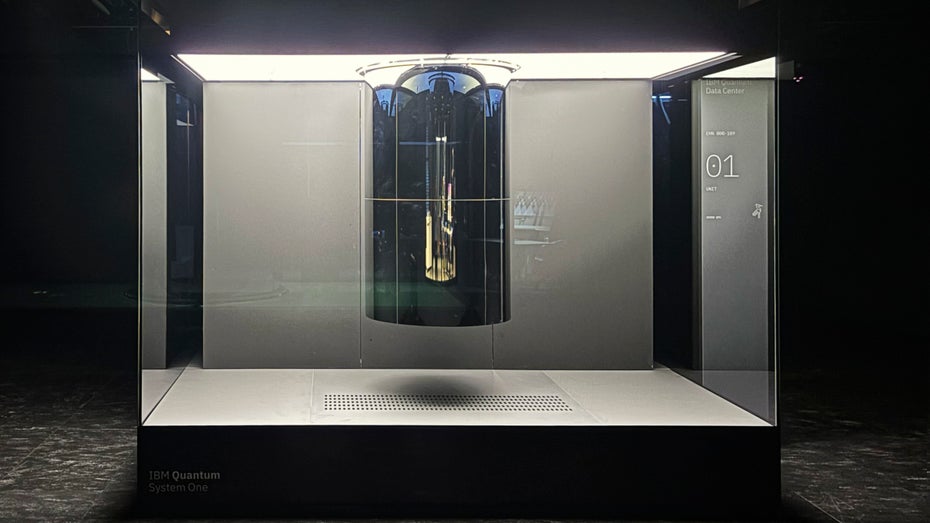
IBM Achieves Breakthrough in Nuclear Fusion with Quantum Computers
IBM has demonstrated a significant proof of concept for nuclear fusion with a quantum-centric supercomputer....

Ukraine develops electric motorcycle for frontline use
Ukraine has developed a silent electric motorcycle for frontline use, equipped with a range extender....

Future of Data Storage: New Technologies in Focus
Innovative storage media are set to secure data archives for centuries. The podcast Bit-Rauschen highlights current deve...

Optimize Thermal Storage for Data Center Waste Heat
Thermal storage enables flexible use of waste heat from data centers and creates new opportunities for heating networks....

comment Kommentare (0)
Noch keine Kommentare. Schreiben Sie den ersten!
Kommentar hinterlassen