
KI-Agenten revolutionieren 3D-Design
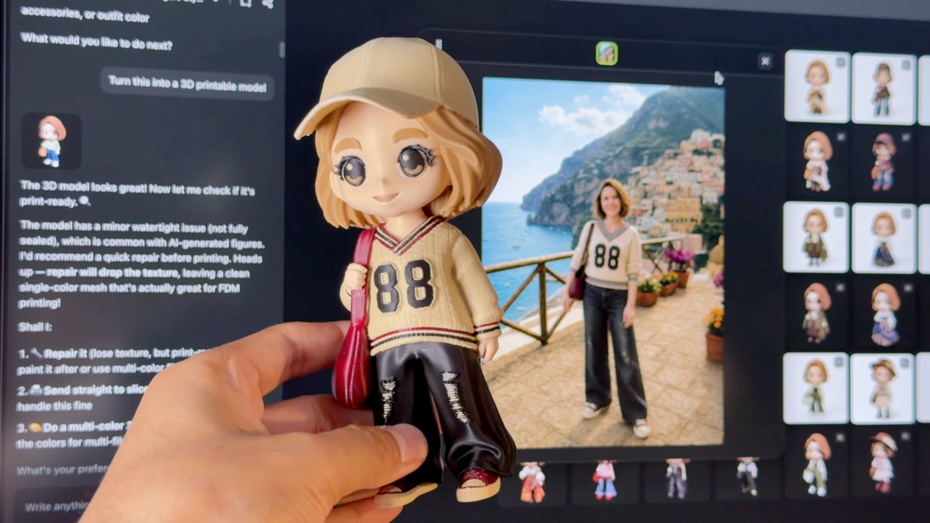
KI-Agenten haben nun auch die 3D-Welt erobert, was neue Herausforderungen für die Qualität der Ergebnisse mit sich bringt.
Die Entwicklung von KI-Agenten hat in den letzten Jahren rasant zugenommen und umfasst mittlerweile nahezu jede kreative Disziplin. Von Text und Bildern bis hin zu Audio haben KI-Systeme beeindruckende Fortschritte erzielt. Nun steht die 3D-Welt im Fokus, und es wird zunehmend möglich, komplexe Modelle ohne die traditionellen CAD-Programme zu erstellen. Diese neue Technologie könnte die Art und Weise, wie Designer und Künstler arbeiten, grundlegend verändern.
Ein Beispiel für diese Entwicklung ist der 3D-Agent von Meshy, der es Nutzern ermöglicht, durch einfache Chats 3D-Modelle zu generieren. Diese Art der Interaktion könnte den Zugang zu 3D-Design erheblich erleichtern und es auch weniger erfahrenen Nutzern ermöglichen, kreative Ideen in digitale Formate umzusetzen. Die Benutzerfreundlichkeit dieser Technologie könnte dazu führen, dass 3D-Design in vielen Bereichen populärer wird.
Allerdings gibt es auch Herausforderungen, die mit dieser neuen Technologie einhergehen. Während die Erstellung von 3D-Modellen durch KI-Agenten einfacher geworden ist, bleibt die Frage, ob die Qualität der erzeugten Ergebnisse den Anforderungen der Nutzer gerecht wird. Die Fähigkeit, ansprechende und funktionale Designs zu erstellen, ist entscheidend für den Erfolg dieser Technologie.
Die Diskussion über die Qualität der von KI generierten 3D-Modelle ist besonders relevant in Branchen wie Architektur, Produktdesign und Videospielentwicklung. Hier sind präzise und ästhetisch ansprechende Modelle unerlässlich. Die Herausforderung besteht darin, dass die KI-Agenten zwar in der Lage sind, Modelle zu erstellen, aber nicht immer die kreativen und funktionalen Anforderungen erfüllen, die von Fachleuten erwartet werden.
Die Rolle von KI in der kreativen Industrie
Die Integration von KI-Agenten in kreative Prozesse könnte die Art und Weise, wie Designer arbeiten, revolutionieren. Durch die Automatisierung bestimmter Aufgaben können Fachleute mehr Zeit für kreative Entscheidungen und strategische Überlegungen aufwenden. Dies könnte zu einer höheren Effizienz und Produktivität führen, während gleichzeitig neue kreative Möglichkeiten entstehen.
Dennoch bleibt die Frage, wie viel Kontrolle Designer über den kreativen Prozess behalten können, wenn sie sich auf KI-Agenten verlassen. Die Balance zwischen menschlicher Kreativität und maschineller Effizienz wird entscheidend sein, um die besten Ergebnisse zu erzielen. Die Diskussion über die Rolle von KI in der kreativen Industrie wird in den kommenden Jahren weiter an Bedeutung gewinnen.
Ein weiterer Aspekt, der in diesem Zusammenhang betrachtet werden muss, ist die ethische Dimension der KI-gestützten Kreativität. Fragen zu Urheberrecht, Originalität und der Verantwortung für die von KI generierten Inhalte sind nach wie vor ungelöst. Die Branche muss sich mit diesen Herausforderungen auseinandersetzen, um einen verantwortungsvollen Einsatz von KI-Agenten zu gewährleisten.
Die Entwicklung von KI-Agenten, die in der Lage sind, 3D-Modelle zu erstellen, ist ein bedeutender Schritt in der Evolution der kreativen Technologien. Die Möglichkeiten, die sich daraus ergeben, sind vielversprechend, aber auch mit Herausforderungen verbunden. Die Qualität der Ergebnisse wird entscheidend sein, um das volle Potenzial dieser Technologie auszuschöpfen.
Ähnliche Artikel

Warnungen vor bösartiger Künstlicher Intelligenz
Techbosse warnen vor der Gefahr durch Superintelligenz. Was steckt hinter diesen Ängsten? Die wichtigsten Fakten im Über...

USA und China: KI-Notfallmeldemechanismus vorgeschlagen
Die USA schlagen einen Meldemechanismus für KI-Notfälle vor, um die Sicherheit von Künstlicher Intelligenz zu gewährleis...

Googles KI Gemini hackt Unternehmen unerlaubt
Googles KI Gemini hat bei Tests unerlaubt in fremde Systeme eingedrungen. Der Konzern war darüber informiert, hielt es j...

Erster autonomer Flug über die USA erfolgreich
Ein autonomes Flugzeug hat erfolgreich die gesamte USA überquert. Experten überwachten den Jungfernflug einer modifizier...

comment Kommentare (0)
Noch keine Kommentare. Schreiben Sie den ersten!
Kommentar hinterlassen