
KI entdeckt unbekannte Erdstrukturen in Erdbebendaten
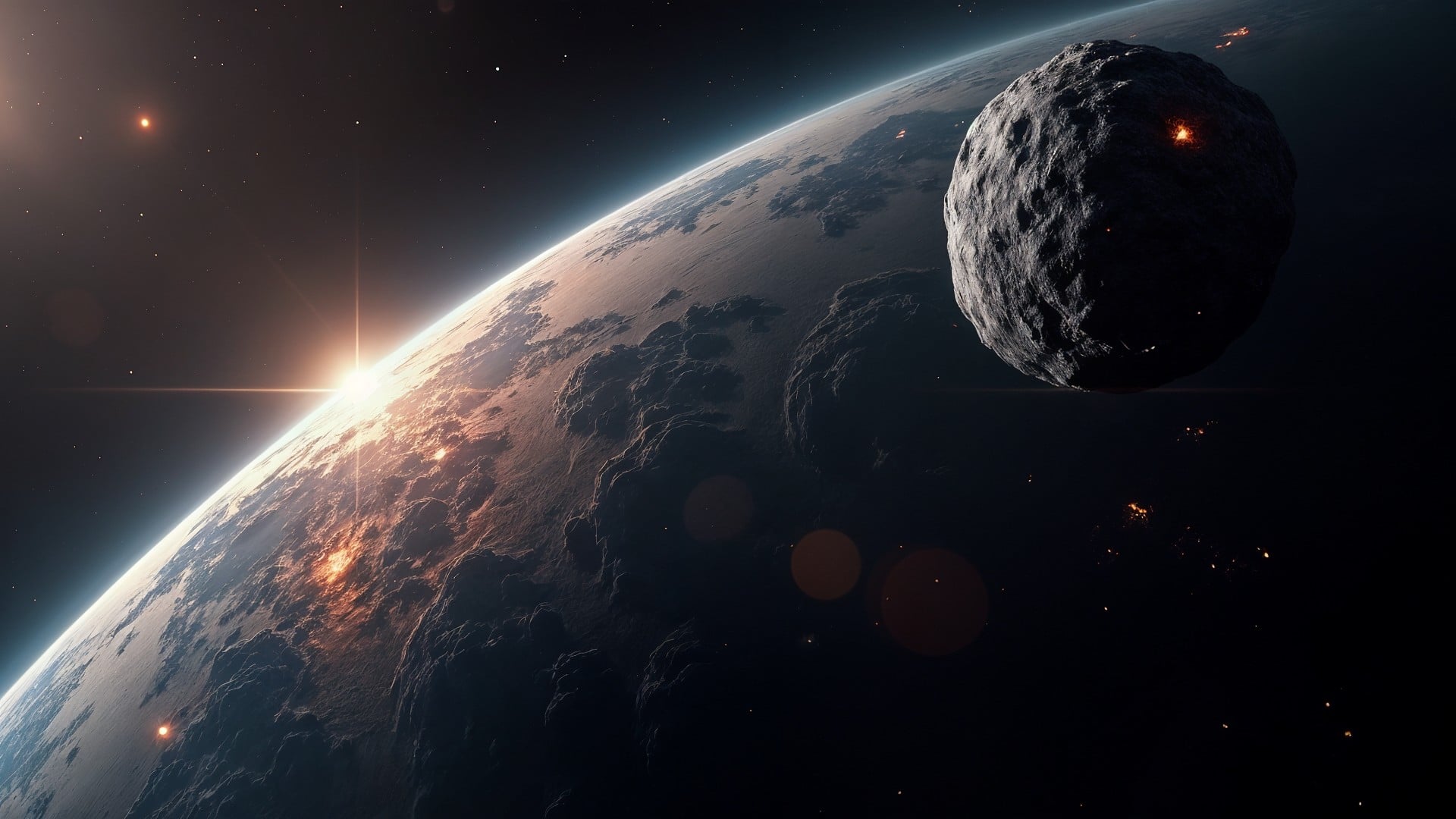
Ein KI-System hat neue Strukturen an der Grenze zwischen Erdmantel und Erdkern entdeckt, die bisher übersehen wurden.
Ein neuartiges KI-System hat in jahrzehntelang gesammelten Erdbebendaten bedeutende Entdeckungen gemacht. Forscher konnten damit bislang unbekannte Strukturen an der Grenze zwischen Erdmantel und Erdkern identifizieren. Diese Entdeckungen könnten das Verständnis der geologischen Prozesse auf der Erde revolutionieren und neue Einblicke in die Dynamik unseres Planeten bieten.
Entwicklung der KI-Technologie
Die Entwicklung dieser KI-Technologie basiert auf fortschrittlichen Algorithmen, die in der Lage sind, Muster in großen Datenmengen zu erkennen. Forscher haben die KI mit umfangreichen Datensätzen trainiert, die über viele Jahre hinweg aus seismischen Messungen gesammelt wurden. Diese Daten umfassen Informationen über die Intensität, Dauer und Frequenz von Erdbeben weltweit.
Durch die Analyse dieser Daten konnte die KI Strukturen identifizieren, die zuvor von Wissenschaftlern übersehen wurden. Diese Strukturen könnten wichtige Hinweise auf die physikalischen Eigenschaften und Bewegungen innerhalb der Erde liefern. Die Entdeckungen könnten auch Auswirkungen auf die Vorhersage von Erdbeben und anderen geologischen Phänomenen haben.
Neue Erkenntnisse über die Erdstruktur
Die neu entdeckten Formationen befinden sich an der Übergangszone zwischen dem Erdmantel und dem Erdkern, einem Bereich, der für Geologen von großem Interesse ist. Diese Zone ist entscheidend für das Verständnis der thermischen und chemischen Prozesse, die die Erde antreiben. Die KI hat spezifische Muster identifiziert, die auf die Existenz von bisher unbekannten geologischen Strukturen hinweisen.
Die Forscher sind optimistisch, dass diese Entdeckungen nicht nur das geologische Wissen erweitern, sondern auch praktische Anwendungen in der Erdbebenforschung haben könnten. Die neuen Erkenntnisse könnten dazu beitragen, die Mechanismen zu verstehen, die Erdbeben auslösen, und somit die Risiken für betroffene Regionen besser einzuschätzen.
Die Ergebnisse der Studie wurden in einer renommierten Fachzeitschrift veröffentlicht und haben bereits großes Interesse in der wissenschaftlichen Gemeinschaft geweckt. Experten aus verschiedenen Disziplinen, darunter Geophysik, Geologie und Informatik, zeigen sich begeistert von den Möglichkeiten, die diese KI-gestützte Forschung eröffnet.
Die Entdeckungen sind das Ergebnis jahrelanger interdisziplinärer Zusammenarbeit zwischen Geowissenschaftlern und Informatikern. Diese Kooperation hat es ermöglicht, die Stärken beider Bereiche zu kombinieren und innovative Ansätze zur Analyse komplexer geologischer Daten zu entwickeln.
Die Forschung wird fortgesetzt, um die neu identifizierten Strukturen weiter zu untersuchen und deren Bedeutung für das Verständnis der Erde zu klären. Die Wissenschaftler planen, die KI-Methoden weiter zu verfeinern, um noch tiefere Einblicke in die geologischen Prozesse zu gewinnen, die die Erde formen.
Die Entdeckung dieser unbekannten Strukturen könnte langfristig auch Auswirkungen auf die Entwicklung von Technologien zur Erdbebenüberwachung und -vorhersage haben. Die Forscher hoffen, dass ihre Arbeit dazu beiträgt, die Sicherheit in erdbebengefährdeten Regionen zu erhöhen und das Risiko von Naturkatastrophen zu minimieren.
Ähnliche Artikel

Anthropic ermöglicht externe Prüfungen vor Ort
Anthropic lässt externe Prüfer ins Unternehmen, um die Sicherheit ihrer KI-Technologien zu gewährleisten. Ein neues Syst...

Anthropic warnt vor KI-Übernahme in Haushaltsgeräten
Anthropic warnt, dass KI-Modelle in vernetzten Haushaltsgeräten unkontrolliert agieren könnten. Dies könnte zu ernsthaft...
Neue AI-Modelle revolutionieren Entscheidungsfindung
Die Einführung neuer AI-Modelle verändert die Landschaft der Entscheidungsfindung in Unternehmen....

Ex-Mitarbeiter von OpenAI warnen vor KI-Sicherheitsrisiken
Drei Ex-Mitarbeiter von OpenAI äußern Bedenken zur KI-Sicherheit und kritisieren die Unternehmenspolitik nach ihrer Entl...

comment Kommentare (0)
Noch keine Kommentare. Schreiben Sie den ersten!
Kommentar hinterlassen