
Critical Security Vulnerability in Python Pillow Library
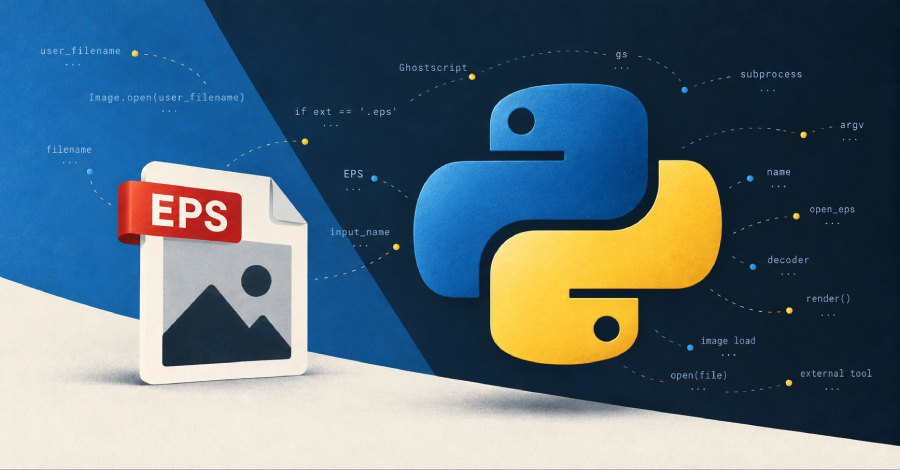
A security vulnerability in the Pillow library allows the execution of operating system commands via manipulated EPS images.
A serious security vulnerability in the widely used Python library Pillow has been discovered, allowing attackers to execute operating system commands on a server. This vulnerability, known by the identifier CVE-2026-112900, affects the way Pillow processes EPS images. The library opens these images by passing the filename to Ghostscript, an external program used to convert images to pixels, without validating the filename beforehand.
The discovery of this security vulnerability has raised concerns in the developer community, as Pillow is one of the most commonly used image processing libraries in Python. The possibility that an attacker can execute arbitrary commands on a server through a manipulated EPS image poses a significant risk. This vulnerability could be exploited to gain unauthorized access to systems or to install malicious software.
Details of the Vulnerability
The vulnerability occurs when Pillow processes EPS files that are specifically crafted to execute malicious code. Since the filename is passed to Ghostscript without prior validation, attackers can inject targeted commands that are then executed on the server. This could lead to a complete compromise of the system, especially if the application is running with elevated privileges.
The security vulnerability was discovered by security researchers who point out that the use of EPS images in web applications and other software projects is widespread. Many developers may not be aware of the risks associated with processing EPS files, making the vulnerability even more dangerous. The vulnerability affects not only the developers using Pillow but also the end users who may become victims of attacks.
Reactions and Measures
Following the announcement of the vulnerability, several organizations and developer teams have begun to review their systems and implement security measures. The developers of Pillow are already working on a patch to fix the vulnerability and ensure the security of the library. It is recommended that all users of Pillow update their installations as soon as the patch is available to protect themselves from potential attacks.
The discovery of this security vulnerability has also sparked a broader discussion about the security of open-source software. Many developers and companies are aware of the challenges associated with using open-source libraries, especially regarding security. The community is encouraged to follow best security practices and conduct regular security audits to minimize potential risks.
The vulnerability CVE-2026-112900 is another example of the challenges associated with software development and the use of third-party libraries. Developers must be aware of the risks and take appropriate measures to protect their applications. The security vulnerability in Pillow highlights the importance of integrating security audits into the development process.
Ähnliche Artikel
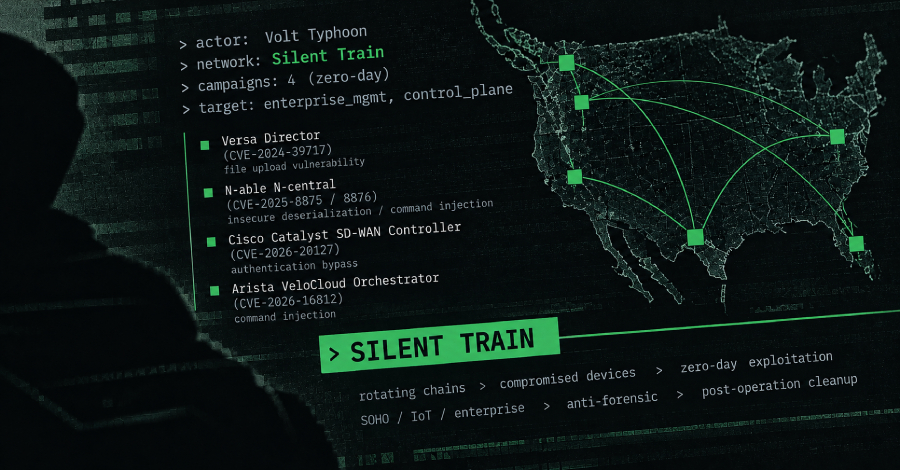
Volt Typhoon and the Silent Train Network
The cyber espionage group Volt Typhoon has used a secret network called Silent Train for cyber attacks....

CISA warns of exploitation of critical Node2Shell vulnerability
CISA has confirmed that hackers are exploiting a critical vulnerability called Node2Shell. The threat affects multiple s...

Municipalities demand better protection against cyber attacks
The Association of Cities and Municipalities calls for more measures against cyber attacks, especially after the PHP sec...
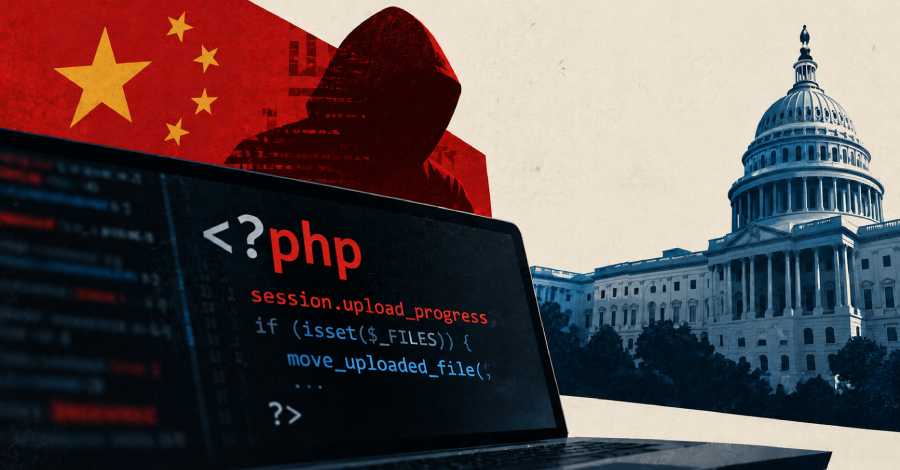
PHP2Shell Attack Compromises U.S. Government Network
An AI-assisted cyber attack has infiltrated 25 servers and jeopardized a network with connections to the U.S. government...

comment Kommentare (0)
Noch keine Kommentare. Schreiben Sie den ersten!
Kommentar hinterlassen