
Laptop-Reparatur: Kunde erhält weniger RAM zurück
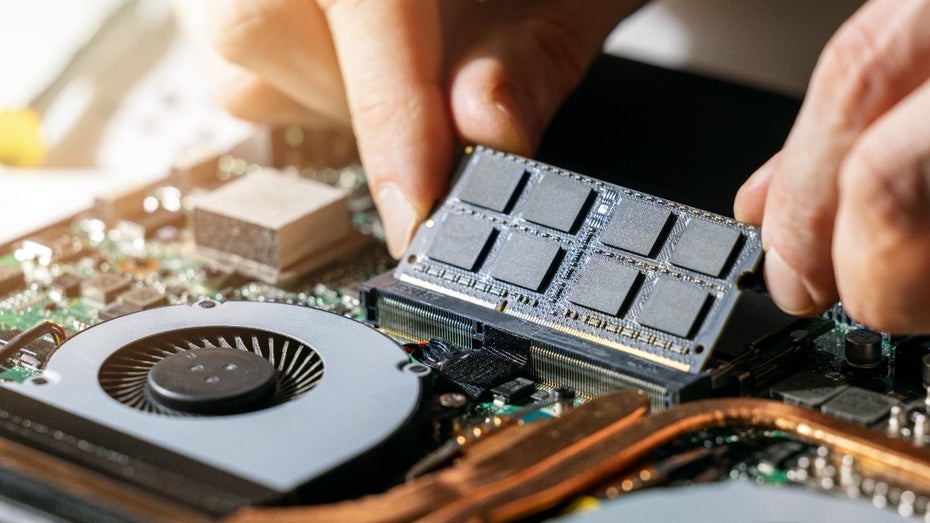
Ein Kunde erhielt seinen Laptop mit weniger RAM zurück, als er eingeschickt hatte. Der Vorfall wirft Fragen zur Reparaturpraxis auf.
Ein Vorfall in den USA sorgt für Aufsehen, nachdem ein Kunde seinen Laptop zur Reparatur eingeschickt hat und ihn mit weniger Arbeitsspeicher zurückerhielt. Der Laptop war ursprünglich mit 64 Gigabyte RAM ausgestattet, doch nach der Reparatur waren nur noch 32 Gigabyte installiert. Dieser Vorfall wirft Fragen zur Transparenz und den Praktiken von Reparaturdiensten auf.
Der Kunde, der anonym bleiben möchte, hatte seinen Laptop aufgrund technischer Probleme zur Reparatur geschickt. Er war sich sicher, dass die Reparaturfirma in der Lage sein würde, das Gerät in seinen ursprünglichen Zustand zurückzuversetzen. Als er das Gerät zurückerhielt, war er jedoch schockiert über die Reduzierung des Arbeitsspeichers.
Die Reparaturfirma erklärte, dass der Arbeitsspeicher möglicherweise während des Reparaturprozesses beschädigt wurde. Der Kunde wurde jedoch nicht über diese Änderung informiert und erhielt auch keine Erklärung, warum der RAM nicht ersetzt wurde. Dies wirft Fragen zur Kommunikation zwischen Reparaturdiensten und ihren Kunden auf.
In der heutigen Zeit, in der Technologie eine zentrale Rolle im Alltag spielt, ist der Verlust von Hardwarekomponenten während einer Reparatur besonders problematisch. Viele Verbraucher verlassen sich auf die Integrität der Reparaturdienste, um ihre Geräte in einem funktionsfähigen Zustand zurückzubekommen. Der Vorfall hat das Vertrauen in solche Dienstleistungen erschüttert.
Reparaturpraktiken unter der Lupe
Der Vorfall hat auch eine breitere Diskussion über die Praktiken in der Reparaturbranche angestoßen. Experten weisen darauf hin, dass es wichtig ist, dass Reparaturdienste transparent über die durchgeführten Arbeiten und die verwendeten Teile informieren. Kunden sollten vor der Reparatur über mögliche Risiken und Änderungen informiert werden, um Missverständnisse zu vermeiden.
Ein weiterer Aspekt, der in diesem Zusammenhang diskutiert wird, ist die Verantwortung der Reparaturdienste. Wenn Teile während einer Reparatur beschädigt werden, sollte der Dienstleister in der Lage sein, dies zu kommunizieren und gegebenenfalls Ersatz anzubieten. Der Kunde in diesem Fall fühlte sich im Dunkeln gelassen und war enttäuscht über den Umgang mit seinem Anliegen.
Die Situation hat auch rechtliche Implikationen. In vielen Ländern gibt es Gesetze, die Verbraucherrechte schützen, insbesondere im Hinblick auf Dienstleistungen und Reparaturen. Der Kunde könnte in Erwägung ziehen, rechtliche Schritte einzuleiten, um eine Entschädigung für den Verlust des Arbeitsspeichers zu erhalten. Solche Fälle könnten auch dazu führen, dass Reparaturdienste ihre Praktiken überdenken und verbessern.
Der Vorfall hat auch die Aufmerksamkeit von Verbraucherschutzorganisationen auf sich gezogen. Diese Organisationen fordern mehr Transparenz und bessere Standards in der Reparaturbranche. Sie betonen, dass Verbraucher das Recht haben, über alle Änderungen an ihren Geräten informiert zu werden, insbesondere wenn es um wesentliche Komponenten wie den Arbeitsspeicher geht.
Der Kunde hat mittlerweile seine Erfahrungen in sozialen Medien geteilt, was zu einer breiten Diskussion über ähnliche Vorfälle geführt hat. Viele Nutzer berichten von vergleichbaren Erfahrungen, bei denen sie nach einer Reparatur weniger Leistung oder fehlende Komponenten in ihren Geräten festgestellt haben. Diese Berichte könnten dazu führen, dass Verbraucher vorsichtiger werden, wenn sie Reparaturdienste in Anspruch nehmen.
Der Vorfall hat auch die Aufmerksamkeit von Medien auf sich gezogen, die über die Herausforderungen und Probleme in der Reparaturbranche berichten. Die Diskussion über die Qualität und Zuverlässigkeit von Reparaturdiensten wird voraussichtlich weiter zunehmen, da immer mehr Verbraucher auf solche Dienstleistungen angewiesen sind.
Ähnliche Artikel

Wyldheart: Neues Koop-Action-RPG für kurze Abenteuer
Das Fantasy-RPG Wyldheart bietet kurze Abenteuer für Spieler mit wenig Zeit und ist jetzt kostenlos testbar....

iPhone Duo: Schneller bestellen mit Fast Lane
Das iPhone Duo kann jetzt schneller über die Fast Lane bei Apple bestellt werden. Hier sind wichtige Informationen zum n...

FritzOS 8.50: Neues Update für FritzBox verfügbar
FritzBox erhält mit FritzOS 8.50 ein umfangreiches Firmware-Update mit neuen Funktionen und Anpassungen....

GTA 6: Entwickler von Rockstar abgelenkt von lebendiger Welt
Die Entwickler von GTA 6 sind von der lebendigen offenen Welt so fasziniert, dass sie stundenlang abgelenkt werden. Die ...

comment Kommentare (0)
Noch keine Kommentare. Schreiben Sie den ersten!
Kommentar hinterlassen