
Lichtverschmutzung aus dem All: Künstlicher Saturnring droht
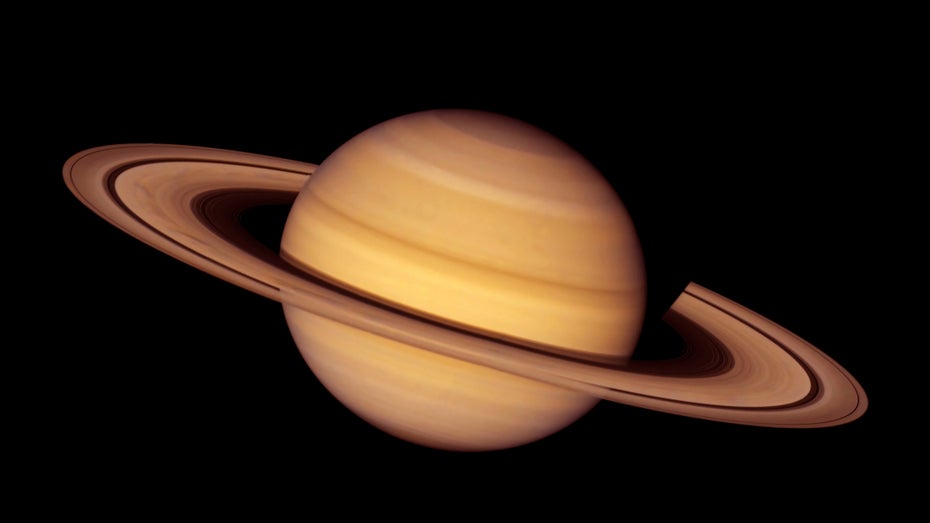
Der Ausbau der Raumfahrt bringt neue Herausforderungen mit sich. Lichtverschmutzung könnte das Erscheinungsbild der Erde im All verändern.
Die rasante Entwicklung der kommerziellen Raumfahrt hat in den letzten Jahren zu einem exponentiellen Anstieg der Satelliten im Erdorbit geführt. Diese Satelliten sind nicht nur für Kommunikations- und Wetterdienste von Bedeutung, sondern auch für die zunehmende Lichtverschmutzung, die sie verursachen. Experten warnen, dass diese Lichtverschmutzung das Erscheinungsbild der Erde aus dem All nachhaltig verändern könnte.
Ein zentrales Problem ist die Reflexion von Sonnenlicht durch die Satelliten, die in der Nacht sichtbar werden und den Nachthimmel erhellen. Diese künstliche Beleuchtung könnte dazu führen, dass die Erde von außen betrachtet wie ein Planet mit einem künstlichen Ring aussieht, ähnlich dem Saturn. Diese Entwicklung könnte nicht nur die Ästhetik des Nachthimmels beeinträchtigen, sondern auch Auswirkungen auf astronomische Beobachtungen und die Tierwelt haben.
Die Auswirkungen auf die Astronomie
Die Lichtverschmutzung durch Satelliten stellt eine ernsthafte Bedrohung für die astronomische Forschung dar. Teleskope, die auf die Beobachtung des Nachthimmels angewiesen sind, könnten durch die Reflexionen der Satelliten gestört werden. Astronomen befürchten, dass die Anzahl der sichtbaren Sterne am Himmel abnehmen könnte, was die wissenschaftliche Arbeit erheblich erschwert.
Ein Beispiel dafür ist das James-Webb-Weltraumteleskop, das empfindlich auf Lichtverunreinigungen reagiert. Die zunehmende Anzahl von Satelliten könnte die Datenqualität beeinträchtigen und die Fähigkeit der Wissenschaftler, das Universum zu erforschen, einschränken. Dies könnte langfristige Folgen für die Astronomie und unser Verständnis des Kosmos haben.
Regulierungsbedarf und Lösungen
Um den Herausforderungen der Lichtverschmutzung entgegenzuwirken, fordern Experten eine stärkere Regulierung der Raumfahrtindustrie. Es gibt bereits Initiativen, die darauf abzielen, die Lichtemissionen von Satelliten zu reduzieren. Einige Unternehmen haben begonnen, spezielle Beschichtungen zu entwickeln, die die Reflexion von Sonnenlicht minimieren sollen.
Darüber hinaus wird diskutiert, ob es sinnvoll wäre, bestimmte Frequenzen oder Höhen für Satelliten zu regulieren, um die Auswirkungen auf den Nachthimmel zu verringern. Die internationale Gemeinschaft steht vor der Herausforderung, einen Konsens zu finden, um die Balance zwischen der Nutzung des Weltraums und dem Schutz des Nachthimmels zu wahren.
Die Diskussion über Lichtverschmutzung ist nicht neu, gewinnt jedoch durch die zunehmende Anzahl von Satelliten an Dringlichkeit. Die Raumfahrtindustrie muss sich der Verantwortung bewusst sein, die sie gegenüber der Erde und der Astronomie hat. Die kommenden Jahre werden entscheidend dafür sein, wie diese Herausforderungen angegangen werden.
Aktuelle Schätzungen gehen davon aus, dass bis 2030 mehr als 100.000 Satelliten im Erdorbit aktiv sein könnten. Diese Zahl verdeutlicht die Dringlichkeit, mit der Lösungen für die Lichtverschmutzung gefunden werden müssen. Die Erde könnte bald nicht nur von der Oberfläche, sondern auch aus dem All betrachtet, ein verändertes Bild präsentieren.
Ähnliche Artikel
Microsoft plant Abschaffung von Windows Deployment Services
Microsoft kündigt die Abschaffung von Windows Deployment Services (WDS) an, beginnend mit der nächsten Windows Server-Ve...
Find the Needle: Automatisierungsspiel begeistert Spieler
Das Automatisierungsspiel Find the Needle hat mit seiner Demo Tausende Spieler in seinen Bann gezogen....

Graveyard Keeper 2 übertrifft Spielerrekorde
Graveyard Keeper 2 startet erfolgreich, übertrifft Spielerrekorde, erhält jedoch gemischtes Feedback von deutschen Fans....

Tipps für schnelles FUT-Münzen verdienen in EA FC 27
Erfahren Sie, wie Sie in EA Sports FC 27 schnell FUT-Münzen verdienen können, ohne Echtgeld auszugeben. Hier sind einige...

comment Kommentare (0)
Noch keine Kommentare. Schreiben Sie den ersten!
Kommentar hinterlassen