

Linux 7.1 con NTFS moderno e FRED rilasciato

La nuova versione di Linux 7.1 porta importanti novità, tra cui un driver NTFS moderno e l'attivazione predefinita di FRED di Intel.
Il 16 giugno 2026 è stata rilasciata l'ultima versione del kernel Linux, Linux 7.1. Questa versione porta con sé importanti novità che sono di interesse sia per gli sviluppatori che per gli utenti finali. In particolare, spicca il nuovo driver NTFS, che offre un supporto migliorato per il file system NTFS. Inoltre, il FRED (Flexible Resource Distribution) di Intel è ora attivato di default, il che dovrebbe aumentare l'efficienza e le prestazioni dei sistemi basati su hardware Intel.
Miglioramenti nel driver NTFS
Il nuovo driver NTFS in Linux 7.1 è stato sviluppato con l'obiettivo di offrire una migliore compatibilità e prestazioni. NTFS, sviluppato da Microsoft, è uno dei file system più utilizzati, in particolare negli ambienti Windows. I miglioramenti nel driver consentono un trasferimento dati più veloce e un utilizzo più stabile delle unità formattate NTFS su Linux. Questo è particolarmente importante per gli utenti che passano regolarmente tra Windows e Linux e dipendono da un'interoperabilità fluida.
Oltre ai miglioramenti delle prestazioni, il nuovo driver NTFS offre anche funzionalità avanzate che consentono agli utenti di gestire più facilmente le partizioni NTFS. Queste includono un supporto migliorato per i permessi dei file e metadati avanzati che consentono una gestione più accurata di file e cartelle. Queste modifiche sono il risultato di ampi test e feedback dalla comunità, che hanno contribuito a ottimizzare l'esperienza utente.
Attivazione del FRED di Intel
Un'altra caratteristica notevole di Linux 7.1 è l'attivazione predefinita del FRED di Intel. FRED è una tecnologia che mira a ottimizzare l'uso delle risorse nei sistemi con processori Intel. Attraverso la distribuzione intelligente delle risorse, FRED può migliorare le prestazioni delle applicazioni riducendo al contempo il consumo energetico. Questo è particolarmente vantaggioso per dispositivi mobili e server che dipendono da un utilizzo efficiente delle risorse.
L'integrazione di FRED nel kernel Linux significa che gli utenti possono beneficiare dei vantaggi di questa tecnologia senza configurazioni aggiuntive. Gli sviluppatori possono contare sul fatto che le loro applicazioni funzioneranno in modo più efficiente, mentre gli utenti finali sperimenteranno un miglioramento delle prestazioni del sistema. La decisione di attivare FRED di default è stata accolta positivamente da molti nella comunità, poiché aumenta ulteriormente la facilità d'uso e le prestazioni dei sistemi basati su Linux.
Un altro aspetto che ha suscitato attenzione nello sviluppo di Linux 7.1 è l'uso dell'Intelligenza Artificiale (IA). Gli sviluppatori hanno utilizzato strumenti basati su IA per ottimizzare il processo di sviluppo e migliorare la qualità del codice. Questo dimostra come le tecnologie moderne vengano integrate nello sviluppo software per creare prodotti più efficienti e stabili. L'uso dell'IA nello sviluppo potrebbe anche giocare un ruolo ancora più grande nelle future versioni del kernel.
Il rilascio di Linux 7.1 è considerato da molti un passo importante nell'evoluzione del sistema operativo. La combinazione di un moderno driver NTFS e l'attivazione di FRED dimostra l'impegno degli sviluppatori a migliorare continuamente l'esperienza utente. La comunità ha già iniziato a testare le nuove funzionalità e a fornire feedback, il che potrebbe portare a ulteriori miglioramenti nei futuri aggiornamenti.
Linux 7.1 è ora disponibile e può essere scaricato dal sito ufficiale. Le nuove funzionalità e miglioramenti sono il risultato di mesi di lavoro e collaborazione all'interno della comunità open-source, che si impegna per l'evoluzione del sistema operativo.
Ähnliche Artikel

La commissaria UE critica i colossi della tecnologia per la crisi migratoria
Henna Virkkunen accusa Meta e TikTok per la crisi migratoria. Le disinformazioni avrebbero contribuito all'attraversamen...
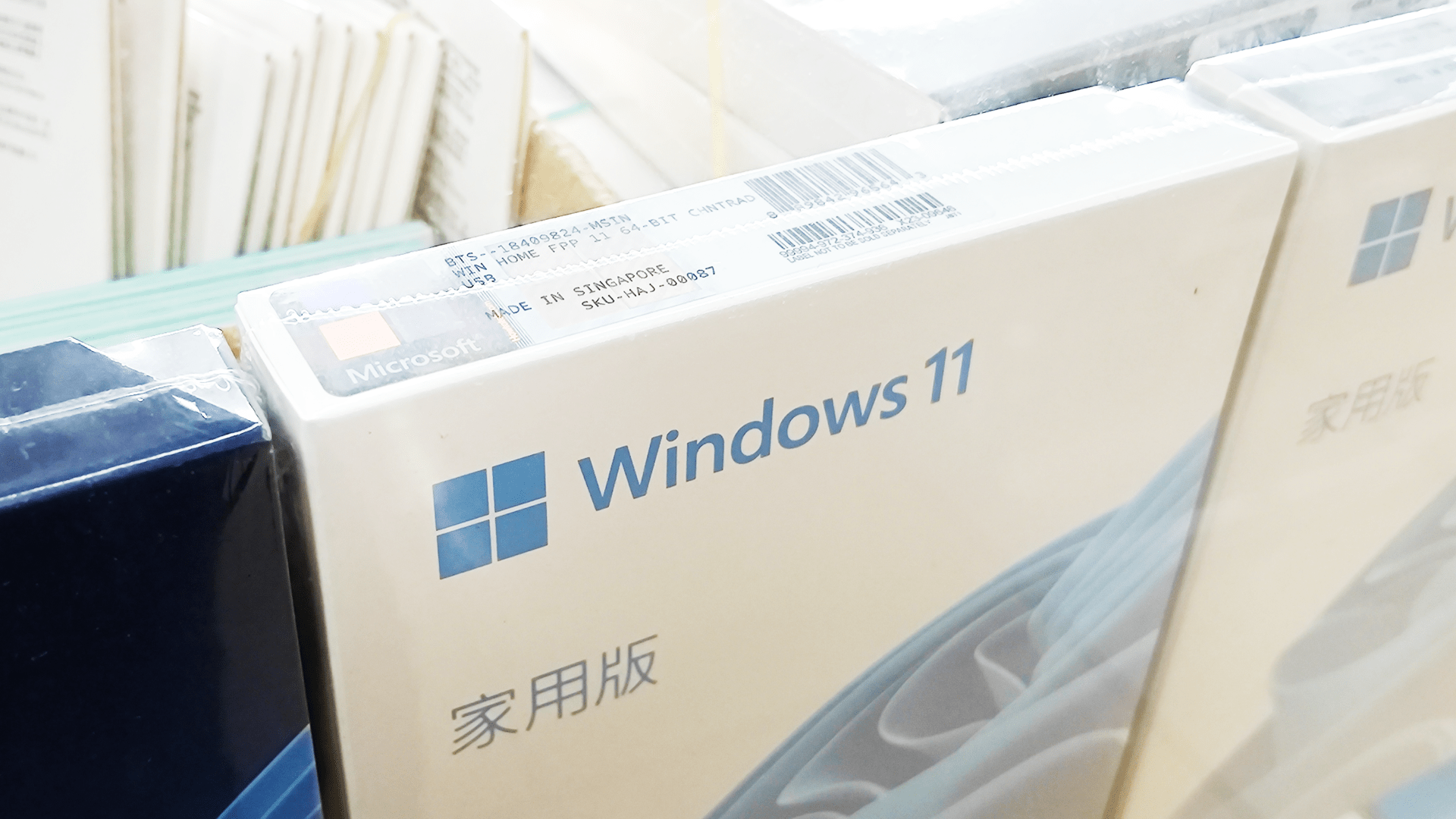
Microsoft aumenta i prezzi per le licenze di Windows
I produttori di PC devono pagare prezzi più elevati per le licenze di Windows, il che mette ulteriormente sotto pression...

New Relic avvia un programma di supporto per startup
New Relic ha lanciato un nuovo programma che offre alle startup accesso gratuito alla piattaforma di osservabilità....
D-Link riduce i prezzi per gli switch gestiti intelligenti
D-Link ha ridotto i prezzi di listino per due serie di switch gestiti intelligenti fino al 25 percento....

comment Kommentare (0)
Noch keine Kommentare. Schreiben Sie den ersten!
Kommentar hinterlassen