
Maersk rüstet Frachter mit Rotorsegel aus
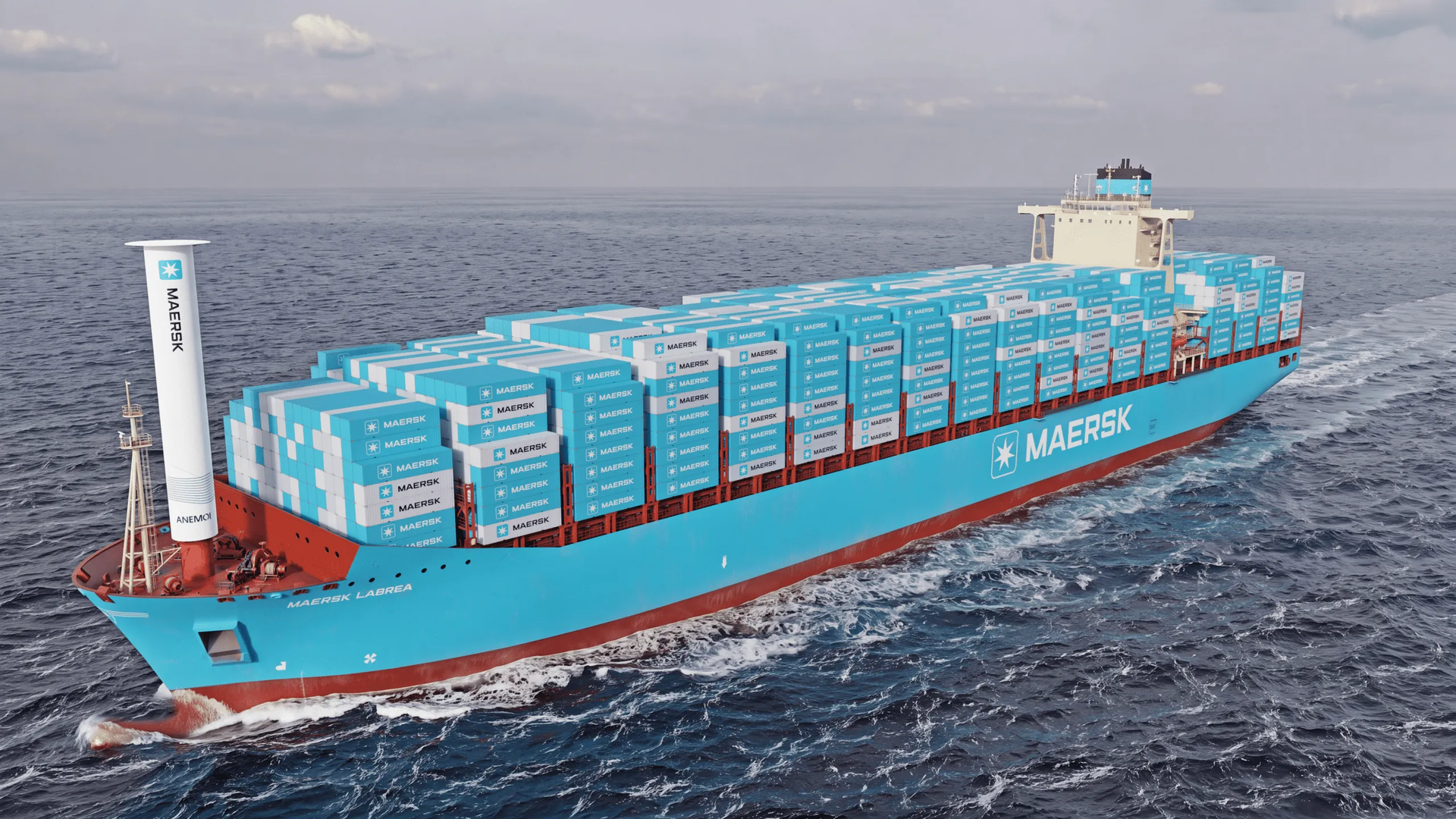
Die dänische Reederei Maersk testet erstmals ein Rotorsegel auf dem Containerschiff Maersk Labrea, um den Treibstoffverbrauch zu senken.
Die dänische Großreederei Maersk hat einen bedeutenden Schritt in Richtung nachhaltiger Schifffahrt unternommen, indem sie eines ihrer Containerschiffe, die Maersk Labrea, mit einem innovativen Flettner-Rotor ausstattet. Dieses Rotorsegel soll dazu beitragen, den Treibstoffverbrauch des Frachters zu reduzieren und die Effizienz des Schiffs zu steigern. Die Einführung dieser Technologie ist Teil eines umfassenden Tests, der darauf abzielt, umweltfreundlichere Lösungen für die maritime Industrie zu finden.
Der Flettner-Rotor nutzt den Magnus-Effekt, um zusätzlichen Auftrieb zu erzeugen, wenn der Rotor in Bewegung versetzt wird. Dies ermöglicht es dem Schiff, die Windkraft effektiver zu nutzen und somit den Einsatz von fossilen Brennstoffen zu verringern. Die Technologie hat sich in der Vergangenheit bereits in verschiedenen Anwendungen bewährt, jedoch ist dies das erste Mal, dass Maersk sie auf einem ihrer großen Containerschiffe implementiert.
Die Entscheidung, die Maersk Labrea mit einem Rotorsegel auszustatten, ist Teil von Maersks langfristiger Strategie zur Reduzierung der CO2-Emissionen. Das Unternehmen hat sich verpflichtet, bis 2030 die Emissionen pro transportiertem Container um 60 Prozent zu senken. Die Tests mit dem Rotorsegel sind ein wichtiger Schritt in Richtung dieses Ziels und könnten als Modell für zukünftige Schiffe dienen.
Technologische Innovationen in der Schifffahrt
Die Schifffahrtsindustrie steht unter Druck, ihre Umweltauswirkungen zu minimieren, und innovative Technologien wie das Flettner-Rotorsegel könnten eine Schlüsselrolle dabei spielen. Neben der Reduzierung des Treibstoffverbrauchs könnten solche Technologien auch dazu beitragen, die Betriebskosten der Reedereien zu senken. Maersk ist nicht das einzige Unternehmen, das in diese Richtung denkt; auch andere Reedereien experimentieren mit alternativen Antriebssystemen und nachhaltigen Lösungen.
Die Tests mit dem Rotorsegel auf der Maersk Labrea werden über einen längeren Zeitraum durchgeführt, um die Effektivität und die potenziellen Einsparungen genau zu messen. Die Ergebnisse dieser Tests könnten weitreichende Auswirkungen auf die gesamte Branche haben, insbesondere wenn sich herausstellt, dass die Technologie signifikante Vorteile bietet. Die Schifffahrt ist für einen erheblichen Teil der globalen CO2-Emissionen verantwortlich, und jede Maßnahme zur Reduzierung dieser Emissionen ist von großer Bedeutung.
Die Implementierung des Rotorsegels ist Teil eines größeren Trends in der Schifffahrt, der sich auf die Nutzung erneuerbarer Energien konzentriert. Neben Windkraft werden auch andere Technologien wie Wasserstoffantrieb und elektrische Antriebe erforscht. Diese Entwicklungen könnten die Art und Weise, wie Güter weltweit transportiert werden, revolutionieren und die Abhängigkeit von fossilen Brennstoffen verringern.
Maersk Labrea und ihre Rolle in der Flotte
Die Maersk Labrea ist ein modernes Containerschiff, das Teil der Flotte von Maersk ist, einem der größten Logistikunternehmen der Welt. Mit einer Länge von 300 Metern gehört das Schiff zu den größeren Einheiten, die in der internationalen Schifffahrt eingesetzt werden. Die Ausstattung mit dem Rotorsegel ist ein Zeichen für das Engagement von Maersk, innovative Lösungen zu finden, um den Herausforderungen der heutigen Zeit zu begegnen.
Die Tests mit dem Rotorsegel auf der Maersk Labrea könnten auch Auswirkungen auf die zukünftige Schiffsarchitektur haben. Wenn sich die Technologie als erfolgreich erweist, könnten ähnliche Systeme in neuen Schiffen integriert werden, was zu einer breiteren Akzeptanz von nachhaltigen Technologien in der Schifffahrt führen könnte. Die Reederei plant, die Ergebnisse der Tests zu veröffentlichen, um anderen Unternehmen in der Branche zu helfen, von ihren Erfahrungen zu lernen.
Die Einführung des Rotorsegels auf der Maersk Labrea ist ein Beispiel für die Innovationskraft der Schifffahrtsindustrie und deren Bestreben, umweltfreundlicher zu werden. Die Ergebnisse dieser Tests werden mit Spannung erwartet, da sie möglicherweise den Weg für eine nachhaltigere Zukunft in der maritimen Logistik ebnen könnten.
Ähnliche Artikel

Microsoft Windows 11 Professional | Sofortversand 24/7 im Fokus: Funktionen und Einsatzmöglichkeiten
Shop-Produktcheck: Mit Microsoft Windows 11 Professional erhältst du ein modernes Betriebssystem, das die Zusammenarbeit...

GeoGuessr wird zu HorrorGuessr im Oktober 2026
Das beliebte Browserspiel GeoGuessr verwandelt sich im Oktober in HorrorGuessr, ein gruseliges Erlebnis mit Monstern....

Microsoft warnt vor Problemen mit Smart App Control
Nach dem Oktober-Update für Windows 11 könnten Nutzer Schwierigkeiten mit Smart App Control haben....

GTA 6: Geheimnisse der Spielwelt bleiben ungelöst
Trotz mehrerer Trailer und Screenshots bleibt die Welt von GTA 6 ein Rätsel. Rockstar Games hält viele Details geheim....

comment Kommentare (0)
Noch keine Kommentare. Schreiben Sie den ersten!
Kommentar hinterlassen