
Massive Credit Card Data Theft by AI Agents

A financially motivated actor has stolen over 600,000 credit cards and infected more than 100 websites with skimmers.
A new cyberattack has shaken the online retail world after a financially motivated actor stole over 600,000 credit card details using open-source AI agents. The attacks targeted hundreds of online merchants and led to the infection of more than 100 websites with so-called skimmers. This malware allows attackers to siphon sensitive payment data from unsuspecting customers.
The attacks were carried out over several weeks and demonstrate the growing threat of automated cybercrime. The use of AI agents enables attackers to conduct their attacks more efficiently and on a larger scale. This technology has allowed them to bypass security measures that were previously considered effective.
Techniques and Impact of the Attacks
The attackers employed a combination of phishing techniques and malware to compromise the websites of online merchants. The skimmers were integrated into the payment processing systems, allowing them to collect data unnoticed. The stolen credit card information is typically sold on the dark web, where it can be used for illegal transactions.
The impact of these attacks is far-reaching. Affected merchants face not only financial losses but also a significant loss of trust from their customers. Customers whose data has been stolen are at high risk of identity theft and fraud. Security agencies and cybersecurity firms are warning about the long-term consequences of such attacks.
The use of AI in cybercrime is a concerning trend that is changing the security landscape. While companies are trying to protect their systems, attackers are constantly developing new methods to circumvent security measures. The challenge for the security industry is to keep pace with these developments and implement effective countermeasures.
Reactions from Security Authorities
Security authorities have responded to the attacks by informing affected merchants and consumers about the risks. Recommendations have been made on how to protect against such attacks, including monitoring account activity and using two-factor authentication. Authorities are also working to identify and hold the perpetrators accountable.
The incidents have sparked a debate about the need for stricter regulations in the field of cybersecurity. Experts are calling for better collaboration between businesses and governments to combat the threats posed by cybercrime more effectively. The development of standards and best practices could help improve the security situation and strengthen consumer trust in online transactions.
The attacks are an example of how cybercrime is evolving and increasing in complexity. The combination of financial incentives and technological advancements has enabled criminals to scale and diversify their activities. The security industry faces the challenge of finding innovative solutions to counter these threats.
Investigations into the attacks are ongoing, and further information about the perpetrators and their methods is expected to come to light. Security authorities are doing everything possible to clarify the background of the attacks and support the affected merchants. The incidents highlight the urgency of strengthening cybersecurity measures and educating the public about the risks.
Ähnliche Artikel
GitLab Security Vulnerability Allows Unauthorized Code Changes
A security vulnerability in GitLab allows code to be pushed to projects and CI/CD jobs to be executed by using a private...

Warning of Attacks on Network Management Systems
A new report warns of increasing attacks on network management systems that have critical vulnerabilities....

New MFA Attack Threatens Password Security
Security researchers have discovered a new attack method that allows hackers to steal passwords during legitimate login ...
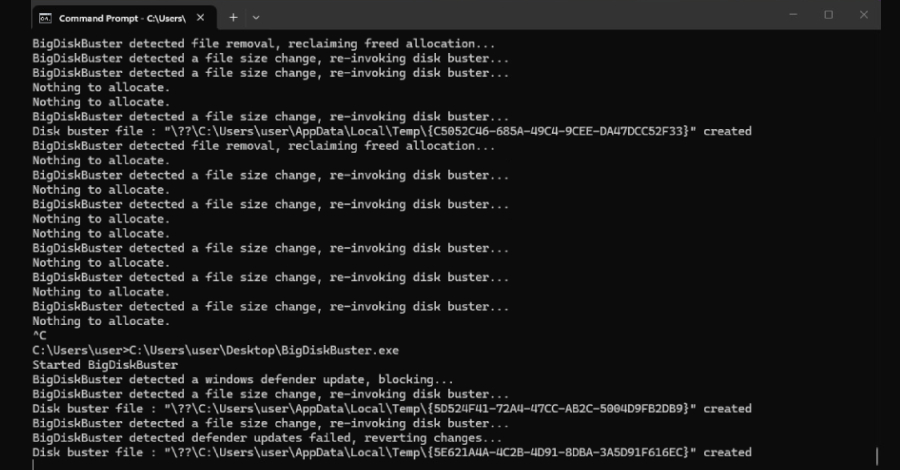
Zero-Day Tool BigDiskBuster Released
A new zero-day tool called BigDiskBuster blocks Microsoft Defender updates, released by a former Microsoft security rese...

comment Kommentare (0)
Noch keine Kommentare. Schreiben Sie den ersten!
Kommentar hinterlassen