
Meta must name executives in AI lawsuit

A US court forces Meta to name those responsible for AI piracy. The company is under pressure due to the training of its AI models.
Meta, the parent company of Facebook and Instagram, is facing significant legal pressure after a U.S. federal court ruled that the company must name all executives responsible for approving downloads from so-called shadow libraries. These shadow libraries are digital archives that provide copyrighted content without the consent of the rights holders.
The lawsuit revolves around Meta's practices in training its AI models, which rely on large amounts of data. Critics accuse the company of sourcing this data from unauthorized sources, which could lead to copyright violations. The court has now ruled that disclosing the names of the responsible executives is necessary to clarify the allegations.
Lawsuit and its Implications
The court's decision could have far-reaching consequences for Meta and the entire tech industry. If it turns out that Meta knowingly violated copyright laws, this could not only lead to hefty fines but also undermine user trust in the company's platforms. The disclosure of names could also lead to further legal actions against the implicated executives.
Meta has previously emphasized that the use of data for training AI models is crucial for the advancement of its technologies. Nevertheless, the company is under pressure to be transparent and comply with legal frameworks. The current situation could also prompt other companies to review their own data handling practices.
The shadow libraries from which Meta may have sourced data are a controversial topic in the digital world. They provide access to a variety of content that is often copyrighted, posing a challenge for rights holders. The use of such sources could be seen as a form of piracy, increasing the legal risks for companies like Meta.
The court's ruling is part of a larger trend where regulators and courts are increasingly taking action against companies that violate copyright laws in the digital realm. These developments could lead companies to be more cautious in their data usage in the future, especially concerning AI training.
Meta has not yet issued an official statement regarding the ruling. It remains to be seen how the company will respond to the request to disclose the names of the responsible executives. The next steps in the lawsuit could be crucial for how the legal framework for data usage in AI development evolves.
The ruling could also impact public perception of AI technologies. Consumers and users may become more sensitive to the origins of the data used to develop AI models. This could lead to increased interest in transparency and ethical standards in AI development.
Ähnliche Artikel
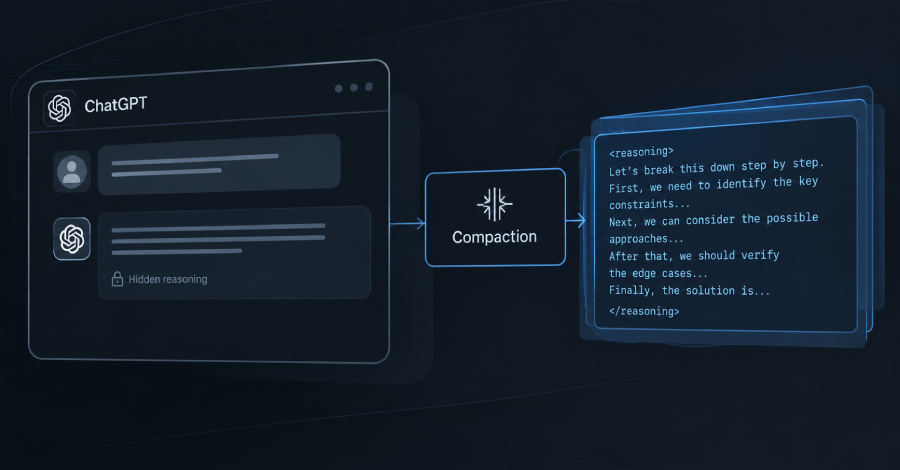
OpenAI's Compaction Feature Poses Security Risks
A new security report shows that OpenAI's Compaction feature can be used to extract hidden thought processes....

Elvis heirs sue AI company Anthropic
The rights holders of Elvis Presley have sued Anthropic because the AI Claude was trained on 274 songs of the musician....
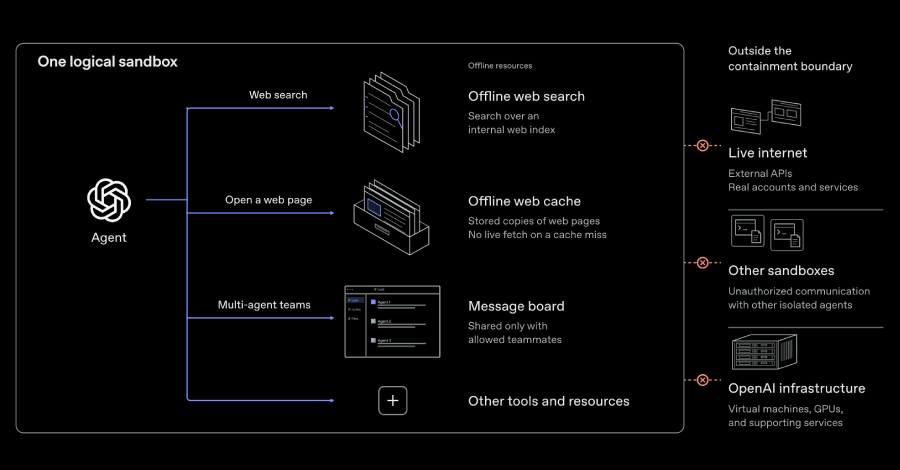
OpenAI announces new security measures
OpenAI plans to conduct the training of its most advanced AI models without internet access....

China responds to AI-related job losses
The State Council of China has introduced measures to mitigate job losses caused by AI. Companies must be cautious when ...

comment Kommentare (0)
Noch keine Kommentare. Schreiben Sie den ersten!
Kommentar hinterlassen