
































Les opérateurs de téléphonie mobile réclament des fréquences pour la télévision par antenne

Les fournisseurs de télécommunications poussent à l'utilisation de fréquences radio qui vont bientôt expirer. La télévision par antenne pourrait être sous pression à l'avenir.
La discussion sur l'avenir de la télévision par antenne prend de l'ampleur, car des droits d'utilisation importants pour les fréquences radio expireront dans les années à venir. Les fournisseurs de télécommunications exigent déjà que ces fréquences soient utilisées pour la téléphonie mobile. Cela pourrait avoir des conséquences significatives sur la diffusion de la télévision par antenne en Allemagne.
Les fréquences actuellement utilisées pour la télévision par antenne sont d'un grand intérêt pour les fournisseurs de téléphonie mobile. Avec le besoin croissant de volume de données et l'introduction de nouvelles technologies de téléphonie mobile comme la 5G, la pression sur les autorités de régulation augmentera pour libérer ces fréquences pour la téléphonie mobile. Les experts avertissent que cela pourrait considérablement limiter la disponibilité de la télévision par antenne.
Les autorités de régulation sous pression
L'Agence fédérale des réseaux, responsable de l'attribution des fréquences, est déjà confrontée aux demandes des fournisseurs de téléphonie mobile. Ces derniers soutiennent que l'utilisation des fréquences pour la téléphonie mobile représente une utilisation plus efficace des ressources. L'autorité de régulation doit maintenant peser comment elle peut répondre aux différents intérêts.
Certaines experts craignent que la décision soit prise en faveur des fournisseurs de téléphonie mobile, ce qui pourrait mettre la télévision par antenne dans une situation précaire. La diffusion de la télévision par antenne pourrait ainsi fortement diminuer, alors que de plus en plus de foyers passent aux données mobiles et aux services de streaming. Cela pourrait particulièrement affecter les régions rurales, où la télévision par antenne est souvent le seul moyen de recevoir des signaux de télévision.
Développements technologiques et comportement des utilisateurs
Le développement technologique dans le domaine de la télévision a considérablement augmenté ces dernières années. Les services de streaming et les applications mobiles ont modifié le comportement des utilisateurs, de sorte que de moins en moins de personnes dépendent de la télévision par antenne. Ces changements pourraient renforcer davantage les arguments des fournisseurs de téléphonie mobile, car ils peuvent se référer à une base d'utilisateurs en déclin de la télévision par antenne.
La question demeure de savoir si les autorités de régulation sont prêtes à privilégier les besoins des fournisseurs de téléphonie mobile par rapport à ceux des utilisateurs de télévision par antenne. La discussion sur les fréquences gagnera en intensité dans les années à venir, notamment lorsque les délais pour les droits d'expiration approcheront. La décision pourrait avoir des conséquences de grande envergure pour le paysage médiatique en Allemagne.
Les fournisseurs de téléphonie mobile ont déjà annoncé qu'ils étaient prêts à investir dans l'expansion de leurs réseaux s'ils obtiennent les fréquences nécessaires. Cela pourrait conduire à une amélioration supplémentaire de l'infrastructure de téléphonie mobile, tandis que la télévision par antenne est sous pression. Les mois à venir seront décisifs pour voir comment cette situation évoluera.
La discussion sur les fréquences ne se limite pas à l'Allemagne. Dans d'autres pays également, on débat de l'avenir de la télévision par antenne et de l'utilisation des fréquences radio. Les développements en Allemagne pourraient servir d'exemple pour d'autres pays confrontés à des défis similaires.
L'Agence fédérale des réseaux a déjà annoncé qu'elle écouterait les opinions de toutes les parties prenantes avant de prendre une décision. Les prochaines étapes de ce processus seront cruciales pour déterminer l'avenir de la télévision par antenne et l'utilisation des fréquences radio.
Ähnliche Artikel
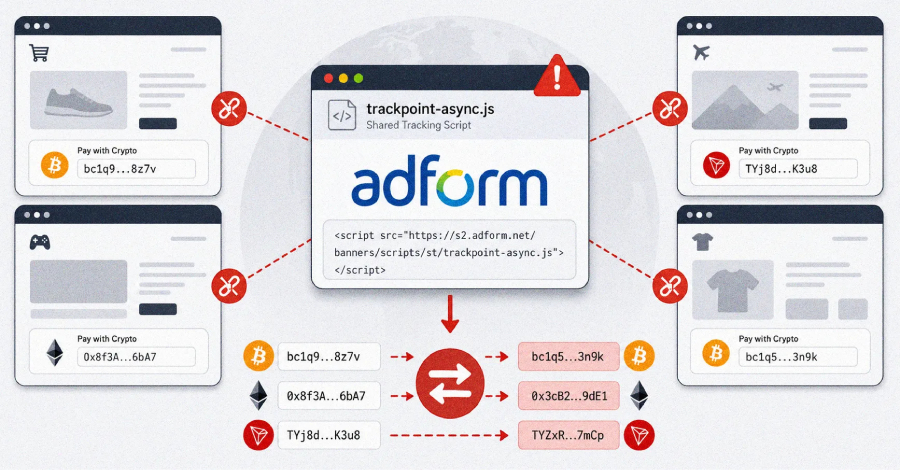
Cyberattaque contre Adform : Adresses de portefeuilles crypto manipulées
Une cyberattaque contre Adform a conduit à la manipulation des adresses de portefeuilles crypto sur les sites web des cl...
5G illimité dans le réseau Telekom pour 34,95 euros
Freenet propose un nouveau tarif pour les gros utilisateurs avec un volume de données illimité dans le réseau 5G de Tele...
Lutte de pouvoir chez T-Mobile US : Fusion avec Telekom rejetée
La direction américaine de T-Mobile US s'oppose à la fusion avec Deutsche Telekom. Les préoccupations des investisseurs ...

Les cyberattaques contre les usines d'eau américaines augmentent
Le FBI et l'Agence américaine de protection de l'environnement avertissent d'une augmentation des cyberattaques contre l...

comment Kommentare (0)
Noch keine Kommentare. Schreiben Sie den ersten!
Kommentar hinterlassen