
NASA launches rescue mission for Swift Observatory
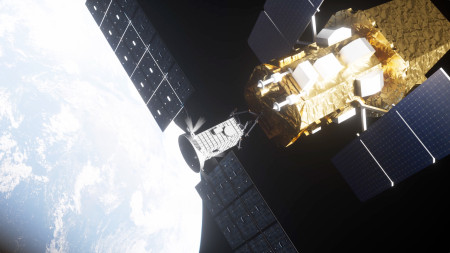
The Neil Gehrels Swift Observatory is facing a crash. A rescue mission has now been successfully launched.
The NASA has launched a rescue mission for the Neil Gehrels Swift Observatory, which is at risk of crashing due to a rapid descent. The space telescope, which has made significant contributions to astronomy since its launch in 2004, urgently needs support to continue its mission. The current situation poses a challenge for NASA, which is focused on successfully carrying out the rescue operation.
Details of the Rescue Mission
A specially designed spacecraft has been sent into space to lift the Swift Observatory back up. The mission was initiated after intensive preparations and tests to ensure that all systems are functioning properly. NASA has emphasized that the rescue operation is a high priority, as the telescope collects important data on gamma-ray bursts and other astrophysical phenomena.
The Swift Observatory has made a variety of discoveries in recent years that have expanded our understanding of the universe. The data it provides is invaluable to astronomers worldwide. A crash of the telescope would not only mean the loss of this valuable information but also jeopardize ongoing research projects that are based on the observatory's observations.
Technical Challenges and Solutions
The technical challenge of stabilizing the Swift Observatory is significant. The telescope is descending faster than expected, indicating possible issues with the engines or the stability of the satellite. NASA engineers are working around the clock to identify the exact cause of the problem and develop solutions that will allow for the safe return of the telescope to a stable orbit.
The rescue mission includes several phases, including monitoring the current state of the observatory and conducting correction maneuvers. NASA has already reported initial successes in stabilizing the telescope, which gives hope for a complete restoration of operational capability. Engineers are optimistic that the mission will be successful and that the telescope can continue to provide important scientific data.
NASA has also involved international partners in the mission to mobilize additional expertise and resources. Astronomers and engineers from various countries are collaborating to tackle the challenges associated with the rescue mission. This collaboration is an example of the global effort to advance science and prevent the loss of valuable research capabilities.
The rescue mission for the Neil Gehrels Swift Observatory is a significant step in aerospace engineering and astronomy. NASA has previously conducted similar rescue operations; however, the current mission is particularly challenging due to the urgency and complexity of the situation. The coming weeks will be crucial to ensure the success of the mission and to bring the telescope back into a safe orbit.
The Neil Gehrels Swift Observatory has made a multitude of discoveries over the past two decades that have revolutionized our understanding of the universe. The rescue mission is significant not only for NASA but also for the entire scientific community that relies on the telescope's data. NASA will continue to provide updates on the mission to keep the public informed about the progress.
Ähnliche Artikel

Automotive industry fights against intelligence service reform
The automotive industry criticizes the access to telemetry data by intelligence services and warns against data retentio...
Windows 11 Update KB5121003 Causes Crashes
The Windows 11 Update KB5121003 is causing crashes and restarts for users. A problematic driver could be the cause....

New CRISPR Method Enables Sex Reversal in Mice
Scientists have developed an innovative CRISPR technique that allows for the removal of the Y chromosome in mice, creati...

Impact Labs: Workshops for Women in IT Launch
The Impact Labs offer a series of workshops for women in IT professions, taking place in October and December 2026....

comment Kommentare (0)
Noch keine Kommentare. Schreiben Sie den ersten!
Kommentar hinterlassen