
NASA releases images of the moon crater after SpaceX crash
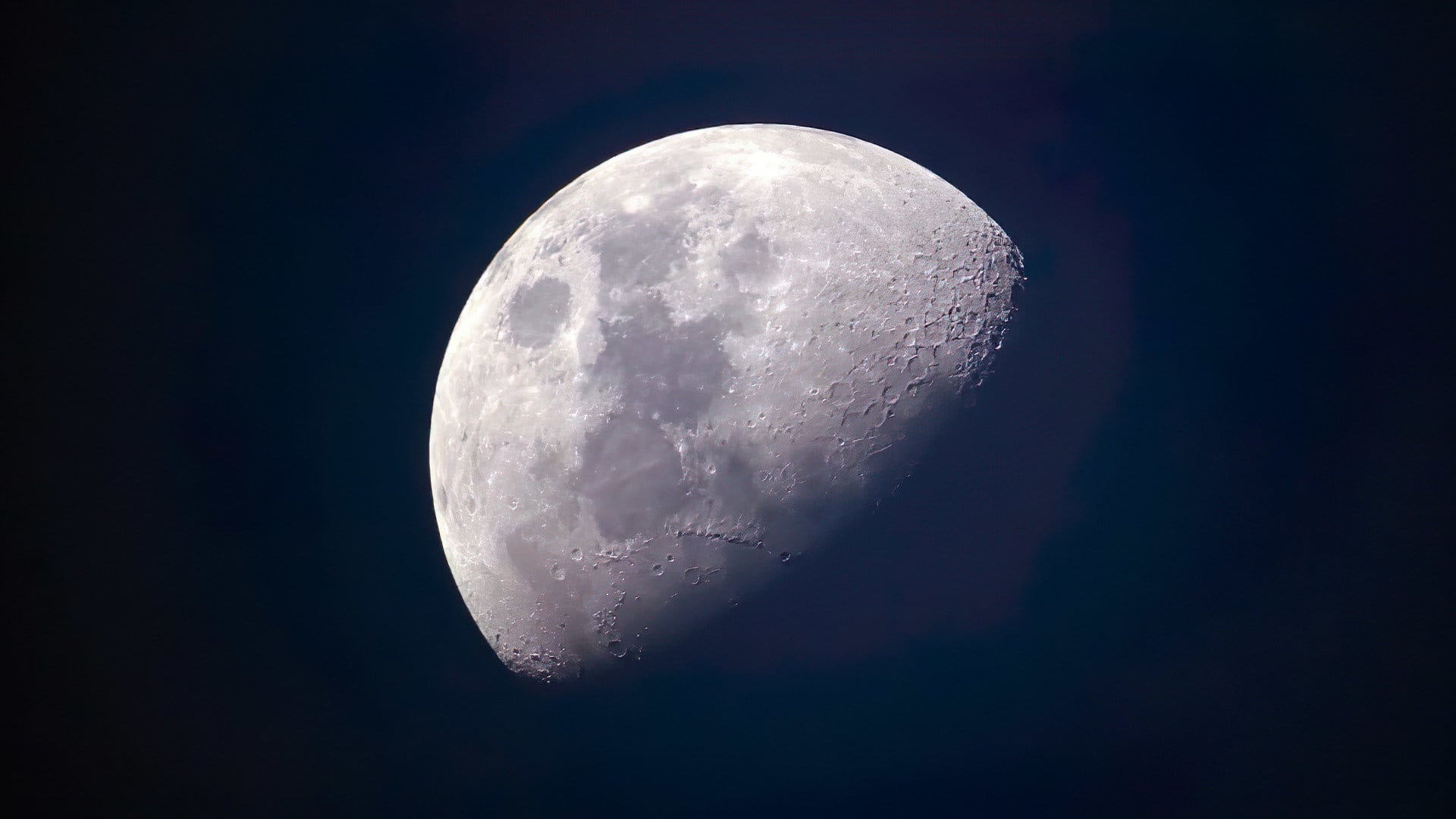
After the uncontrolled impact of a Falcon 9 rocket part on the moon, NASA has released high-resolution images of the newly formed crater.
The NASA recently released high-resolution images of a newly formed crater on the lunar surface. This crater is the result of the uncontrolled impact of a discarded rocket part from the Falcon 9, which was sent into space in 2022. The incident has not only sparked the interest of scientists but also raised questions about future space travel and the effects of space debris on other celestial bodies.
The images provide detailed information about the condition of the lunar surface after the impact. The pictures were taken with state-of-the-art cameras mounted on space probes that are capable of documenting even the smallest changes on the lunar surface. NASA plans to use this data to learn more about the geological processes on the Moon.
Details of the Impact and Its Consequences
The impact of the Falcon 9 rocket part occurred in a region of the Moon that had previously been little explored. NASA has released the coordinates of the crater to allow scientists and researchers to conduct targeted investigations. The crater has a diameter of about 20 meters and is surrounded by a number of smaller impacts caused by the collision.
The high-resolution images not only show the crater itself but also the surrounding area that was altered by the impact. Scientists have already conducted initial analyses of the images and report interesting geological structures that could provide clues about the composition of the lunar soil. This information is crucial for future missions aimed at a more detailed investigation of the lunar surface.
The Falcon 9 rocket, responsible for the uncontrolled impact, was originally designed for transporting satellites and supplies to the International Space Station (ISS). After several successful missions, the rocket part was classified as unnecessary space debris and remained in orbit until it eventually crashed onto the Moon. The incident has reignited the discussion about the increasing amount of space debris and its potential dangers for future space missions.
Reactions from the Scientific Community
The release of the images has caused a stir in the scientific community. Experts emphasize the importance of such events for understanding lunar geology and the impacts of human activities in space. Some scientists are calling for more intensive monitoring of space debris to prevent similar incidents in the future.
NASA has announced that it will conduct further analyses of the images to better understand the geological effects of the impact. This data could also be significant for future missions, especially regarding the planned return missions to the Moon as part of the Artemis program. Insights from the crater could help enhance the safety and efficiency of these missions.
In addition to the scientific findings, the incident could also have implications for the space industry. Companies developing rockets and satellites may be forced to rethink their designs and strategies for disposing of space debris. The discussion about sustainable space practices is further fueled by such events.
NASA plans to make the high-resolution images available in a public database to facilitate access for researchers and interested parties. This could help raise awareness of the challenges and opportunities of space travel and promote collaboration between various institutions.
Ähnliche Artikel

Spusu brings affordable 5G plans to Germany
Spusu launches in Germany with 5G plans starting at 4.90 euros. The new all-net flats offer plenty of data volume withou...

Global Cybercrime Raid: Dozens Arrested
In an international operation, 58 suspects linked to cybercrime were arrested. 22 countries collaborated to identify the...

Telecom Tariffs: 100 GB for 16.99 Euros
Telecom offers new mobile phone tariffs with up to 160 GB and data depot. All-net flats are now available from 14.99 Eur...

Telefónica builds 5G lanterns for Oktoberfest
Telefónica installs 5G lanterns around the Theresienwiese for Oktoberfest 2026. The temporary network aims to improve mo...

comment Kommentare (0)
Noch keine Kommentare. Schreiben Sie den ersten!
Kommentar hinterlassen