
Neue Angriffe auf Microsoft 365 Konten entdeckt
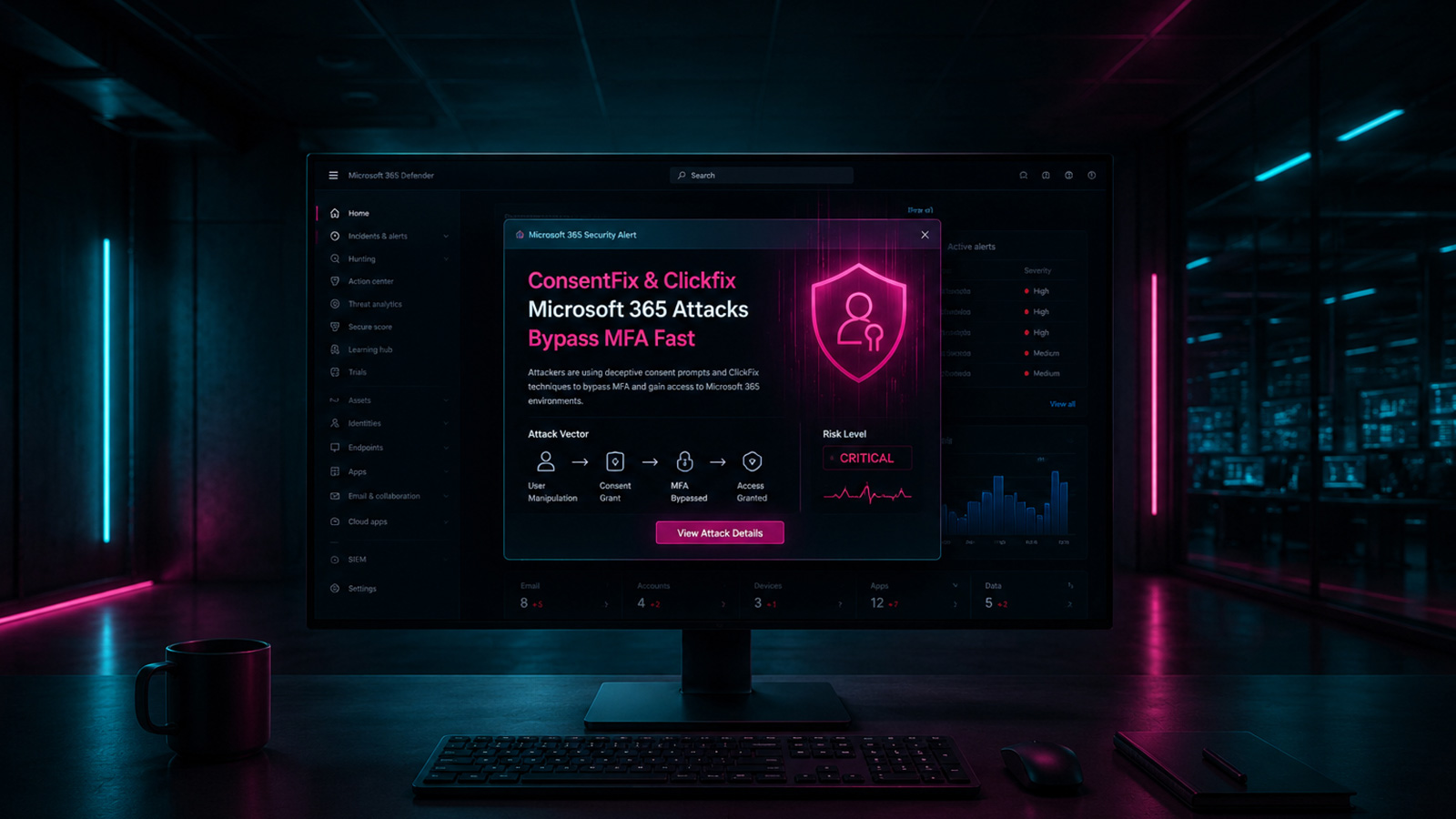
ConsentFix und ClickFix Angriffe gefährden Microsoft 365 Nutzer durch MFA-Umgehung.
In den letzten Monaten haben Sicherheitsforscher neue Angriffe auf Microsoft 365 Konten identifiziert, die als ConsentFix und ClickFix bekannt sind. Diese Angriffe nutzen gefälschte Eingabeaufforderungen und OAuth-Flows, um Authentifizierungstoken in Sekundenschnelle zu stehlen. Die Angreifer zielen darauf ab, die Multi-Faktor-Authentifizierung (MFA) zu umgehen, die normalerweise als Schutzmaßnahme dient.
Die ConsentFix-Angriffe funktionieren, indem sie Benutzer dazu verleiten, ihre Anmeldedaten in gefälschte Formulare einzugeben. Diese Formulare sehen oft täuschend echt aus und nutzen das Design von Microsoft, um das Vertrauen der Nutzer zu gewinnen. Sobald die Benutzer ihre Informationen eingeben, erhalten die Angreifer Zugriff auf die Konten und können diese für böswillige Zwecke nutzen.
ClickFix-Angriffe hingegen nutzen eine andere Taktik, um an die Tokens zu gelangen. Hierbei wird ein gefälschtes OAuth-Token erstellt, das den Anschein erweckt, als stamme es von einer legitimen Anwendung. Wenn ein Benutzer auf einen Link klickt, der zu dieser gefälschten Anwendung führt, wird er aufgefordert, seine Anmeldedaten einzugeben. Auch hier erhalten die Angreifer sofortigen Zugriff auf die Konten.
Techniken zur Umgehung der MFA
Die Angriffe zeigen, wie anfällig selbst moderne Sicherheitsmaßnahmen wie die MFA sein können. Während MFA als eine der effektivsten Methoden zur Sicherung von Konten gilt, können diese neuen Techniken die Schutzmechanismen erheblich untergraben. Die Angreifer nutzen Schwächen in der Benutzererfahrung aus, um ihre Ziele zu erreichen.
Ein weiterer Aspekt dieser Angriffe ist die Geschwindigkeit, mit der sie durchgeführt werden können. Sicherheitsforscher berichten, dass es Angreifern gelingt, innerhalb von drei Sekunden nach der Interaktion mit dem gefälschten Prompt die Tokens zu stehlen. Diese Geschwindigkeit macht es für Benutzer nahezu unmöglich, rechtzeitig zu reagieren und ihre Konten zu schützen.
Um sich gegen diese Angriffe zu schützen, ist es wichtig, dass Benutzer sich der Risiken bewusst sind und vorsichtig mit Links und Eingabeaufforderungen umgehen. Die Verwendung von sicheren Passwörtern und die regelmäßige Überprüfung von Kontoeinstellungen können ebenfalls dazu beitragen, das Risiko eines Angriffs zu minimieren. Unternehmen sollten zudem Schulungen zur Sensibilisierung ihrer Mitarbeiter anbieten, um das Bewusstsein für solche Bedrohungen zu schärfen.
Schutzmaßnahmen und Empfehlungen
Die Sicherheitsgemeinschaft arbeitet aktiv an der Entwicklung von Strategien zur Bekämpfung dieser Angriffe. Dazu gehört die Verbesserung der Benutzeroberflächen von Authentifizierungsprozessen, um gefälschte Eingabeaufforderungen zu erkennen. Auch die Implementierung zusätzlicher Sicherheitsmaßnahmen, wie etwa die Überwachung von Anmeldeversuchen und verdächtigen Aktivitäten, wird empfohlen.
Die Angriffe auf Microsoft 365 Konten durch ConsentFix und ClickFix verdeutlichen die Notwendigkeit, kontinuierlich an der Verbesserung der Cybersicherheit zu arbeiten. Die Bedrohungen entwickeln sich ständig weiter, und es ist entscheidend, dass sowohl Benutzer als auch Unternehmen wachsam bleiben. Die Sicherheitsforscher empfehlen, regelmäßig Updates zu Sicherheitsprotokollen und -richtlinien durchzuführen, um den neuesten Bedrohungen entgegenzuwirken.
Die Angriffe auf Microsoft 365 Konten durch ConsentFix und ClickFix sind ein aktuelles Beispiel für die Herausforderungen, denen sich die Cybersicherheitsbranche gegenübersieht. Die schnelle und effektive Durchführung dieser Angriffe erfordert ein hohes Maß an Aufmerksamkeit und proaktiven Schutzmaßnahmen von allen Nutzern.
Ähnliche Artikel

CrowdSec: Supply-Chain-Angriff auf Repositories
Unbekannte haben über 300 Repositories von CrowdSec durch einen Supply-Chain-Angriff kompromittiert. Die Auswirkungen we...
Neue Check Point-Sicherheitslücke entdeckt
Check Point Software hat eine kritische Sicherheitsanfälligkeit veröffentlicht, die Angreifern Root-Rechte auf Managemen...
BGH fragt EuGH zur DSGVO und Haushaltsausnahme
Der Bundesgerichtshof klärt mit dem EuGH die Grenzen der DSGVO bei privater Datenverarbeitung in Chats und Heimüberwachu...

Europas Cybersicherheit unter geopolitischem Druck
Die Abhängigkeit von US-Anbietern gefährdet die Cybersicherheit Europas. Strategien zur digitalen Souveränität sind notw...

comment Kommentare (0)
Noch keine Kommentare. Schreiben Sie den ersten!
Kommentar hinterlassen