
Neue Bedrohung: Wallet-Stealing Extensions entdeckt
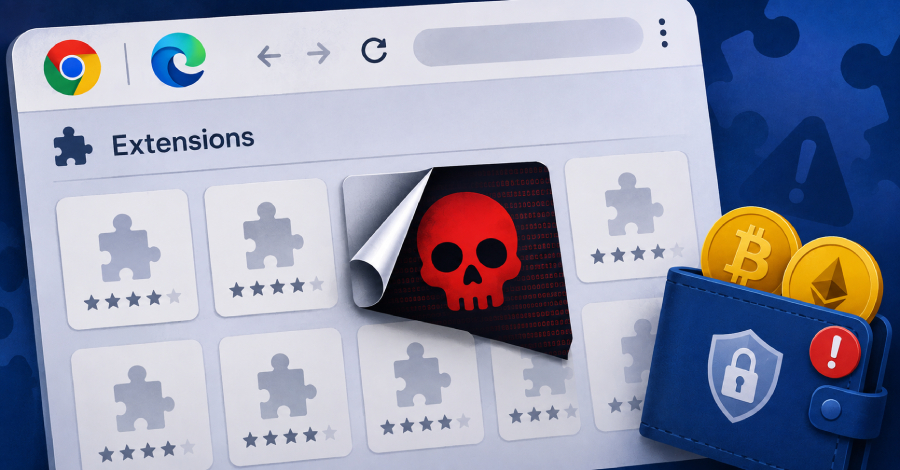
Forschungen zeigen, dass 19 Chrome- und Edge-Erweiterungen Wallet-Daten stehlen können. Die Cybersecurity-Community warnt vor diesen gefährlichen Tools.
Cybersecurity-Forscher haben eine alarmierende Entdeckung gemacht: Eine Gruppe von 19 Erweiterungen für Google Chrome und Microsoft Edge, die in den letzten sechs Monaten veröffentlicht wurden, enthält schädlichen Code, der in der Lage ist, geheime Wallet-Daten zu stehlen und Kryptowährungen abzuziehen. Diese Erweiterungen wurden von Karlo Zanki, einem Forscher bei Socket, identifiziert und zeigen besorgniserregende Ähnlichkeiten in ihrem Code und ihrer Vorgehensweise.
Die betroffenen Erweiterungen wurden in verschiedenen Kategorien veröffentlicht, darunter Tools zur Produktivität und zur Verbesserung der Benutzererfahrung. Die Forscher fanden heraus, dass die Erweiterungen nicht nur in ihrer Funktionalität ähnlich sind, sondern auch in der Art und Weise, wie sie ihre schädlichen Aktivitäten durchführen. Diese Entdeckung wirft ernsthafte Fragen zur Sicherheit von Browser-Erweiterungen auf, die von Millionen von Nutzern weltweit verwendet werden.
Details zur Entdeckung
Die Analyse der Erweiterungen ergab, dass sie in der Lage sind, die privaten Schlüssel von Krypto-Wallets zu extrahieren. Diese Schlüssel sind entscheidend für den Zugriff auf digitale Vermögenswerte, und ihr Diebstahl kann zu erheblichen finanziellen Verlusten für die betroffenen Nutzer führen. Die Forscher haben auch festgestellt, dass die Erweiterungen über eine ausgeklügelte Infrastruktur verfügen, die es den Angreifern ermöglicht, die gestohlenen Daten effizient zu sammeln und zu übertragen.
Die Kampagne, die hinter diesen Erweiterungen steckt, könnte bereits seit mehreren Monaten aktiv sein. Die Forscher haben Hinweise darauf gefunden, dass die Entwickler der schädlichen Erweiterungen möglicherweise in einem größeren Netzwerk von Cyberkriminellen eingebunden sind. Diese Entdeckung deutet darauf hin, dass die Bedrohung durch solche Erweiterungen nicht isoliert ist, sondern Teil eines umfassenderen Trends in der Cyberkriminalität.
Reaktionen der Sicherheitsgemeinschaft
<pDie Sicherheitsgemeinschaft hat auf diese Entdeckung mit Besorgnis reagiert. Experten warnen die Nutzer, vorsichtig mit den Erweiterungen umzugehen, die sie installieren, und empfehlen, nur solche zu verwenden, die von vertrauenswürdigen Entwicklern stammen. Die Tatsache, dass diese schädlichen Erweiterungen in offiziellen Webstores veröffentlicht wurden, macht die Situation noch besorgniserregender, da viele Nutzer möglicherweise nicht über die notwendigen Kenntnisse verfügen, um potenzielle Bedrohungen zu erkennen.Die Forscher von Socket haben die betroffenen Erweiterungen den entsprechenden Plattformen gemeldet, und es wird erwartet, dass diese schnell entfernt werden. Dennoch bleibt die Frage, wie viele Nutzer möglicherweise bereits Opfer dieser Angriffe geworden sind. Die Sicherheitsgemeinschaft fordert eine verstärkte Überwachung und Prüfung von Erweiterungen, um zukünftige Vorfälle dieser Art zu verhindern.
Die Entdeckung dieser schädlichen Erweiterungen ist ein weiterer Hinweis auf die wachsende Bedrohung durch Cyberkriminalität im Bereich der Kryptowährungen. Mit der zunehmenden Popularität von digitalen Vermögenswerten wird auch das Interesse von Cyberkriminellen an diesen Technologien steigen. Nutzer sollten sich der Risiken bewusst sein und geeignete Maßnahmen ergreifen, um ihre digitalen Vermögenswerte zu schützen.
Die Forscher von Socket haben auch darauf hingewiesen, dass die Angreifer möglicherweise versuchen werden, ihre Taktiken zu ändern, um zukünftige Entdeckungen zu vermeiden. Dies könnte bedeuten, dass neue, noch raffiniertere Methoden zur Verbreitung von schädlichen Erweiterungen entwickelt werden. Die Sicherheitsgemeinschaft bleibt wachsam und arbeitet daran, die Nutzer über die neuesten Bedrohungen zu informieren.
Die betroffenen Erweiterungen wurden in den letzten Monaten von einer Vielzahl von Nutzern heruntergeladen, was die potenzielle Reichweite der Bedrohung erhöht. Die genaue Anzahl der betroffenen Nutzer ist derzeit unbekannt, aber die Sicherheitsforscher warnen, dass die Auswirkungen erheblich sein könnten. Nutzer, die diese Erweiterungen installiert haben, sollten ihre Wallets auf verdächtige Aktivitäten überwachen und gegebenenfalls Maßnahmen ergreifen, um ihre digitalen Vermögenswerte zu sichern.
Ähnliche Artikel

Drupal behebt kritische Sicherheitslücke im Field UI
Drupal hat eine kritische Sicherheitsanfälligkeit im Field UI-Modul behoben, die Angreifern die Ausführung von Code auf ...

Hacker manipulieren Supermarkt-Kühlschränke
Hacker haben Kühlschränke in Supermärkten gehackt und die Temperaturen manipuliert, was zu erheblichen Schäden führt....
Starlink drosselt Drohnenverbindungen in der Ukraine
Starlink hat begonnen, die Verbindungen von ukrainischen Kampfdrohnen ab einer bestimmten Geschwindigkeit zu drosseln....

ESP32-Projekt bringt sicheren Chat auf Retro-Computer
Ein neues Projekt nutzt den ESP32, um Retro-Computer mit WLAN, MQTT und Verschlüsselung zu verbinden und so sicheren Cha...

comment Kommentare (0)
Noch keine Kommentare. Schreiben Sie den ersten!
Kommentar hinterlassen