
Netherlands relies on Linux for digital sovereignty
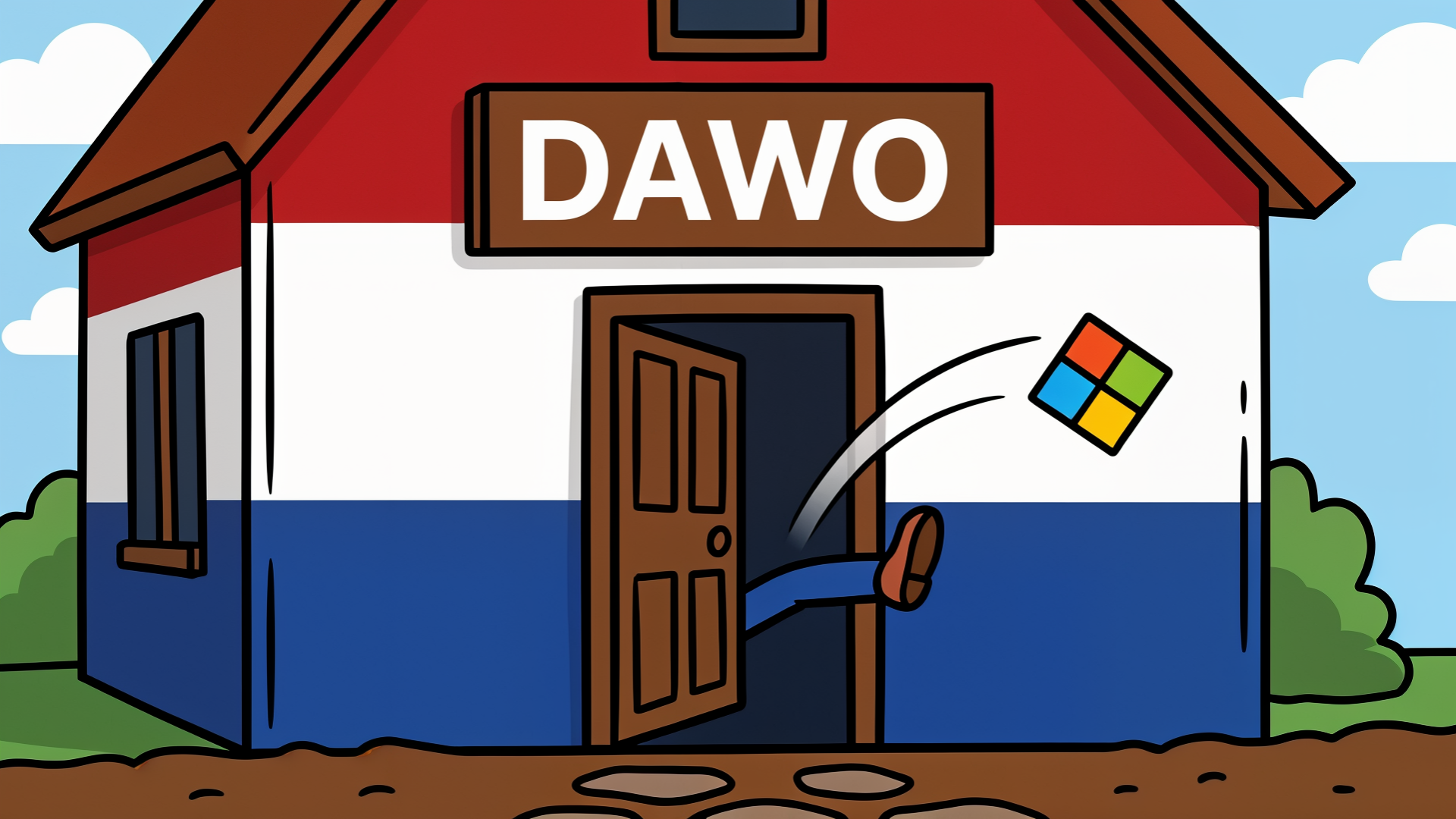
The Dutch government plans to switch to Linux and open-source software to replace Microsoft. Initial tests are already underway.
The Dutch government has decided to part ways with Microsoft and instead focus on Linux-based open-source software. This move is part of a larger trend within the European Union aimed at digital sovereignty. The decision comes at a time when many European countries want to reduce their dependence on large technology companies.
Open-Source Project in Administration
The new open-source project launched in the Netherlands aims to replace existing Microsoft products, particularly Windows and Office, in public administration. The government has already conducted initial tests with the new software to evaluate its functionality and user-friendliness. The goal is to create a cost-effective and secure alternative that meets the specific needs of the administration.
The decision for open-source software is seen by many as a step in the right direction, as it allows for greater control over the technologies used. Additionally, using open-source solutions can significantly reduce costs for licenses and maintenance. The Dutch government plans to evaluate the results of the tests in the coming months and potentially implement a broader rollout.
Reactions and Outlook
Reactions to the planned switch are mixed. While some experts praise the decision as bold and forward-looking, others express concerns about feasibility and employee training. Transitioning to new software requires not only technical adjustments but also comprehensive training for staff to ensure a smooth transition.
The Dutch government has announced that it will work closely with various open-source communities to ensure that the new systems meet the administration's requirements. This could also help increase acceptance of the new software among the workforce. Initial feedback from the testing phases will be crucial for the further planning and implementation of the project.
The Netherlands' decision follows a similar trend in other European countries that also wish to reduce their dependence on Microsoft. In recent years, several governments in the EU have begun to explore open-source solutions and have already successfully implemented some. These developments could lead to greater digital independence within the EU in the long term.
The Dutch government plans to publish the results of the tests over the next year. This is seen as an important step to ensure the transparency of the project and to strengthen public trust in the new technologies. The development will be closely monitored, as it could potentially serve as a model for other countries looking to take similar steps towards digital sovereignty.
Ähnliche Artikel
Windows 11 26H2: New Update Brings Fresh Features
The new Windows 11 Update 26H2 offers fresh designs, NPU values in the Task Manager, and extended support....

Kingdom Come Deliverance 2 receives multiplayer mod
A new mod for Kingdom Come: Deliverance 2 brings multiplayer elements and RP servers into the game, including horse raci...

Android 17 QPR2: Beta 6.1 released for Pixel 11 Pro
The beta version 6.1 of Android 17 QPR2 brings new features for the Pixel 11 series....

Mozilla releases Firefox 157 with new design
Mozilla has released the new version Firefox 157, which features a revamped design and the return of the compact mode....

comment Kommentare (0)
Noch keine Kommentare. Schreiben Sie den ersten!
Kommentar hinterlassen