
Optimale Server-Lebenszyklen für Unternehmen
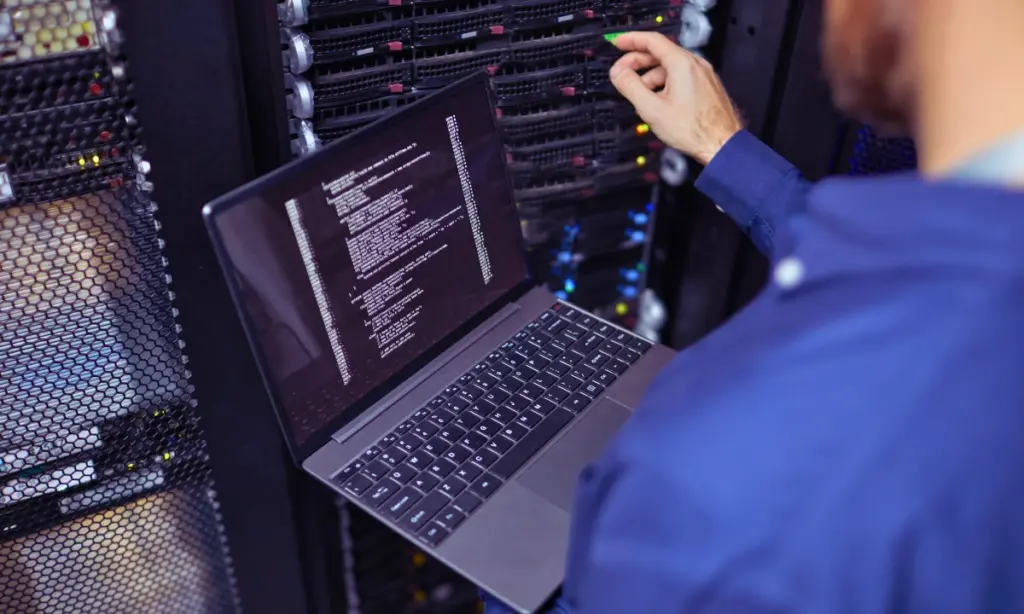
Veraltete IT-Infrastrukturen können Unternehmen teuer zu stehen kommen. Ein klar definierter Server-Lebenszyklus von 3 bis 5 Jahren ist entscheidend.
Die fortschreitende Digitalisierung zwingt Unternehmen dazu, ihre IT-Infrastruktur regelmäßig zu überprüfen und gegebenenfalls zu erneuern. Veraltete Server können nicht nur die Effizienz eines Unternehmens beeinträchtigen, sondern auch zu hohen Kosten durch steigende Wartungsaufwände und Energieineffizienz führen. Eine strategische Planung des Server-Austauschs ist daher unerlässlich, um die Wettbewerbsfähigkeit und IT-Sicherheit zu gewährleisten.
Der optimale Lebenszyklus von Servern
Beim Kauf neuer Server empfiehlt sich ein Beschaffungszeitraum von drei bis fünf Jahren. In den ersten drei Jahren profitieren Unternehmen in der Regel von Herstellergarantien, die unvorhergesehene Reparaturkosten für Hardware-Defekte ausschließen. Ab dem vierten Jahr steigt jedoch die Ausfallwahrscheinlichkeit der Kernkomponenten signifikant an, während der Stromverbrauch im Vergleich zu neueren, energieeffizienteren Generationen ebenfalls zunimmt. Ein klar definierter Hardware-Lebenszyklus von maximal fünf Jahren sichert somit die Leistungsfähigkeit und technologische Agilität des Unternehmens.
Die Risiken, die mit der Nutzung veralteter Server verbunden sind, sind vielfältig. Je länger ein System im Einsatz ist, desto größer wird die technologische Lücke zur aktuellen Software-Landschaft. Moderne Hypervisoren und aktuelle Sicherheits-Features setzen CPU-Instruktionen voraus, die von älterer Hardware nicht unterstützt werden. Dies zwingt IT-Experten zu komplexen und fehleranfälligen Workarounds, die die Systemstabilität gefährden können.
Herausforderungen bei der Ersatzteilbeschaffung
Ein weiteres Problem, das mit der Nutzung älterer Server einhergeht, ist die zunehmend schwierige Beschaffung von Ersatzteilen. Hersteller stellen die Verfügbarkeit von Server-Komponenten für ältere Generationen irgendwann ein, was die Suche nach Refurbished- oder neuen Teilen erschwert. Diese Situation kostet nicht nur wertvolle Zeit, sondern birgt auch unkalkulierbare Zuverlässigkeitsrisiken. Im Falle eines Hardwareausfalls kann die Unverfügbarkeit des passenden Ersatzteils zu tagelangen Systemstillständen führen.
Um diesen Risiken entgegenzuwirken, ist eine kontinuierliche Modernisierungsstrategie erforderlich. Unternehmen sollten proaktiv planen, um die Kompatibilität und Performance ihrer Systeme zu sichern. Eine solche Strategie hilft, die IT-Betriebskosten planbar und effizient zu halten und schützt vor den Risiken veralteter Hardware. Verzögerte Beschaffungen können zu architektonischen Sackgassen führen, die später kostspielige und riskante Erneuerungen erfordern.
Die Notwendigkeit einer regelmäßigen Erneuerung von Servern wird durch die steigenden Anforderungen an die IT-Sicherheit und die Integration neuer Technologien verstärkt. Unternehmen, die ihre Server-Infrastruktur nicht regelmäßig aktualisieren, riskieren nicht nur technische Probleme, sondern auch Sicherheitslücken, die von Cyberkriminellen ausgenutzt werden können. Daher ist es entscheidend, eine klare Strategie für den Austausch von Core-Systemen zu entwickeln.
Die Herausforderungen, die mit der Nutzung veralteter IT-Hardware verbunden sind, sind nicht zu unterschätzen. Unternehmen müssen sich der Tatsache bewusst sein, dass die technologische Entwicklung rasant voranschreitet und die Anforderungen an die IT-Infrastruktur ständig steigen. Ein gut geplanter Server-Lebenszyklus ist daher nicht nur eine Frage der Effizienz, sondern auch der Sicherheit und Wettbewerbsfähigkeit.
Ähnliche Artikel

AOMEI-Server gehackt: Malware über Update verteilt
Hackers compromised AOMEI's servers to distribute malware through its backup software, exploiting a promotional feature....

Snapchat: KI-Chatbot darf keine Werbedaten sammeln
Das Landgericht Köln hat entschieden, dass Snapchat keine Werbedaten von Nutzern des KI-Chatbots sammeln darf. Dies ist ...
Kritische Sicherheitslücke in Magento entdeckt
Eine schwerwiegende Sicherheitsanfälligkeit in Magento und Adobe Commerce könnte Hackern ermöglichen, beliebigen PHP-Cod...
OpenCode Console Sicherheitsvorfall: API-Keys gefährdet
Ein Sicherheitsvorfall bei OpenCode könnte API-Keys von OpenAI, Anthropic und Google betroffen haben....

comment Kommentare (0)
Noch keine Kommentare. Schreiben Sie den ersten!
Kommentar hinterlassen