
PCB shortages drive motherboard prices up
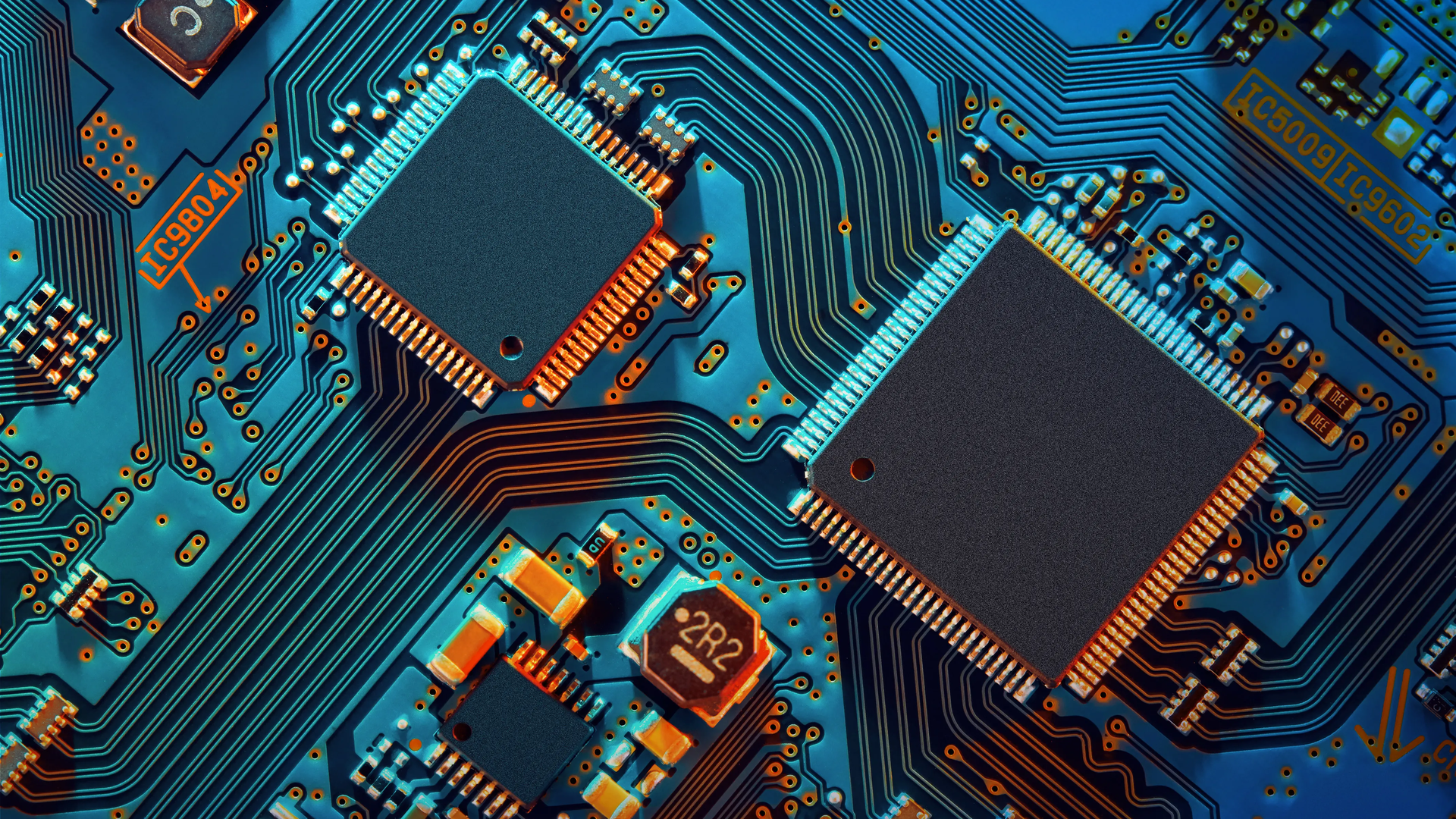
The increasing demand in the AI sector is causing shortages in PCBs, which is driving motherboard prices up.
The demand for PC components has increased significantly in recent years, particularly due to the boom in the field of Artificial Intelligence (AI). However, this development has also had negative effects on the availability and prices of key components such as printed circuit boards (PCBs). PCB manufacturers are increasingly prioritizing orders from the AI sector, leading to shortages in the supply for PC manufacturers.
Shortage of PCBs
The rising demand for AI applications has led PCB manufacturers to shift their production capacities. Instead of focusing on the production of PCBs for motherboards, they prefer to serve the more lucrative orders from the AI industry. As a result, fewer PCBs are available for the production of motherboards, driving prices up.
The situation is exacerbated by the fact that production capacities in the electronics industry are already strained due to the COVID-19 pandemic and other global supply chain issues. Many manufacturers continue to struggle with the aftermath of these disruptions, further limiting the availability of components.
Rising Prices for Motherboards
The effects of the PCB shortages are already noticeable. Prices for motherboards have risen significantly in recent months, increasing costs for consumers and businesses. These price increases are not only due to material costs but also to the higher production costs caused by the limited availability of PCBs.
Analysts predict that this trend will continue in the coming months as the demand for AI technologies continues to grow. Companies that rely on powerful computers to develop and operate AI applications will need to prepare for higher costs. This could also impact the introduction of new systems next year.
The situation could worsen if PCB manufacturers are unable to increase their production capacities quickly enough to meet demand. Market uncertainty could lead companies to reconsider their investments in new technologies, which could have long-term effects on the industry.
The rising prices and scarcity of motherboards could also impact the entire PC industry. Consumers looking for new systems may be forced to rethink their purchasing decisions or turn to cheaper alternatives. This could lead to a decline in sales, which in turn could pressure manufacturers to lower their prices.
The PCB shortages are another example of the challenges facing the electronics industry. As demand for innovative technologies rises, manufacturers must simultaneously deal with limited resources and rising costs. The coming months will be crucial to see how this dynamic affects the market.
Ähnliche Artikel

Final Fantasy 7 Revelation: Gameplay Revealed Under Midgar
Square Enix presents new gameplay of Final Fantasy 7 Revelation, showcasing the secret depths beneath Midgar....

Mass Effect: Amazon continues series despite Bioware closure
The planned Mass Effect series from Amazon remains in development, despite the closure of Bioware....

New Hope for Half-Life 3 After Valve Spokesperson
A Valve developer accidentally revealed information in a public appearance, sparking new hopes for Half-Life 3. Fans are...

Microsoft's Future of Physical Xbox Games
A new job posting from Microsoft suggests that the company may still be committed to physical Xbox games....

comment Kommentare (0)
Noch keine Kommentare. Schreiben Sie den ersten!
Kommentar hinterlassen