
Un mini-robot suisse révolutionne les traitements dentaires
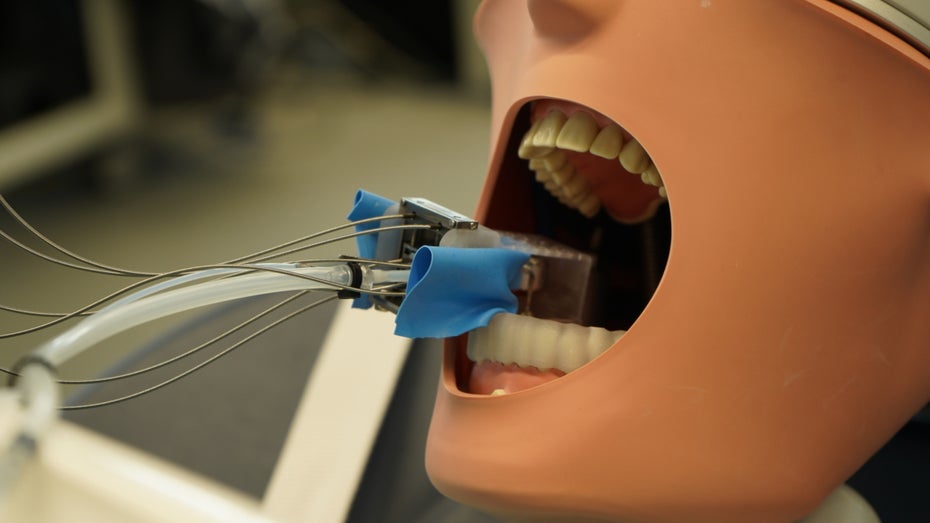
Une nouvelle invention suisse pourrait transformer considérablement le traitement dentaire grâce à des mini-robots et réduire les temps de traitement.
Le futur de la dentisterie pourrait être marqué par un développement innovant en provenance de Suisse. Une équipe de scientifiques a développé un mini-robot capable d'effectuer des interventions dentaires de manière plus efficace et rapide. Cette technologie pourrait révolutionner la façon dont les traitements dentaires sont réalisés et offrir aux patients une expérience moins invasive.
Avancées technologiques en dentisterie
Les mini-robots sont conçus pour travailler de manière précise et ciblée. Ils sont équipés de capteurs avancés qui leur permettent d'analyser l'état des dents et des gencives en temps réel. Ces données sont utilisées pour adapter le traitement de manière individuelle et augmenter l'efficacité. Les robots peuvent aider à réduire considérablement la durée des traitements, ce qui est bénéfique tant pour les dentistes que pour les patients.
Un autre avantage de cette technologie est la possibilité de réduire l'anxiété de nombreux patients face aux interventions dentaires. Grâce à l'utilisation de mini-robots, les procédures invasives pourraient être minimisées, ce qui conduit à une expérience moins douloureuse. Cela pourrait représenter un soulagement considérable, en particulier pour les patients anxieux, et augmenter leur volonté de se rendre régulièrement chez le dentiste.
Application pratique et perspectives d'avenir
Les premiers tests avec les mini-robots ont donné des résultats prometteurs. Dans des études cliniques, les chercheurs ont pu démontrer que les robots sont capables d'effectuer des interventions dentaires simples telles que des obturations et des nettoyages dentaires de manière efficace. La précision des robots garantit que les résultats des traitements sont comparables à ceux des méthodes traditionnelles, tout en réduisant significativement le temps de traitement.
Les développeurs de la technologie sont optimistes quant à la possibilité que les mini-robots soient utilisés dans les cabinets dentaires du monde entier dans un avenir proche. L'intégration de cette technologie pourrait non seulement augmenter l'efficacité des traitements, mais aussi améliorer la satisfaction des patients. Les chercheurs travaillent déjà à l'amélioration des robots pour élargir leurs capacités et permettre des applications dentaires supplémentaires.
L'introduction de mini-robots en dentisterie pourrait également avoir des répercussions sur la formation des dentistes. Les futurs étudiants en dentisterie pourraient apprendre à utiliser ces technologies et à les intégrer dans leurs traitements. Cela ouvrirait une nouvelle dimension dans la formation dentaire et préparerait la prochaine génération de dentistes aux défis et aux opportunités de la dentisterie moderne.
L'invention suisse est un exemple de l'influence croissante de la technologie sur les soins de santé. Avec le développement continu de la robotique et de l'IA dans le domaine médical, on s'attend à ce que de telles innovations soient de plus en plus fréquentes dans divers domaines des soins de santé au cours des prochaines années. Les mini-robots pourraient ainsi révolutionner non seulement la dentisterie, mais aussi d'autres disciplines médicales.
Les premiers cabinets à tester cette technologie rapportent des retours positifs de la part des patients. La combinaison des avancées technologiques et d'un traitement axé sur le patient pourrait transformer durablement l'avenir de la dentisterie.
Ähnliche Artikel

La Marine américaine teste un champ de plasma artificiel dans l'espace
La Marine américaine a réussi à créer un nuage de plasma artificiel dans l'espace pour tester des théories de la physiqu...

Droits de douane américains sur le polysilicium : le nouveau coup de Trump contre la Chine
Un nouveau droit d'importation de 15 % sur le polysilicium vise à protéger l'industrie des semi-conducteurs et solaire a...

openDesk : Version communautaire axée sur les autorités
La version communautaire d'openDesk s'adresse aux autorités, mais nécessite une équipe de plateforme dédiée pour son fon...

Le courtier Sparkassen S-Neo se mesure à Trade Republic
Les Sparkassen lancent S-Neo, un nouveau courtier, pour attirer les jeunes investisseurs et rivalisent avec Trade Republ...

comment Kommentare (0)
Noch keine Kommentare. Schreiben Sie den ersten!
Kommentar hinterlassen