
Sichere Verwaltung von File-Servern im Jahr 2026
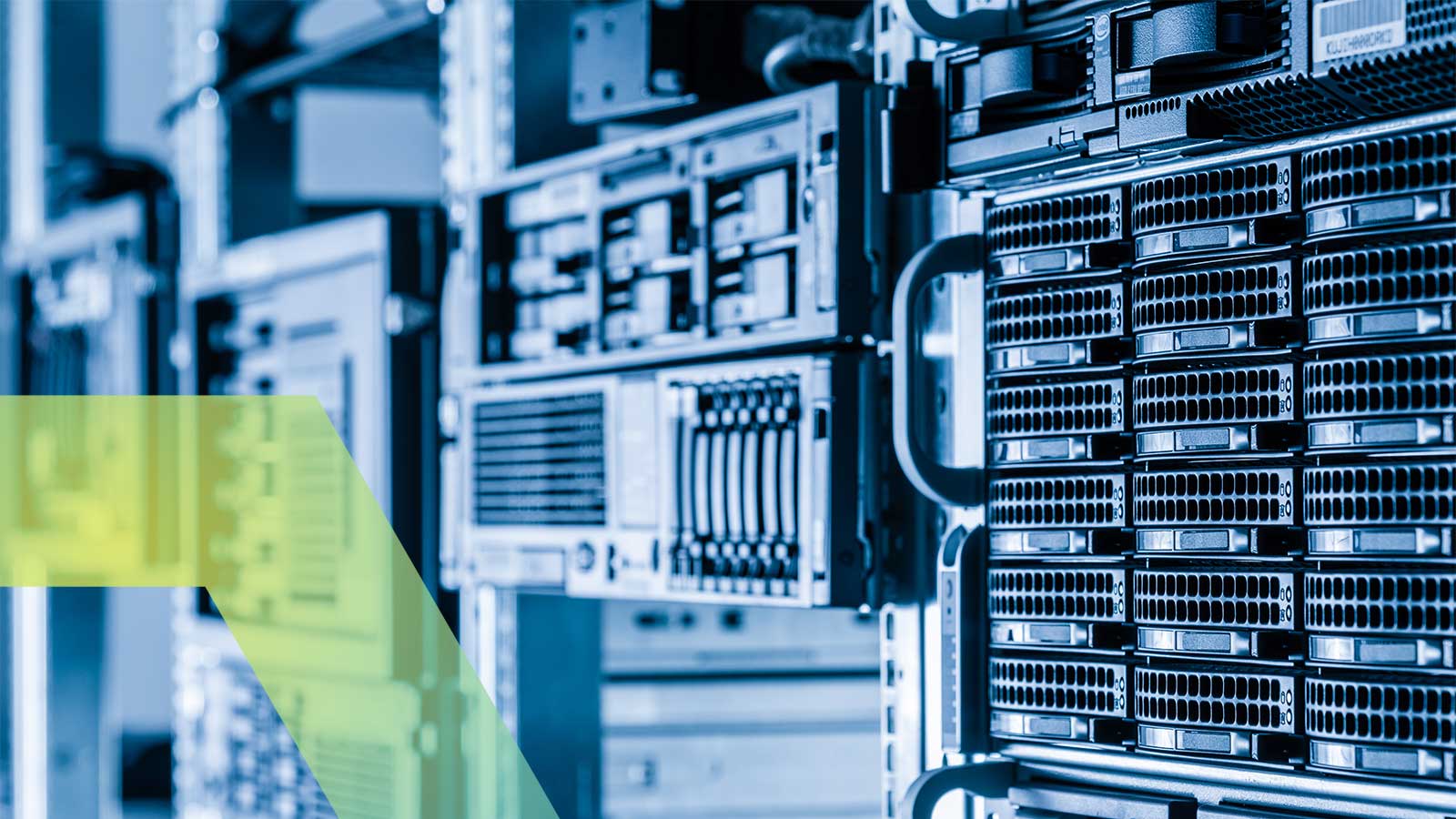
Die Verwaltung von File-Servern bleibt eine Herausforderung. Best Practices helfen, den Zugriff sicher zu gestalten.
File-Server sind nach wie vor ein zentraler Bestandteil vieler IT-Umgebungen. Trotz der zunehmenden Digitalisierung und der Verlagerung in die Cloud bleibt die Notwendigkeit, lokale Daten sicher zu verwalten, bestehen. Die Verwaltung von Zugriffsrechten kann jedoch komplex werden, insbesondere wenn die Berechtigungen im Laufe der Zeit anwachsen. Um die Sicherheit zu gewährleisten, ist es entscheidend, bewährte Methoden zur Verwaltung von File-Servern zu implementieren.
Best Practices für die Verwaltung von File-Servern
Eine der effektivsten Methoden zur Sicherstellung einer sicheren Verwaltung von File-Servern ist die Implementierung des Prinzips der minimalen Berechtigung. Dieses Prinzip besagt, dass Benutzer nur die Zugriffsrechte erhalten sollten, die sie für ihre Arbeit benötigen. Durch die Reduzierung der Berechtigungen auf das notwendige Minimum wird das Risiko von Datenmissbrauch und unbefugtem Zugriff erheblich verringert.
Ein weiterer wichtiger Aspekt ist die regelmäßige Überprüfung und Aktualisierung der Zugriffsrechte. In vielen Organisationen ändern sich die Rollen und Verantwortlichkeiten der Mitarbeiter häufig. Daher ist es unerlässlich, die Berechtigungen regelmäßig zu überprüfen und anzupassen, um sicherzustellen, dass nur autorisierte Benutzer Zugriff auf sensible Daten haben. Diese Überprüfungen sollten mindestens einmal jährlich durchgeführt werden.
Die Verwendung von automatisierten Tools zur Verwaltung von Berechtigungen kann ebenfalls zur Sicherheit beitragen. Solche Tools ermöglichen es IT-Administratoren, Berechtigungen effizient zu verwalten und zu überwachen. Sie bieten oft Funktionen zur Analyse von Berechtigungen und zur Identifizierung von potenziellen Sicherheitsrisiken. Durch den Einsatz solcher Technologien können Unternehmen die Komplexität der Verwaltung von File-Servern reduzieren.
Ein weiterer wichtiger Punkt ist die Schulung der Mitarbeiter in Bezug auf Sicherheitsrichtlinien und den sicheren Umgang mit Daten. Oftmals sind menschliche Fehler die Hauptursache für Sicherheitsvorfälle. Durch gezielte Schulungen können Mitarbeiter sensibilisiert werden, um potenzielle Risiken zu erkennen und zu vermeiden. Regelmäßige Schulungen sollten Teil des Sicherheitsprogramms eines Unternehmens sein.
Überwachung und Protokollierung
Die Überwachung von File-Servern ist ein weiterer kritischer Aspekt der Sicherheitsverwaltung. Durch die Implementierung von Überwachungs- und Protokollierungslösungen können Unternehmen verdächtige Aktivitäten in Echtzeit erkennen. Diese Systeme ermöglichen es, Zugriffsversuche zu protokollieren und bei ungewöhnlichen Aktivitäten sofort zu reagieren. Eine proaktive Überwachung kann dazu beitragen, Sicherheitsvorfälle frühzeitig zu identifizieren und zu verhindern.
Zusätzlich sollten Unternehmen sicherstellen, dass sie über einen klaren Notfallplan verfügen, um im Falle eines Sicherheitsvorfalls schnell reagieren zu können. Ein solcher Plan sollte die Schritte zur Identifizierung, Eindämmung und Wiederherstellung nach einem Vorfall umfassen. Die regelmäßige Überprüfung und Aktualisierung dieses Plans ist entscheidend, um sicherzustellen, dass er im Ernstfall effektiv ist.
Die Implementierung dieser Best Practices kann Unternehmen dabei helfen, die Sicherheit ihrer File-Server zu erhöhen und das Risiko von Datenverlust oder -missbrauch zu minimieren. Die kontinuierliche Anpassung an neue Bedrohungen und Technologien ist unerlässlich, um die Integrität und Vertraulichkeit von Daten zu gewährleisten. Die Verwaltung von File-Servern bleibt eine Herausforderung, die jedoch mit den richtigen Strategien und Tools bewältigt werden kann.
Ähnliche Artikel
Drupal behebt kritische Sicherheitslücke im Field UI
Drupal hat eine kritische Sicherheitsanfälligkeit im Field UI-Modul behoben, die Angreifern die Ausführung von Code auf ...

Hacker manipulieren Supermarkt-Kühlschränke
Hacker haben Kühlschränke in Supermärkten gehackt und die Temperaturen manipuliert, was zu erheblichen Schäden führt....
Starlink drosselt Drohnenverbindungen in der Ukraine
Starlink hat begonnen, die Verbindungen von ukrainischen Kampfdrohnen ab einer bestimmten Geschwindigkeit zu drosseln....
ESP32-Projekt bringt sicheren Chat auf Retro-Computer
Ein neues Projekt nutzt den ESP32, um Retro-Computer mit WLAN, MQTT und Verschlüsselung zu verbinden und so sicheren Cha...

comment Kommentare (0)
Noch keine Kommentare. Schreiben Sie den ersten!
Kommentar hinterlassen