





Memory crisis hits Android smartphone manufacturers
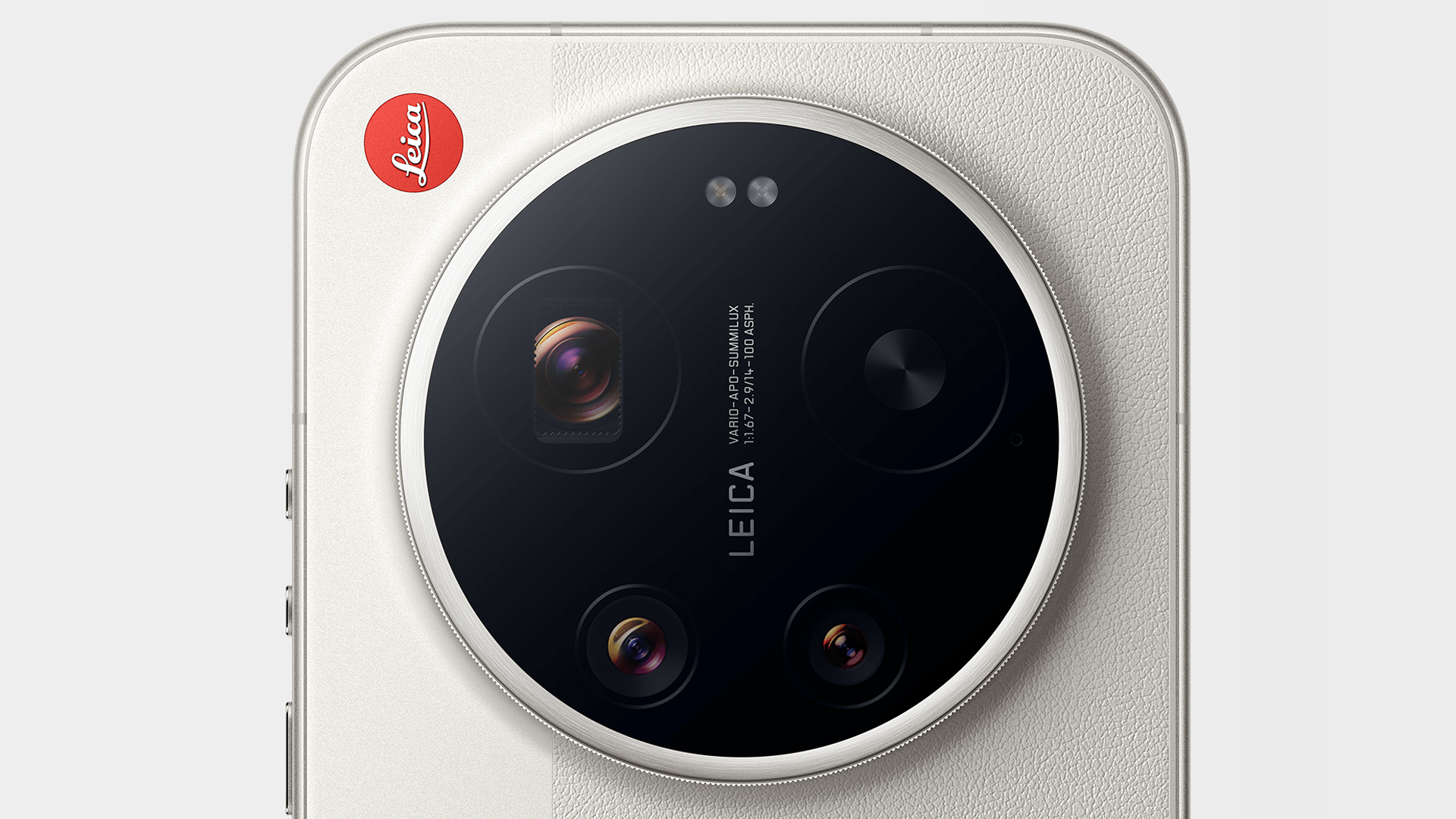
The memory crisis forces Android manufacturers to discontinue high-end smartphones. The impact on the market is significant.
The ongoing memory crisis has serious implications for the smartphone market, particularly for manufacturers of Android-based devices. Reports indicate that many of the often comparatively affordable high-end smartphones will not be continued for the time being. This development could significantly limit the product range of Android manufacturers and alter the competitive conditions in the market.
Memory prices have risen sharply in recent months, increasing production costs for smartphones. Manufacturers are forced to rethink their strategies to cope with the financial pressure. The decision not to continue certain models is a direct response to the rising costs of memory components.
Market Impact
The discontinuation of high-end smartphones could lead to consumers having fewer choices. Many users looking for powerful devices may feel compelled to switch to more expensive models or consider alternative brands. This could also slow down the pace of innovation in the Android segment, as manufacturers may have fewer resources available for developing new products.
Some analysts warn that the memory crisis not only has short-term effects but could also bring long-term consequences for the entire industry. If manufacturers are unable to offer competitive products, this could lead to a decline in sales figures. The uncertainty about the future price development of memory components exacerbates these concerns.
The situation is worsened by the fact that many consumers have become accustomed to the availability of powerful smartphones at affordable prices in recent years. The ability to purchase high-end devices at a comparatively low price has significantly invigorated the market for Android smartphones. However, with the current development, this picture could change rapidly.
Manufacturers' Reactions
Manufacturers of Android smartphones are responding differently to the memory crisis. Some companies have already announced plans to streamline their product lines and focus on fewer models. Others are trying to reduce production costs through innovative approaches and new technologies to remain competitive.
The uncertainty about the future development of memory prices also affects the planning of new products. Many manufacturers hesitate to develop new models as they are unsure whether they can offer them at a profitable price. This could lead to stagnation in the market for Android smartphones in the coming months.
The memory crisis also impacts the entire supply chain. Suppliers that manufacture memory components are also facing rising costs. This could lead to further price increases for end consumers, complicating the situation even more.
Developments in memory prices and their impact on the smartphone market are being closely monitored. The industry is facing a crucial phase where manufacturers' reactions and adaptability to the new conditions will be critical.
Ähnliche Artikel
Geekom A9 Max: Mini-PC with 4 TB SSD and 128 GB RAM
The Geekom A9 Max offers impressive upgrade options with up to 4 TB SSD and 128 GB RAM. Benchmarks reveal weaknesses of ...

New Fiber Optic Connectors for Data Centers
Innovative connectors enable higher density in data centers and increase efficiency....

Samsung presents 200 MP camera sensor for Galaxy S27
Samsung has introduced a new 200 MP camera sensor optimized for the Galaxy S27 Ultra, offering numerous technical improv...
Survey on Smart Home Appliances in Germany
A recent survey shows that German consumers are cautious about smart home appliances. Only one third use such technologi...

comment Kommentare (0)
Noch keine Kommentare. Schreiben Sie den ersten!
Kommentar hinterlassen