
Student entdeckt Meteoriten durch Schallwellen
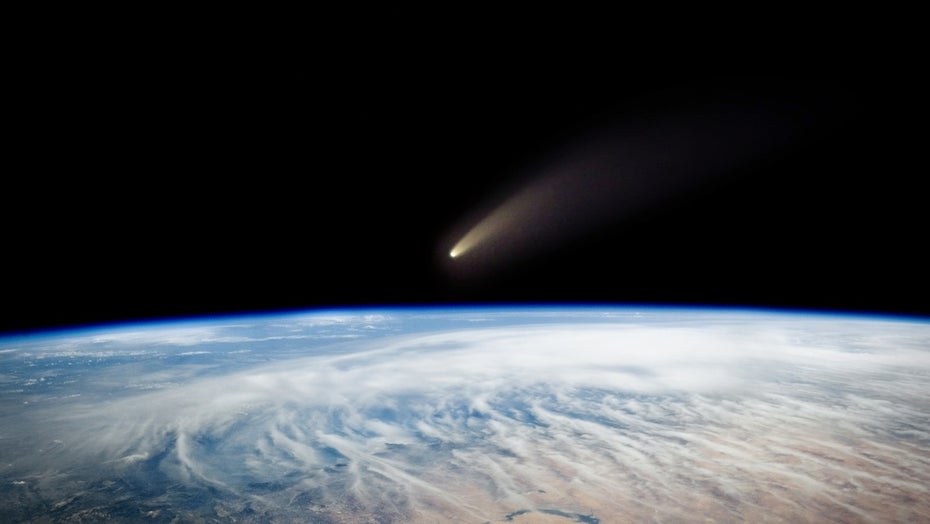
Ein US-Forschungsteam hat die Flugbahn eines Meteoriten erstmals durch Schallwellen und Bodenvibrationen zurückverfolgt.
Ein Student hat in den Messdaten seines Forschungsteams eine ungewöhnliche Welle entdeckt, die zur Identifizierung eines Meteoriten führte. Diese Entdeckung ist bemerkenswert, da sie eine neue Methode zur Verfolgung von Himmelskörpern darstellt. Das US-Forschungsteam konnte die Flugbahn des Meteoriten allein durch die Analyse von Schallwellen und Bodenvibrationen zurückverfolgen. Diese innovative Technik könnte die Art und Weise revolutionieren, wie Meteoriten in Zukunft lokalisiert werden.
Neue Methode zur Meteoritenverfolgung
Traditionell wurden Meteoriten durch visuelle Beobachtungen und Radartracking verfolgt. Die neue Methode, die auf akustischen Signalen basiert, eröffnet jedoch neue Möglichkeiten für die Forschung. Der Student, dessen Name nicht veröffentlicht wurde, bemerkte die seltsame Welle während seiner Analyse von seismischen Daten. Diese Welle war das Ergebnis des Eindringens des Meteoriten in die Erdatmosphäre und der damit verbundenen Druckwelle.
Das Forschungsteam, bestehend aus Geophysikern und Astronomen, arbeitete eng zusammen, um die Daten zu interpretieren. Sie verwendeten spezielle Algorithmen, um die Schallwellen zu analysieren und die genaue Flugbahn des Meteoriten zu rekonstruieren. Diese Methode könnte nicht nur für die Meteoritenforschung von Bedeutung sein, sondern auch für die Überwachung anderer Himmelskörper, die in die Erdatmosphäre eindringen.
Erste Erfolge und zukünftige Anwendungen
Die ersten Ergebnisse der Studie wurden in einer Fachzeitschrift veröffentlicht und haben bereits großes Interesse in der wissenschaftlichen Gemeinschaft geweckt. Die Forscher sind optimistisch, dass diese Technik auch bei zukünftigen Meteoritenereignissen angewendet werden kann. Die Möglichkeit, Meteoriten durch akustische Signale zu verfolgen, könnte auch dazu beitragen, potenzielle Gefahren für die Erde frühzeitig zu erkennen.
Die Entdeckung hat auch das Interesse von Raumfahrtorganisationen geweckt, die an der Überwachung von Asteroiden und anderen Himmelskörpern interessiert sind. Die Fähigkeit, die Flugbahn eines Meteoriten präzise zu bestimmen, könnte entscheidend sein, um mögliche Kollisionen mit der Erde zu verhindern. Das Forschungsteam plant bereits weitere Experimente, um die Methode weiter zu verfeinern und ihre Anwendbarkeit zu testen.
Die Entdeckung des Studenten und die darauf basierenden Forschungen könnten auch Auswirkungen auf die Ausbildung zukünftiger Wissenschaftler haben. Die Kombination von Geophysik und Astronomie in der Forschung könnte neue interdisziplinäre Studiengänge fördern. Dies könnte dazu beitragen, das Interesse an Naturwissenschaften zu steigern und mehr Studierende für diese Fachrichtungen zu gewinnen.
Die innovative Methode zur Meteoritenverfolgung zeigt, wie wichtig es ist, neue Technologien und Ansätze in der Wissenschaft zu erforschen. Die Entdeckung des Studenten ist ein Beispiel dafür, wie frische Perspektiven und kreative Ansätze zu bedeutenden Fortschritten führen können. Das Forschungsteam wird weiterhin an der Verbesserung dieser Technik arbeiten und hofft, bald weitere Erfolge zu erzielen.
Ähnliche Artikel

Teslas neuer Roadster mit Raketentechnik vorgestellt
Elon Musk kündigt außergewöhnliche Vorführung des neuen Roadsters an, der mit Raketentechnik ausgestattet sein soll....

Einstein-Idee durch Quantenforschung bestätigt
Ein internationales Forschungsteam hat eine 119 Jahre alte Idee von Einstein zur Verbindung von Quantenmechanik und Grav...
EU investiert in Raumfahrt: Milliardenpaket beschlossen
Auf dem International Space Summit in Paris hat die EU ein milliardenschweres Finanzpaket für die Raumfahrt vorgestellt,...

WLAN im Flugzeug: Technik und Kosten im Überblick
Internet im Flugzeug ist mittlerweile Standard. Hier sind die wichtigsten Informationen zu Kosten, Geschwindigkeit und T...

comment Kommentare (0)
Noch keine Kommentare. Schreiben Sie den ersten!
Kommentar hinterlassen