
U.S. Navy tests 3D printing for fighter jets
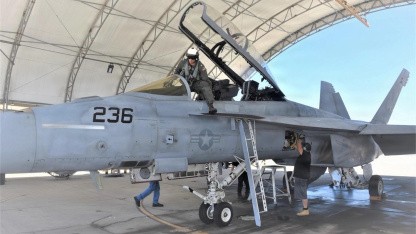
The U.S. Navy is developing an innovative 3D printing technique for the rapid repair of fighter jets on-site.
The U.S. Navy has developed a new procedure for the maintenance of combat aircraft based on 3D printing technology. This technique could significantly reduce repair times and increase the readiness of the aircraft. Instead of losing weeks in maintenance, damaged jets could be repaired directly at the deployment site in the future. This could be crucial, especially in crisis situations.
Innovative Technology for Aviation
The 3D printing technology allows for the rapid and efficient production of spare parts and components. This is achieved through the use of special printers that can process materials such as plastics and metals. The U.S. Navy is currently testing various printing methods to achieve the best results for the specific requirements of combat aircraft. The ability to print parts on-site could significantly simplify logistics.
Another advantage of this technology is the reduction of dependence on external suppliers. In the past, damaged parts often had to be sourced from far away, which took time and resources. With the new 3D printing technology, the Navy can produce the required parts themselves, which shortens response times and increases efficiency.
The tests by the U.S. Navy are part of a broader program to modernize the air forces. The integration of 3D printing technologies into military infrastructure could not only improve maintenance but also reduce costs. Experts estimate that the savings from using 3D-printed parts could be significant, as less inventory and transportation are required.
Practical Applications and Challenges
However, the practical application of 3D printing technology in aviation faces challenges. The materials used for printing must meet strict safety and quality standards. The U.S. Navy is working closely with materials scientists to ensure that the printed parts meet the high demands of the aviation industry. This includes tests for strength, durability, and temperature resistance of the materials.
Another aspect is the training of personnel who will work with the new technology. Technicians must be able to operate the 3D printers and monitor the quality of the produced parts. The Navy plans to develop special training programs to ensure that the personnel is well-prepared to effectively apply the new procedures.
The U.S. Navy sees 3D printing technology not only as a solution to current problems but also as a way to address future challenges in aviation. The ability to produce parts quickly and on-site could significantly improve the flexibility and responsiveness of the armed forces. The tests will continue in the coming months to further refine the technology and expand its applications.
The U.S. Navy has already achieved initial successes in testing 3D printing technology and plans to publish the results in the near future. The development of these innovative repair methods could have far-reaching implications for military aviation.
Ähnliche Artikel

Axis launches global shutter camera for traffic monitoring
The new AXIS P1486-LE camera offers improved image quality for traffic monitoring through global shutter technology....

Automotive industry fights against intelligence service reform
The automotive industry criticizes the access to telemetry data by intelligence services and warns against data retentio...

Windows 11 Update KB5121003 Causes Crashes
The Windows 11 Update KB5121003 is causing crashes and restarts for users. A problematic driver could be the cause....

New CRISPR Method Enables Sex Reversal in Mice
Scientists have developed an innovative CRISPR technique that allows for the removal of the Y chromosome in mice, creati...

comment Kommentare (0)
Noch keine Kommentare. Schreiben Sie den ersten!
Kommentar hinterlassen