

Survey on Smart Home Appliances in Germany
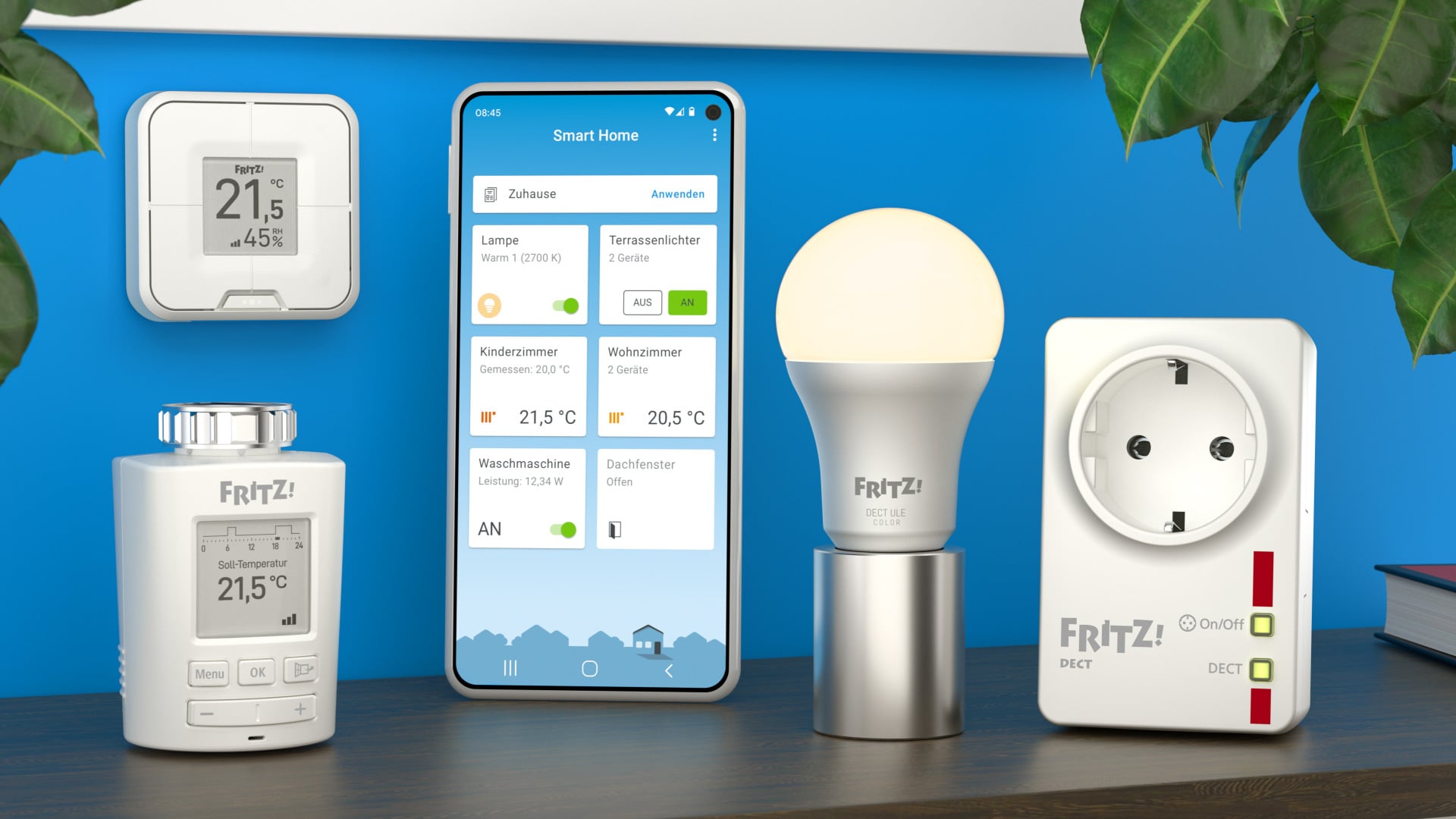
A recent survey shows that German consumers are cautious about smart home appliances. Only one third use such technologies.
A new survey by Statista Consumer Insights has revealed that the acceptance of smart home appliances in Germany is relatively low. Despite the ongoing digitalization and the increasing prevalence of smart technologies in many areas of life, German consumers are hesitant when it comes to purchasing such devices. In particular, devices like vacuum robots and smart microwaves have yet to make their way into many households.
Spread of Smart Technologies
The survey found that about one-third of respondents in Germany use at least one smart home appliance in their home. This includes a variety of devices aimed at making everyday life easier and increasing efficiency in the household. Nevertheless, the majority of consumers remain skeptical about integrating such technologies into their daily lives.
One reason for the reluctance could be the lack of trust in the security and data protection of smart devices. Many consumers express concerns regarding data security and the potential surveillance by these technologies. These worries could lead potential buyers to refrain from making a purchase.
Additionally, user-friendliness plays a crucial role. Some consumers find the operation of smart devices complicated or are unsure how to optimally integrate them into their daily lives. These uncertainties could also contribute to the slower adoption of smart home appliances in Germany than expected.
Market Development and Trends
While the market for smart home appliances is growing, it is not to the extent that many manufacturers had hoped. The survey shows that the demand for such devices has increased in recent years, yet many consumers remain undecided. Manufacturers face the challenge of clearly communicating the benefits of smart technologies while also addressing concerns about security and user-friendliness.
Another aspect influencing the spread of smart home appliances is pricing. Many consumers are willing to invest in innovative technologies, but only if they recognize the added value. The price-performance ratios must be right to achieve broader acceptance.
The survey also indicates that younger generations tend to be more open to smart technologies than older ones. This could suggest that over time, a natural acceptance of these devices will develop as technological affinity increases within the population as a whole.
The results of the survey highlight the importance for manufacturers of smart home appliances to take the needs and concerns of consumers seriously. Only through targeted education and the development of user-friendly products can broader acceptance be achieved. The challenge lies in clearly communicating the benefits of smart technologies while also addressing consumer concerns.
Currently, about 33 percent of respondents in Germany use smart home appliances, indicating potential for further growth in this market.
Ähnliche Artikel

New Fiber Optic Connectors for Data Centers
Innovative connectors enable higher density in data centers and increase efficiency....
Samsung presents 200 MP camera sensor for Galaxy S27
Samsung has introduced a new 200 MP camera sensor optimized for the Galaxy S27 Ultra, offering numerous technical improv...
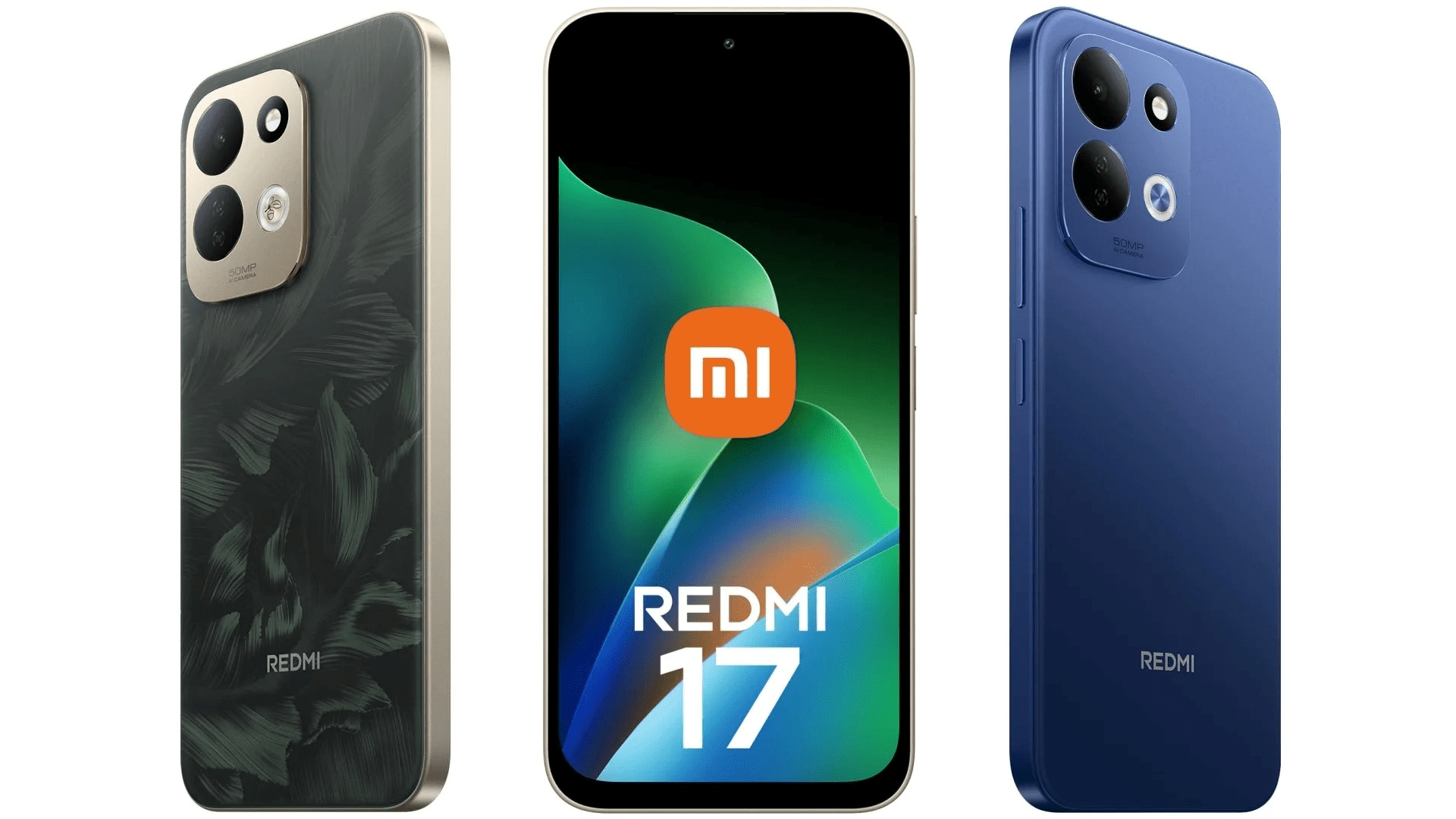
Xiaomi Redmi 17: Price Increase in Low-End Smartphones
Xiaomi announces the Redmi 17, which is priced over 200 euros. A trend that affects smartphone prices in the low-end seg...
Garmin presents new fitness tracker Cirqa
Garmin has introduced the new fitness tracker Cirqa, which operates without a display and has a single button....

comment Kommentare (0)
Noch keine Kommentare. Schreiben Sie den ersten!
Kommentar hinterlassen