
Switching from Windows to Linux: A Guide

More and more users in Germany are switching from Windows to Linux. A workshop shows how to make the transition in twelve steps.
Almost every second PC in Germany was still running Windows 10 until recently. However, since October 2025, no free security updates are available for this operating system. This has prompted many users to look for alternatives. One of the most frequently mentioned options is Linux, which presents itself as a mature and flexible solution.
The switch to Linux in twelve steps
A workshop offers a detailed guide on how to successfully transition to Linux. The first step is to create a complete backup of all important data. This is crucial to avoid data loss during the transition. Users should ensure that all personal files, documents, and settings are backed up.
The next step is to choose the right Linux distribution. There are numerous distributions that differ in functionality and user-friendliness. The choice depends on the individual needs and technical know-how of the user. Popular distributions include Ubuntu, Fedora, and Debian.
After selecting the distribution, the installation follows. This process can vary depending on the distribution, but is generally well documented. Users should ensure that they carefully follow the installation instructions to ensure a smooth installation. In many cases, Linux can also be installed alongside Windows, allowing for a smooth transition.
Data encryption and software migration
Another important aspect of the transition is data encryption. Many Linux distributions offer built-in encryption options that allow users to protect their data. This is especially important for users who store or process sensitive information. Encryption can be set up during installation or afterward.
Software migration is another step that should be carefully planned. Users need to check which applications they are currently using and whether there are corresponding alternatives for Linux. Many common programs are also available for Linux, while others may need to be replaced with open-source alternatives. Migration can be a challenge, but it is an essential part of the transition.
Finally, the rollout strategy is crucial for a successful transition. Users should create a clear plan that outlines the steps for fully integrating Linux into their workflow. This may include training employees, adjusting workflows, and setting up support options. A well-thought-out rollout can help increase the acceptance of Linux and minimize potential issues.
The demand for Linux as an alternative to Windows is steadily growing, especially since the end of free security updates for Windows 10. More and more users in Germany are choosing this transition to benefit from the advantages of an open and customizable operating system.
Ähnliche Artikel

Coldcard Wallet Security Flaw Leads to Bitcoin Theft
A security flaw in the Coldcard hardware wallet has resulted in the theft of over 1,000 Bitcoin, amounting to approximat...

US Citizen in Court Over Custom ROM Feature
A US citizen is in court after using a security feature of his smartphone that deleted all data during a border check....
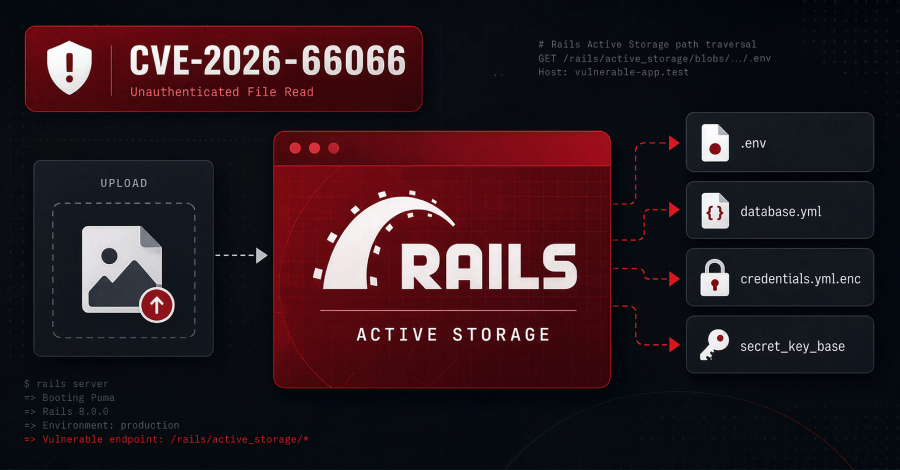
Critical Security Vulnerability Discovered in Ruby on Rails
A new security vulnerability in Ruby on Rails allows attackers to gain unauthorized access to server files. Updates are ...
Brinks Home Victim of a Hacker Attack
Brinks Home has reported a security incident in which hackers stole data and are threatening to publish it....

comment Kommentare (0)
Noch keine Kommentare. Schreiben Sie den ersten!
Kommentar hinterlassen