
USA verbieten Importe humanoider Roboter
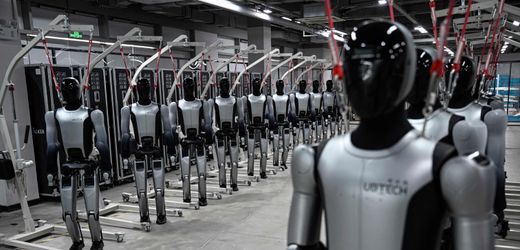
Die US-Regierung hat den Import humanoider Roboter aus dem Ausland verboten, um nationale Sicherheitsinteressen zu wahren.
Die US-Regierung hat am 31. Juli 2026 ein umfassendes Verbot für den Import humanoider Roboter aus dem Ausland erlassen. Dieses Verbot ist Teil einer breiteren Strategie zur Wahrung der nationalen Sicherheit und soll verhindern, dass fortschrittliche Technologien in die Hände potenzieller Gegner gelangen. Die Entscheidung wurde von verschiedenen Regierungsbehörden, einschließlich des Handelsministeriums und des Verteidigungsministeriums, unterstützt.
Das Verbot betrifft nicht nur humanoide Roboter, sondern auch wichtige Solarhardware, die für die Entwicklung erneuerbarer Energien in den USA von Bedeutung ist. Die Regierung argumentiert, dass der Import solcher Technologien aus dem Ausland Risiken birgt, die die nationale Sicherheit gefährden könnten. Diese Maßnahmen sind Teil eines umfassenderen Ansatzes, um die technologische Unabhängigkeit der USA zu stärken.
Reaktionen auf das Importverbot
Die Entscheidung, den Import humanoider Roboter zu verbieten, hat in der Technologie- und Robotikbranche gemischte Reaktionen hervorgerufen. Einige Unternehmen und Experten befürchten, dass dies die Innovationskraft in den USA beeinträchtigen könnte. Sie argumentieren, dass der Zugang zu internationalen Märkten und Technologien entscheidend für die Wettbewerbsfähigkeit der US-Industrie ist.
Auf der anderen Seite unterstützen Sicherheitsanalysten das Verbot und betonen die Notwendigkeit, potenzielle Bedrohungen durch ausländische Akteure zu minimieren. Sie weisen darauf hin, dass humanoide Roboter in der Lage sind, sensible Daten zu sammeln und zu verarbeiten, was in den falschen Händen zu ernsthaften Sicherheitsrisiken führen könnte. Die Regierung hat betont, dass die Sicherheit der Bürger an erster Stelle steht.
Die neuen Regelungen erfordern, dass Unternehmen, die humanoide Roboter oder relevante Technologien importieren möchten, eine Ausnahmegenehmigung beantragen müssen. Dieser Prozess könnte sich als langwierig und komplex erweisen, was die Pläne vieler Unternehmen zur Expansion und Entwicklung neuer Produkte beeinträchtigen könnte. Die Regierung hat jedoch erklärt, dass sie bereit ist, Ausnahmen für bestimmte Anwendungen zu prüfen, die im nationalen Interesse liegen.
Auswirkungen auf die Solarindustrie
Das Verbot betrifft auch die Solarindustrie, die auf bestimmte Technologien angewiesen ist, die möglicherweise aus dem Ausland importiert werden müssen. Experten warnen, dass dies die Bemühungen der USA zur Förderung erneuerbarer Energien behindern könnte. Die Solarhardware, die unter das Verbot fällt, ist entscheidend für die Effizienz und Kosteneffektivität von Solaranlagen.
Die Solarbranche hat bereits auf die neuen Regelungen reagiert und fordert von der Regierung eine Überprüfung der Entscheidung. Branchenvertreter argumentieren, dass der Zugang zu internationalen Märkten für die Entwicklung neuer Technologien und die Senkung der Produktionskosten unerlässlich ist. Sie befürchten, dass das Verbot die Preise für Solarprodukte in den USA erhöhen könnte, was die Akzeptanz erneuerbarer Energien behindern würde.
Die US-Regierung hat angekündigt, dass sie die Auswirkungen des Verbots auf die verschiedenen betroffenen Industrien genau beobachten wird. Es bleibt abzuwarten, wie sich die Situation entwickeln wird und ob es zu weiteren Anpassungen der Regelungen kommen wird. Die Diskussion über nationale Sicherheit und technologische Unabhängigkeit wird in den kommenden Monaten voraussichtlich an Intensität gewinnen.
Das Verbot humanoider Roboter und relevanter Technologien ist Teil einer wachsenden globalen Debatte über die Kontrolle und Regulierung fortschrittlicher Technologien. Viele Länder stehen vor ähnlichen Herausforderungen und müssen abwägen, wie sie Innovationen fördern und gleichzeitig die nationale Sicherheit gewährleisten können.
Ähnliche Artikel

Windows 11 erhält Notfall-Patch für kritische Fehler
Microsoft veröffentlicht Notfall-Patch für Windows 11, um Probleme mit Remote-Desktop-Diensten und Audiogeräten zu beheb...
Datenschutzbeauftragter warnt vor Metas Smart Glasses
Die Nutzung von Metas Smart Glasses steht in der Kritik, da sie rechtliche Bedenken aufwerfen. Datenschutzexperten warne...
Zunahme von KI-Alerts in Sicherheitszentren
Im Jahr 2026 zeigen Sicherheitszentren einen Anstieg von KI-Alerts, die durch den Einsatz von KI-Tools in Unternehmen au...
GitLab veröffentlicht kritische Sicherheitsupdates
GitLab hat mehrere Sicherheitsanfälligkeiten behoben, darunter eine schwerwiegende Schwachstelle mit CVSS 10.0, die bere...

comment Kommentare (0)
Noch keine Kommentare. Schreiben Sie den ersten!
Kommentar hinterlassen