






Waymo und die Herausforderungen in New York
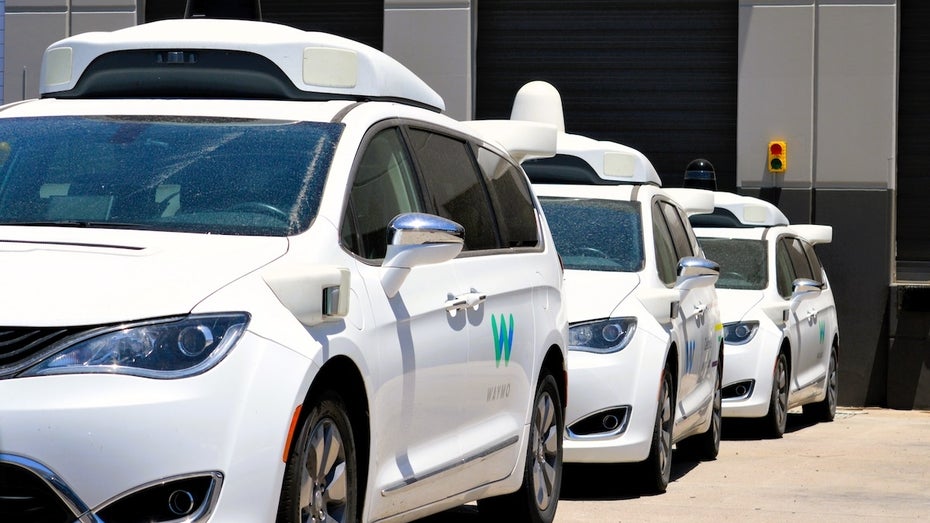
Waymo expandiert mit Robotaxis, doch New York bleibt eine Herausforderung. Politische Entscheidungen behindern die Zulassung.
Waymo, das Unternehmen für autonome Fahrzeuge, hat in den letzten Jahren bedeutende Fortschritte bei der Einführung seiner Robotaxis in mehreren US-Städten gemacht. Diese fahrerlosen Taxis sind mittlerweile ein vertrauter Anblick in Städten wie San Francisco und Phoenix. Trotz dieser Erfolge steht die Expansion in New York City vor erheblichen Hürden. Die Politik der Stadt hat sich bislang gegen die Zulassung von Robotaxis ausgesprochen, was die Pläne von Waymo erheblich beeinträchtigt.
Die Gründe für die ablehnende Haltung der New Yorker Politik sind vielfältig. Ein zentraler Aspekt ist die Sorge um die Sicherheit der Fahrgäste und Fußgänger. Die Stadt hat eine lange Geschichte im Umgang mit Verkehrssicherheit und möchte sicherstellen, dass die Einführung autonomer Fahrzeuge keine zusätzlichen Risiken mit sich bringt. Diese Bedenken werden von verschiedenen Interessengruppen, einschließlich der Taxi- und Fahrdienstbranche, unterstützt, die um ihre Arbeitsplätze fürchten.
Politische Unterstützung für menschliche Fahrer
Die New Yorker Stadtverwaltung hat sich klar positioniert und zeigt eine deutliche Präferenz für menschliche Fahrer. Diese Entscheidung ist nicht nur eine Reaktion auf Sicherheitsbedenken, sondern auch auf den Druck von Gewerkschaften und anderen Organisationen, die die Rechte der Fahrer schützen wollen. Die menschlichen Fahrer:innen argumentieren, dass ihre Erfahrung und ihr Urteilsvermögen in komplexen Verkehrssituationen unverzichtbar sind, was die Akzeptanz von Robotaxis weiter erschwert.
Waymo hat jedoch nicht aufgegeben und plant, weiterhin in anderen Städten zu expandieren. Das Unternehmen hat bereits erfolgreich Testläufe in verschiedenen Regionen durchgeführt und arbeitet daran, die Technologie weiter zu verbessern. Die Herausforderungen in New York könnten als Ansporn dienen, um die Akzeptanz in anderen Städten zu erhöhen und möglicherweise neue Ansätze zur Integration autonomer Fahrzeuge in den urbanen Verkehr zu entwickeln.
Die Diskussion um die Zulassung von Robotaxis in New York ist Teil eines größeren Trends, der sich in vielen Städten weltweit abzeichnet. Während einige Städte die Technologie schnell annehmen, zeigen andere eine zurückhaltende Haltung. Diese unterschiedlichen Ansätze spiegeln die unterschiedlichen Prioritäten und Herausforderungen wider, mit denen Städte konfrontiert sind, wenn es um den Verkehr der Zukunft geht.
Technologische Entwicklungen und öffentliche Meinung
Technologische Fortschritte im Bereich der autonomen Fahrzeuge haben in den letzten Jahren rasant zugenommen. Unternehmen wie Waymo investieren erhebliche Mittel in Forschung und Entwicklung, um die Sicherheit und Effizienz ihrer Fahrzeuge zu gewährleisten. Dennoch bleibt die öffentliche Meinung ein entscheidender Faktor für die Akzeptanz dieser Technologien. Umfragen zeigen, dass viele Menschen Bedenken hinsichtlich der Sicherheit autonomer Fahrzeuge haben, was die politischen Entscheidungsträger unter Druck setzt, vorsichtig zu handeln.
Die Debatte über Robotaxis in New York ist auch ein Spiegelbild der breiteren Diskussion über die Zukunft des Verkehrs. Während einige Städte innovative Lösungen suchen, um den Verkehr zu entlasten und die Umwelt zu schützen, sind andere vorsichtiger und setzen auf bewährte Modelle. Diese unterschiedlichen Ansätze könnten langfristig die Entwicklung von Verkehrssystemen in urbanen Räumen prägen.
Waymo bleibt optimistisch und sieht in der Technologie das Potenzial, den urbanen Verkehr zu revolutionieren. Die Herausforderungen in New York sind jedoch ein deutliches Zeichen dafür, dass die Einführung autonomer Fahrzeuge nicht nur von technologischen Fortschritten abhängt, sondern auch von politischen Entscheidungen und der Akzeptanz in der Gesellschaft. Die nächsten Schritte von Waymo werden entscheidend sein, um die Zukunft der Robotaxis in den USA zu gestalten.
Ähnliche Artikel

Google präsentiert die Pixel 11-Smartphones
Die neue Pixel 11-Familie von Google bringt zahlreiche technische Upgrades und neue Modelle auf den Markt....

Gleichstromnetze: Zukunft der Energieversorgung
Gleichstromnetze gewinnen durch Digitalisierung und erneuerbare Energien an Bedeutung. Neue Technologien unterstützen de...

Googles Pixel-11-Serie: Kleine Updates, hohe Preise
Die neue Pixel-11-Serie von Google bringt nur wenige Neuerungen und höhere Preise für die Modelle. Die günstigeren Varia...

EU-Kommissarin kritisiert Tech-Riesen für Migrationskrise
Henna Virkkunen macht Meta und TikTok für die Migrationskrise verantwortlich. Falschinformationen hätten zur Grenzüberqu...

comment Kommentare (0)
Noch keine Kommentare. Schreiben Sie den ersten!
Kommentar hinterlassen