
Meciul de optimi al CM generează trafic record pe internet
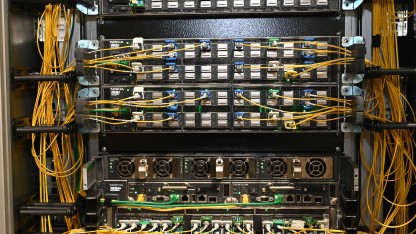
Meciul de optimi al CM a crescut traficul pe internet la 29,5 TBit/s, ceea ce reprezintă un record istoric pentru DE-CIX.
Ziua de ieri va intra în cărțile de istorie, deoarece meciul din optimile de finală ale Campionatului Mondial de Fotbal a adus operatorului de noduri de internet DE-CIX un nou record. Cu un trafic de date impresionant de 29,5 terabiți pe secundă (TBit/s), s-a atins un maxim istoric. Acest record subliniază importanța imensă a transmisiunilor live pentru infrastructura internetului.
DE-CIX, cel mai mare nod de internet din lume, a câștigat în mod constant importanță în ultimii ani. Creșterea utilizării serviciilor de streaming și a platformelor online a dus la o creștere continuă a traficului de date în orele de vârf. Meciul de ieri de la CM a dus această tendință la un nou nivel și arată cum evenimentele sportive influențează lumea digitală.
Influența Campionatului Mondial de Fotbal asupra utilizării internetului
Campionatul Mondial de Fotbal atrage milioane de spectatori din întreaga lume, iar cererea pentru transmisiuni live este enormă. Meciurile sunt transmise nu doar la televizor, ci și prin diverse platforme online, ceea ce duce la o creștere semnificativă a traficului de internet. DE-CIX a înregistrat în trecut deja recorduri similare în timpul marilor evenimente sportive, însă valoarea actuală de 29,5 TBit/s stabilește noi standarde.
Infrastructura tehnică care stă în spatele acestor recorduri este impresionantă. DE-CIX operează mai multe noduri care permit furnizorilor de internet să schimbe date eficient. Aceste noduri sunt esențiale pentru asigurarea unei conexiuni stabile și rapide la internet, în special în timpul marilor evenimente precum CM. Rata mare de date arată cât de importantă este o infrastructură performantă pentru societatea digitală.
Impactul creșterii traficului de date nu se limitează doar la furnizorii de internet. De asemenea, companiile care depind de serviciile de streaming beneficiază de cererea crescută. Advertiserii și sponsorii văd în numărul mare de spectatori o oportunitate de a-și prezenta produsele și serviciile unui public larg. Astfel, CM are nu doar dimensiuni sportive, ci și economice.
Provocări tehnologice și soluții
Odată cu creșterea traficului de date apar și provocări tehnice. Furnizorii de internet trebuie să se asigure că rețelele lor fac față cerințelor ridicate. DE-CIX a investit în ultimii ani în extinderea infrastructurii sale pentru a răspunde cerințelor în creștere. Aceste investiții sunt esențiale pentru a asigura în continuare o conexiune stabilă la internet în timpul marilor evenimente.
Reacția la traficul record de date a fost rapidă. Tehnicienii și inginerii au lucrat non-stop pentru a se asigura că toate sistemele funcționează fără probleme. Capacitatea de a procesa cantități mari de date în timp real este esențială pentru succesul transmisiunilor live. DE-CIX a dovedit că este capabil să ofere o performanță ridicată chiar și în orele de vârf.
Recordul de 29,5 TBit/s nu este doar un semn al popularității Campionatului Mondial de Fotbal, ci și al digitalizării în continuă expansiune a societății. Tot mai mulți oameni folosesc internetul pentru divertisment, comunicare și informații. Cererea în creștere pentru conexiuni rapide și fiabile la internet va continua să crească în următorii ani.
Campionatul Mondial de Fotbal 2026 se va desfășura în SUA, Canada și Mexic și se preconizează că va atrage și mai mulți spectatori. Experiențele din actualul turneu vor fi de mare importanță pentru planificarea și extinderea infrastructurii în anii următori. DE-CIX va continua să joace un rol central în furnizarea serviciilor de internet.
Ähnliche Artikel

Cloud Act: Centre de date și riscuri de reglementare
Dezbaterea despre Cloud Act se concentrează adesea pe centrele de date, în timp ce aspectele de reglementare importante ...
Kubermatic Virtualization 1.2: Funcții noi prezentate
Noua versiune 1.2 a Kubermatic Virtualization aduce actualizări importante, cum ar fi gestionarea drepturilor și o confi...
openVisavid: Soluția de videoconferință devine Open Source
Soluția de videoconferință Visavid este acum disponibilă ca Open Source, pentru a promova suveranitatea digitală....
Creșterea pieței centrelor de date în Spania
Spania atrage investiții în centre de date, în timp ce opoziția față de extindere crește....

comment Kommentare (0)
Noch keine Kommentare. Schreiben Sie den ersten!
Kommentar hinterlassen