
Android 17 introduces ECH for enhanced privacy
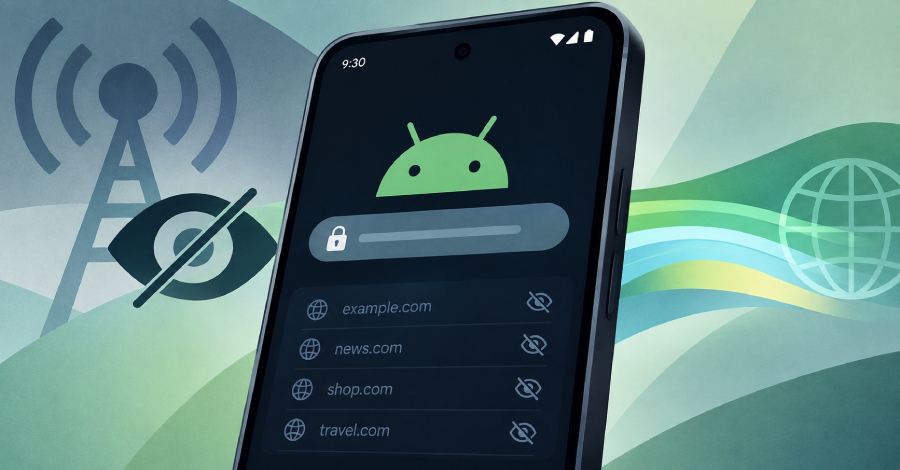
Google has introduced Encrypted Client Hello (ECH) in Android 17 to protect user privacy and improve network security.
Google announced on Thursday the introduction of new network security features in Android 17, aimed at increasing connection security and protecting user privacy. A key element of these new features is the support for Encrypted Client Hello (ECH), a privacy standard that makes it harder for networks to monitor the websites users visit.
The implementation of ECH is a significant step towards safer internet usage. By encrypting the Client Hello messages sent when establishing an HTTPS connection, it becomes nearly impossible for network providers and other third parties to identify the specific websites a user visits. This represents an important advancement in the field of network security.
Protection Against Network Surveillance
The introduction of ECH in Android 17 aims to safeguard user privacy, especially at a time when surveillance by network providers and other actors is increasingly coming into focus. With ECH, communication between the user and the server is better protected, as information about the visited websites is no longer transmitted in plaintext over the network.
In addition to ECH, Google has also integrated other security features in Android 17 that aim to address vulnerabilities in mobile networks. These new measures are designed to enhance user security in both public and private networks. The combination of these features provides a more comprehensive protection for Android users.
The support for ECH is not only significant for user privacy but could also impact how advertisers and other companies collect data. Since the specific websites a user visits can no longer be easily determined, this could limit opportunities for targeted advertising and user behavior analysis.
Additional Security Improvements in Android 17
Besides the introduction of ECH, Google has also made other security improvements in Android 17. These include enhanced features for detecting malware and phishing attacks, as well as improved security protocols for data transmission. These measures are intended to ensure that users of Android devices are better protected against threats.
The new features in Android 17 are part of Google's ongoing efforts to improve the security and privacy of its users. With the increasing importance of data protection in the digital world, such measures are expected to be positively received by users. The implementation of ECH is an example of how technology companies are responding to growing privacy concerns.
Android 17 is expected to be available for a variety of devices in the coming months. Users can look forward to enhanced security and privacy enabled by the new features and standards. The introduction of ECH is a significant step in the right direction for internet security.
Ähnliche Artikel

Efficient Document Digitization in 2026
The digitization of document collections requires precise planning and implementation to avoid data loss and security ga...

PaperCut NG and MF affected by zero-day attacks
PaperCut warns of active attacks on its software versions NG and MF. An emergency patch has been released....

Security risk from mobile phone calls in Germany
A report shows that German providers are exposing sensitive data of their customers through phone calls. The Office for ...

Berlin fights back against extortion by hackers
The Berlin state government has resisted the extortion attempts by hackers who stole data from the state network....

comment Kommentare (0)
Noch keine Kommentare. Schreiben Sie den ersten!
Kommentar hinterlassen